
In this article, you will find comprehensive information about overlooked toxins in hamster nutrition and lifesaving nutritional secrets that are critical for your hamster's health.


Discover the neurobiological signals of hidden stress your newly adopted cat experiences during adaptation to a new social environment. This article reveals 5 insidious signs of your cat's silent struggle and scientific strategies for peaceful, long-term harmony.

Your dog's anal sacs, located beneath the tail, can be hidden alarm bells often overlooked but profoundly affecting their quality of life. In this article, you will discover the 5 insidious neurobiological effects of anal sac problems on the brain and the lifesaving care secrets you need to know for your furry friend to live a peaceful life.
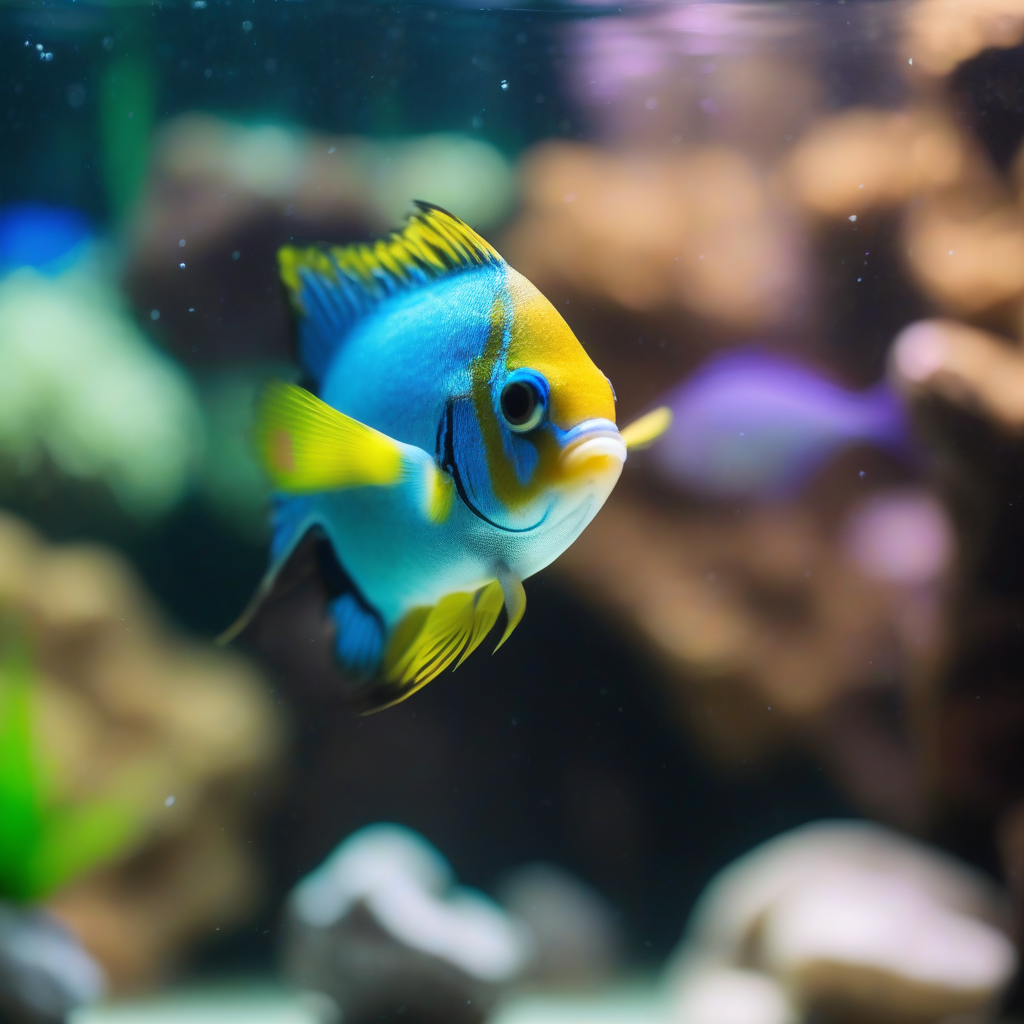
In this article, you will find comprehensive information on the insidious neurotoxic effects of heavy metal poisoning in aquarium fish, its symptoms, and lifesaving emergency intervention codes. This condition, which can arise from household water sources, improper equipment, or neglect, can severely threaten your fish's quality of life and lifespan.
While hamsters are our tiny and cute companions, they are extremely sensitive when it comes to their diet. The general knowledge we possess may be sufficient to meet their basic needs, but the 'hidden poisoning traps' in their diet and the 'lifesaving nutritional secrets' to overcome these traps are often overlooked. In this article, we will delve into the potentially dangerous dietary risks for your hamster that you may not be aware of, and the scientific ways to protect them.
Although there are specially formulated foods for hamsters, some foods accidentally or due to lack of knowledge can lead to serious health problems. These 'hidden enemies' are often seemingly innocent substances that can be fatal to a hamster's sensitive digestive system.
Many snacks that are enjoyable for humans pose a significant danger to hamsters. Particularly salty crackers, biscuits, and sweets can overload a hamster's kidneys, leading to kidney failure and other severe metabolic diseases. It is important to understand how vulnerable hamsters are to the devastating effects of salt and sugar, much like the toxins mentioned in your dog's hidden poisoning danger: 5 lethal toxins to recognize in seconds and lifesaving first aid secrets (March 2026).
In addition to commonly known toxic foods like apple seeds, almonds, avocados, onions, and garlic, the seeds of some fruits and vegetables or their excessive consumption can also be risky for hamsters. For instance, an excess of fruit sugar can lead to fermentation in the digestive system, causing diarrhea and bloating. In hamsters with a sensitive digestive system, this can trigger infections as severe as those discussed in your hamster's deadly enemy 'wet tail': silent symptoms, lifesaving 24 hours, and emergency intervention secrets.
Pesticides and other chemical residues on non-organic fruits and vegetables can be fatal to hamsters. Since these tiny creatures chew their food more, they are exposed to these chemicals to a greater extent. Therefore, when offering fresh vegetables or fruits to your hamster, you must wash them thoroughly and, if possible, choose organic options.
To ensure your hamster's health and longevity, there are certain scientific 'secrets' to consider in their diet. These secrets go beyond general food choices and take into account their natural needs and physiology.
The dietary needs of each hamster species (Syrian, Dwarf, Roborovski, etc.) can vary slightly. Generally, high-quality, specially formulated hamster foods with balanced protein, fat, and fiber content should be preferred. The feed should contain sources of protein like soybean meal, in addition to grains such as wheat, millet, and oats. As mentioned in your hamster's secret social codes by species: Syrian solitude, dwarf brotherhood, and Roborovski's secrets, species differences should not be overlooked in terms of nutrition.
Ensuring constant access to fresh and clean water is critical for your hamster's overall health. The water bottle or bowl should be cleaned regularly, and the water changed daily. Dehydration, especially in hot weather or during stressful periods, can lead to serious health problems. Our article titled your hamster's hidden dehydration danger: insidious symptoms and lifesaving hydration secrets highlights the importance of this issue.
In some cases, with your veterinarian's recommendation, your hamster may be given probiotics or other natural supplements. For instance, prebiotics and probiotics, as mentioned in your dog's gut microbiome: from silent inflammation to allergies, the scientific secrets of pre/probiotics (March 2026), can support digestive health in hamsters, just as they do in humans. However, the dosage and suitability of such supplements must be determined in consultation with a veterinarian.
Hamster teeth grow continuously. Therefore, providing safe chewing toys and natural foods that satisfy their chewing needs is vital for dental health. Content like your hamster's secret dental development revolution: you can't afford not to chew! overgrown tooth dangers and solutions (March 2026) illustrates how critical this is. Proper nutrition should also include fibrous foods that support this chewing instinct.
Your hamster's diet has a direct impact on its overall health, happiness, and longevity. Knowing about potential dietary pitfalls and applying lifesaving nutritional secrets will help protect your tiny friend from potential health problems. Remember, informed nutrition is the best form of 'preventive medicine.' Just as we mentioned in our article your hamster's 'secret habitat secrets': uncover the hidden world of rodents!, addressing nutrition as a whole, along with habitat arrangement, will maximize your hamster's well-being.
