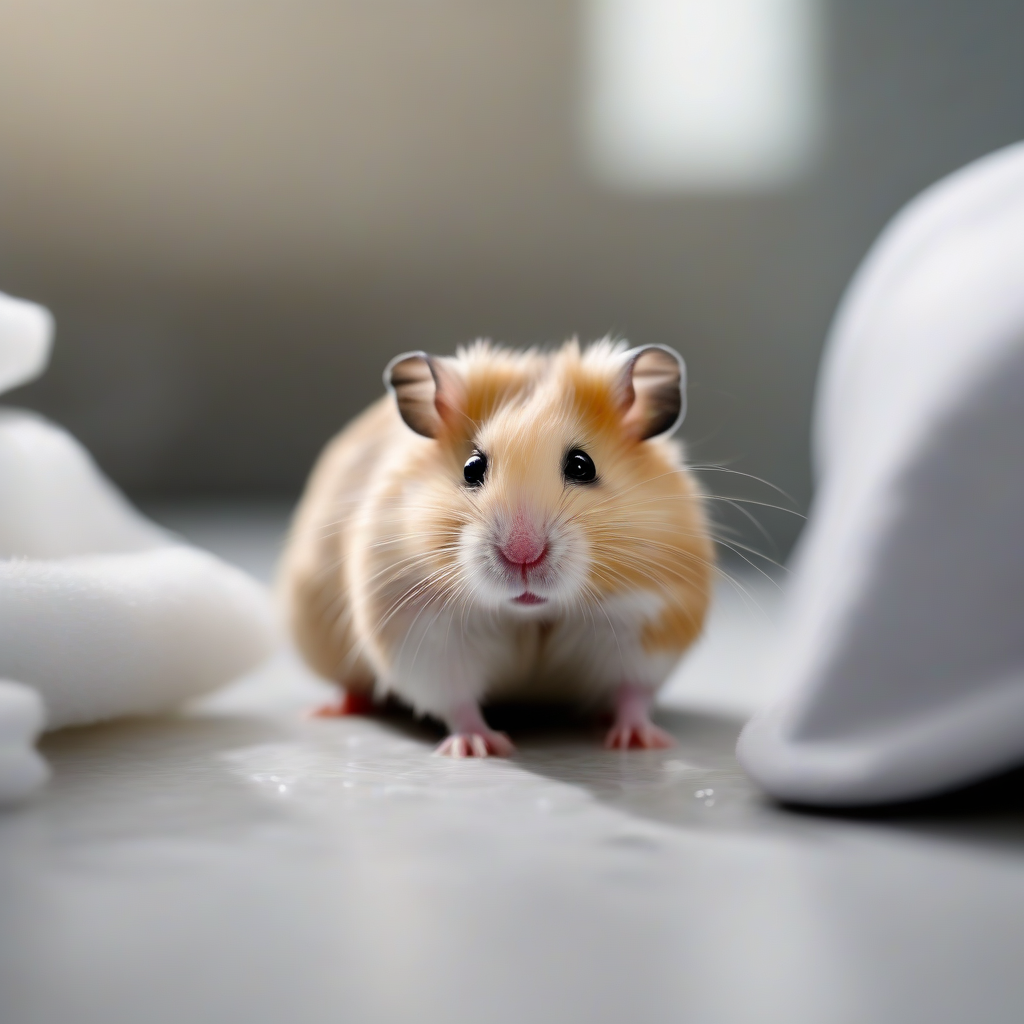
In this article, you will delve into the silent symptoms of 'Wet Tail' syndrome (Proliferative Ileitis), a rapidly fatal disease in hamsters, its critical 24-hour progression, and emergency intervention strategies that can save your tiny friend's life. Secure your hamster's health with prevention methods and proper care secrets.


Discover the neurobiological signals of hidden stress your newly adopted cat experiences during adaptation to a new social environment. This article reveals 5 insidious signs of your cat's silent struggle and scientific strategies for peaceful, long-term harmony.

Your dog's anal sacs, located beneath the tail, can be hidden alarm bells often overlooked but profoundly affecting their quality of life. In this article, you will discover the 5 insidious neurobiological effects of anal sac problems on the brain and the lifesaving care secrets you need to know for your furry friend to live a peaceful life.
In this article, you will find comprehensive information on the insidious neurotoxic effects of heavy metal poisoning in aquarium fish, its symptoms, and lifesaving emergency intervention codes. This condition, which can arise from household water sources, improper equipment, or neglect, can severely threaten your fish's quality of life and lifespan.
Our little friends, hamsters, bring joy and vitality to our homes. However, due to their nature, they are unfortunately highly susceptible to certain diseases. Foremost among these is 'Wet Tail' (also known as Proliferative Ileitis), a condition that is often fatal and a race against time. As of March 2026, this syndrome is one of the most critical topics for veterinarians and researchers alike, a nightmare for hamster owners. So, how do you combat this deadly enemy, what are its silent symptoms, and most importantly, what should you do within those critical 24 hours to save a life?
Wet Tail is an acute intestinal infection affecting hamsters, typically caused by the bacterium Lawsonia intracellularis. The disease's name comes from its most prominent symptom: a constantly wet and soiled tail area. However, this is merely a surface indicator. The disease rapidly progresses, leading to intestinal inflammation, severe diarrhea, dehydration, and electrolyte imbalance. If left untreated or if intervention is delayed, it can cause the hamster to go into shock and lose its life within minutes. It is more common in young, stressed, or newly acquired hamsters.
The most dangerous aspect of Wet Tail is that before the obvious wet tail symptom appears, your hamster may show subtle changes in its behavior or general condition. Recognizing these 'silent symptoms' can be life-saving.
Is your hamster not as active as usual? Spending less time on the wheel, sleeping longer in its nest, or appearing unresponsive? This could be one of the first signs of the disease. Sudden lethargy in these normally high-energy creatures is a signal that should be taken seriously.
If your hamster's interest in its food bowl has decreased, or if it's not storing food in its cheek pouches, be vigilant. Loss of appetite quickly leads to weight loss, which, combined with dehydration, can be fatal for their small bodies. Regularly checking your hamster's weight will help you notice sudden drops.
Hamsters may exhibit a 'pain posture' by arching their backs when in discomfort. This can be a sign of abdominal pain or general malaise. They might also fluff up their fur or shiver constantly. Such physical changes are strong indicators of an internal problem.
Severe diarrhea causes rapid fluid loss from the body. A sudden increase in your hamster's water intake, or conversely, a complete refusal to drink, is also an alarming sign. Dehydration is one of the most urgent and dangerous consequences of Wet Tail. Our article, Your Hamster's Invisible Thirst Danger: Insidious Dehydration Symptoms and Lifesaving Hydration Secrets, details other signs of dehydration and how to intervene.
While hamsters are not typically social creatures, they are usually active and curious in their own space. If your hamster is unusually withdrawn, timid, or becomes aggressive when you approach it, this could be a sign of stress or pain. Our content on Your Hamster's Secret Emotional World: The Art of Breaking Behavioral Codes to Understand Their Silent Cries and Reduce Stress will help you decode the secrets behind behavioral changes.
Wet Tail can be fatal within hours. The moment you notice symptoms, acting without delay is crucial.
This is the most critical step. Do not attempt to treat it yourself. An experienced veterinarian will make an accurate diagnosis and administer antibiotic treatment, fluid therapy, and supportive care. Until you reach your vet, you can take the following precautions.
If you have multiple hamsters, immediately separate the sick one from the others. Remember that the disease is contagious. Move your sick hamster's cage to a warm, quiet, and dimly lit place. You can provide additional heat sources such as bedding or blankets to help maintain its body temperature.
Regular and meticulous cleaning of your hamster's living space plays a key role in preventing and controlling Wet Tail. Dirty cages can increase stress levels and provide a suitable environment for bacterial growth. Our article, Your Hamster's Invisible Shield: The Hidden Impact of Habitat on Microbiome and Secrets to Longevity, examines the effects of habitat on health in more detail.
Do not administer medication without veterinary approval. However, to prevent dehydration, and after consulting your veterinarian, electrolyte-containing solutions (e.g., diluted Pedialyte) or boiled, cooled water can be given little by little with a small syringe (without a needle). Mild, easily digestible foods (e.g., crushed oatmeal porridge, boiled rice) can also stimulate appetite.
Although Wet Tail is a nightmare for hamster owners, with early diagnosis and rapid intervention, you can save your tiny friend's life. Always be vigilant, observe behavioral changes, and consult your veterinarian at the slightest suspicion. Remember, knowledge and awareness are the greatest protectors of our little animal companions.
