
In this article, you will discover the invisible yet vital effects of your hamster's living space on its gut and skin microbiome, and learn scientific secrets to maximize your pet's health by maintaining this biological balance.


Discover the neurobiological signals of hidden stress your newly adopted cat experiences during adaptation to a new social environment. This article reveals 5 insidious signs of your cat's silent struggle and scientific strategies for peaceful, long-term harmony.

Your dog's anal sacs, located beneath the tail, can be hidden alarm bells often overlooked but profoundly affecting their quality of life. In this article, you will discover the 5 insidious neurobiological effects of anal sac problems on the brain and the lifesaving care secrets you need to know for your furry friend to live a peaceful life.
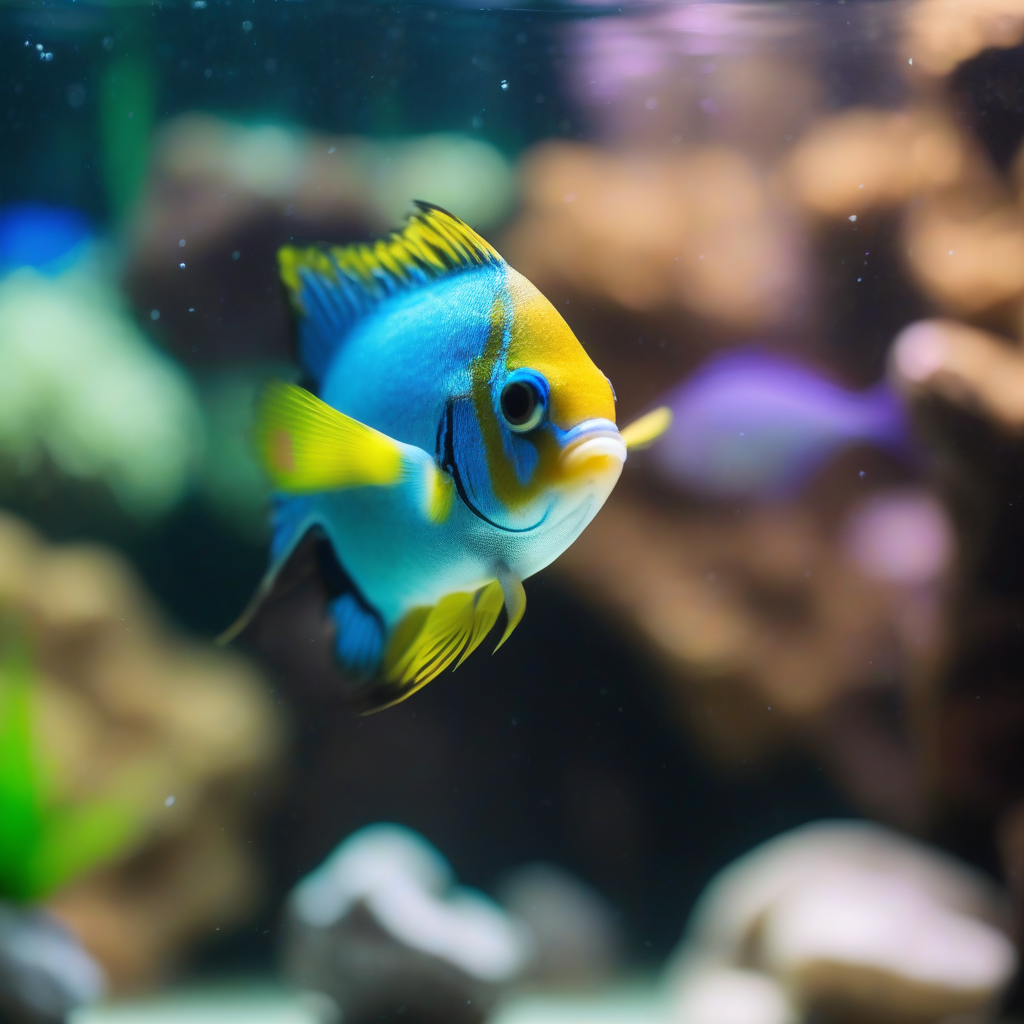
In this article, you will find comprehensive information on the insidious neurotoxic effects of heavy metal poisoning in aquarium fish, its symptoms, and lifesaving emergency intervention codes. This condition, which can arise from household water sources, improper equipment, or neglect, can severely threaten your fish's quality of life and lifespan.
Our tiny friends, hamsters, might appear to be creatures requiring simple living spaces. However, within their miniature worlds, a colossal, invisible biological ecosystem is in constant interaction: the microbiome. This unseen shield, which profoundly affects your hamster's health, immune system, and even mood, is largely shaped by its environment – its habitat. As of March 2026, recent advancements in veterinary science have shed clearer light on the critical role of habitat on the microbiome. In this article, we will decode this hidden connection and unveil the scientific secrets to ensure your tiny companion lives a long and healthy life.
The microbiome is the community of trillions of microorganisms living in and on an organism's body. These microscopic beings (bacteria, fungi, viruses, etc.) are found not only in the intestines but also on the skin, in the mouth, and respiratory tracts. For hamsters, the microbiome is a vital component influencing numerous physiological processes, from food digestion and vitamin production to protection against pathogens and proper immune system function. A healthy microbiome balance boosts resistance to diseases, while an imbalanced microbiome (dysbiosis) can lead to various health issues, ranging from digestive problems to allergies and even behavioral problems. Indeed, as highlighted in our article Overlooked Memory Loss in Cats: Silent Signals of Cognitive Decline in Your Aging Friend and Scientific Strategies to Improve Quality of Life, the importance of the microbiome is a cross-species reality.
Your hamster's cage is not just a shelter; it is also the center of its personal microbial universe. Environmental factors directly influence the microbial population within the cage and indirectly reflect on your hamster's microbiome.
Bedding is in constant contact with your hamster's feet, skin, and respiratory tracts. Its absorbency, dustiness, chemical content, and even smell determine the bacterial and fungal populations within the cage. For instance, high-dust bedding can irritate the respiratory tract, disrupting the respiratory microbiome, while insufficiently absorbent bedding can lead to ammonia buildup and the proliferation of harmful bacteria. This situation can pave the way not only for physical discomfort but also for systemic inflammation and disruption of the gut microbiome.
Cage cleaning is vital, but how it's done is equally critical. Over-sterilization can eliminate beneficial microorganisms in the cage, creating an 'empty' environment that allows pathogens to easily establish themselves. Residues from chemical cleaners can irritate your hamster's skin or digestive system, disrupting microbiome balance. Scientific research indicates that maintaining a healthy microbial diversity in the environments of companion animals is beneficial for their immune systems.
The humidity and temperature inside the cage can either create or inhibit ideal conditions for microbial growth. High humidity encourages the growth of fungi and certain bacterial species, while inadequate ventilation leads to the accumulation of ammonia and other volatile compounds. These environmental factors directly affect your hamster's respiratory health and skin barrier, altering the microbiome balance. Extreme temperatures, whether hot or cold, cause stress to the hamster, weakening its immune system and opening the door to microbiome disruption. Let's remember that, as mentioned in the article Your Hamster's Secret Emotional World: The Art of Breaking Behavioral Codes to Understand Their Silent Cries and Reduce Stress, stress has significant impacts on the overall health of animals.
Beyond the habitat, your hamster's diet and stress levels profoundly affect its microbiome. Inadequate or unbalanced nutrition can reduce the diversity of the gut microbiome. Similarly, as discussed in Your Hamster's Invisible Thirst Danger: Insidious Dehydration Symptoms and Lifesaving Hydration Secrets, dehydration can also negatively impact the digestive system and, consequently, the microbiome. Chronic stress can lead to the release of stress hormones like cortisol, disrupting the integrity of the intestinal barrier and causing a decrease in beneficial bacteria. Therefore, a comprehensive health approach must consider habitat, diet, and stress management as a whole.
Optimizing your hamster's living space to support its microbiome is crucial for long-term health and well-being. Here are strategies you can implement based on current findings in veterinary science:
Your hamster's living space is like a laboratory for its microbiome. Every bedding change, every cleaning routine, every environmental factor affects the trillions of microorganisms within this tiny creature's inner world. Understanding and supporting this invisible protective shield not only prevents physical illnesses but also enhances your hamster's overall well-being and quality of life. By optimizing your hamster's habitat with scientific approaches, you can provide it with a long, healthy, and happy life. Remember, every decision regarding pet health should be made with scientific knowledge and the guidance of your veterinarian.
