
In this article, you will find in-depth and scientific information about your hamster's habitat needs, burrow design, and enrichment methods. Learn how to design the best habitat for your hamster's happiness and health.


Discover the neurobiological signals of hidden stress your newly adopted cat experiences during adaptation to a new social environment. This article reveals 5 insidious signs of your cat's silent struggle and scientific strategies for peaceful, long-term harmony.

Your dog's anal sacs, located beneath the tail, can be hidden alarm bells often overlooked but profoundly affecting their quality of life. In this article, you will discover the 5 insidious neurobiological effects of anal sac problems on the brain and the lifesaving care secrets you need to know for your furry friend to live a peaceful life.
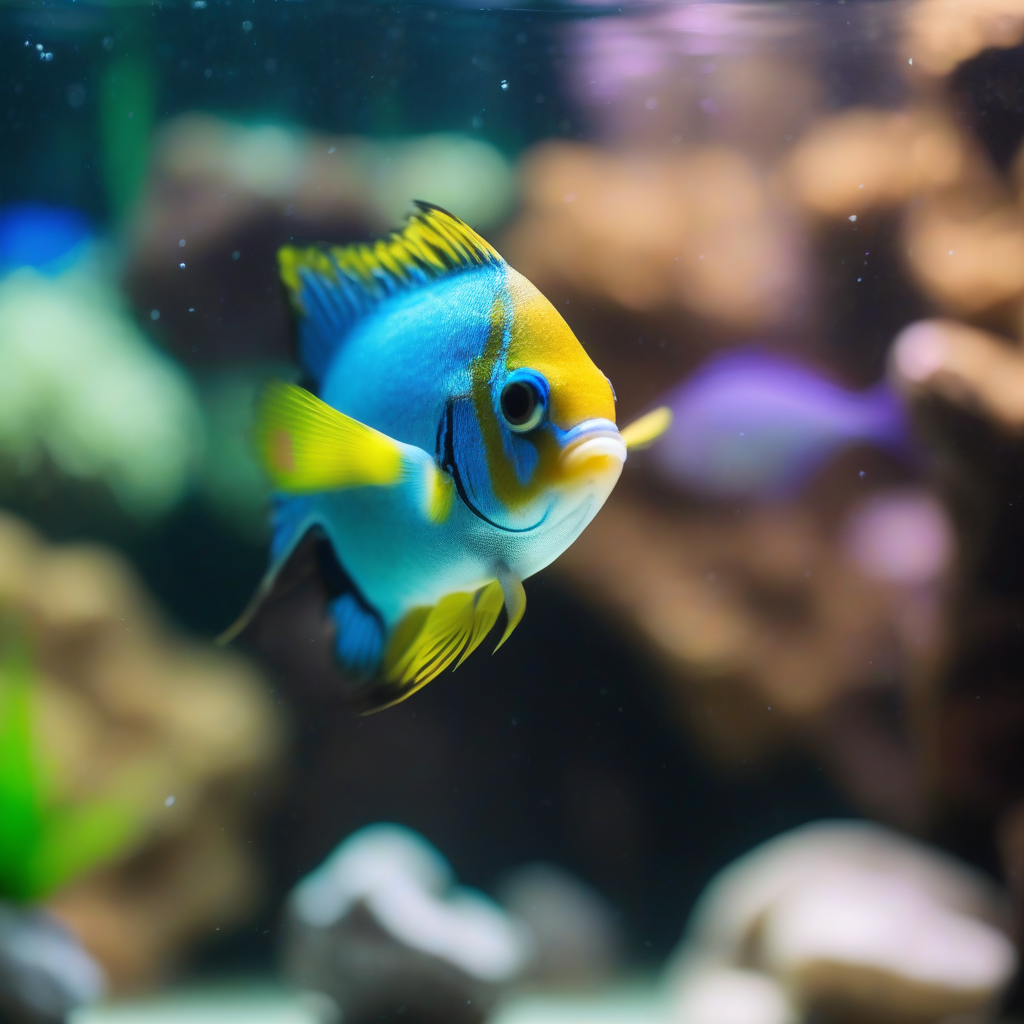
In this article, you will find comprehensive information on the insidious neurotoxic effects of heavy metal poisoning in aquarium fish, its symptoms, and lifesaving emergency intervention codes. This condition, which can arise from household water sources, improper equipment, or neglect, can severely threaten your fish's quality of life and lifespan.
Hamsters, despite their tiny bodies, are adorable companions with complex needs. Providing them with a safe and enriched environment that satisfies their natural instincts is crucial for their overall health and happiness. However, often, the habitat expectations of these tiny creatures go beyond a simple cage. In this article, we will explore the secret aspects of a hamster's habitat from their perspective and seek scientific ways to build a home that adapts to their natural world.
One of the most prominent instincts of hamsters is tunneling. This behavior is not just a form of entertainment but also a way to meet basic needs such as security, shelter, and food storage. As we discussed in our article Your Hamster's Secret 'Art of Escape': Scientific Secrets and Happiness Codes Behind the Tunneling Instinct, a habitat with sufficient depth and appropriate bedding material is essential to satisfy this instinct. A habitat filled with at least 20-30 cm of natural materials like wood shavings, paper-based bedding, or coconut fiber allows your hamster to build its own tunnel network.
Just as important as the cleanliness of your hamster's habitat is the microbial diversity it contains, which has profound effects on their health. As highlighted in our article Your Hamster's Invisible Shield: The Hidden Impact of Habitat on Microbiome and Secrets to Longevity, an overly sterilized environment can lead to a weakened immune system, while excessive dirt increases the risk of disease. Therefore, finding the right balance is crucial.
Hamsters, by nature, are creatures that carry the concern of being chased by predators. Therefore, they need enclosed, narrow spaces in their habitats where they can feel safe. The principles in the article Your Dog's Secret Sanctuaries: How to Create Safe Spaces That Reduce Stress and Provide Security also apply to hamsters. A simple house or tunnels made from a few cardboard boxes offer them both a shelter and new areas to explore.
Hamsters' habitats should not only include a place to sleep but also areas where they can store food, play, and explore. Similar to the importance of hiding spots for aquarium fish as discussed in Your Aquarium's Microclimate: Unknown Codes for Your Fish's Hidden 'Hiding Spots' and Well-being, this variety is vital for hamsters.
When designing a habitat for your hamster, we should consider not only their practical needs but also elements that mimic their natural environments. As mentioned in the article Your Hamster's Secret Habitat Secrets: From Escaped Burrow Areas to Mini Forests - A Scientific Journey, thinking of the habitat as an ecosystem will enhance your hamster's overall well-being.
In conclusion, designing your hamster's habitat is more than just filling a cage. Understanding their innate instincts, not overlooking microbial balance, and providing them with a safe, explorable, and fulfilling environment forms the foundation for them to live a long and healthy life. Remember, a happy hamster is a healthy hamster!
