
In this article, you will find comprehensive information on the scientific reasons behind your hamster's tunneling instinct, its impact on their psychological health, and ideal habitat setup to meet their tunneling needs.


Discover the neurobiological signals of hidden stress your newly adopted cat experiences during adaptation to a new social environment. This article reveals 5 insidious signs of your cat's silent struggle and scientific strategies for peaceful, long-term harmony.

Your dog's anal sacs, located beneath the tail, can be hidden alarm bells often overlooked but profoundly affecting their quality of life. In this article, you will discover the 5 insidious neurobiological effects of anal sac problems on the brain and the lifesaving care secrets you need to know for your furry friend to live a peaceful life.
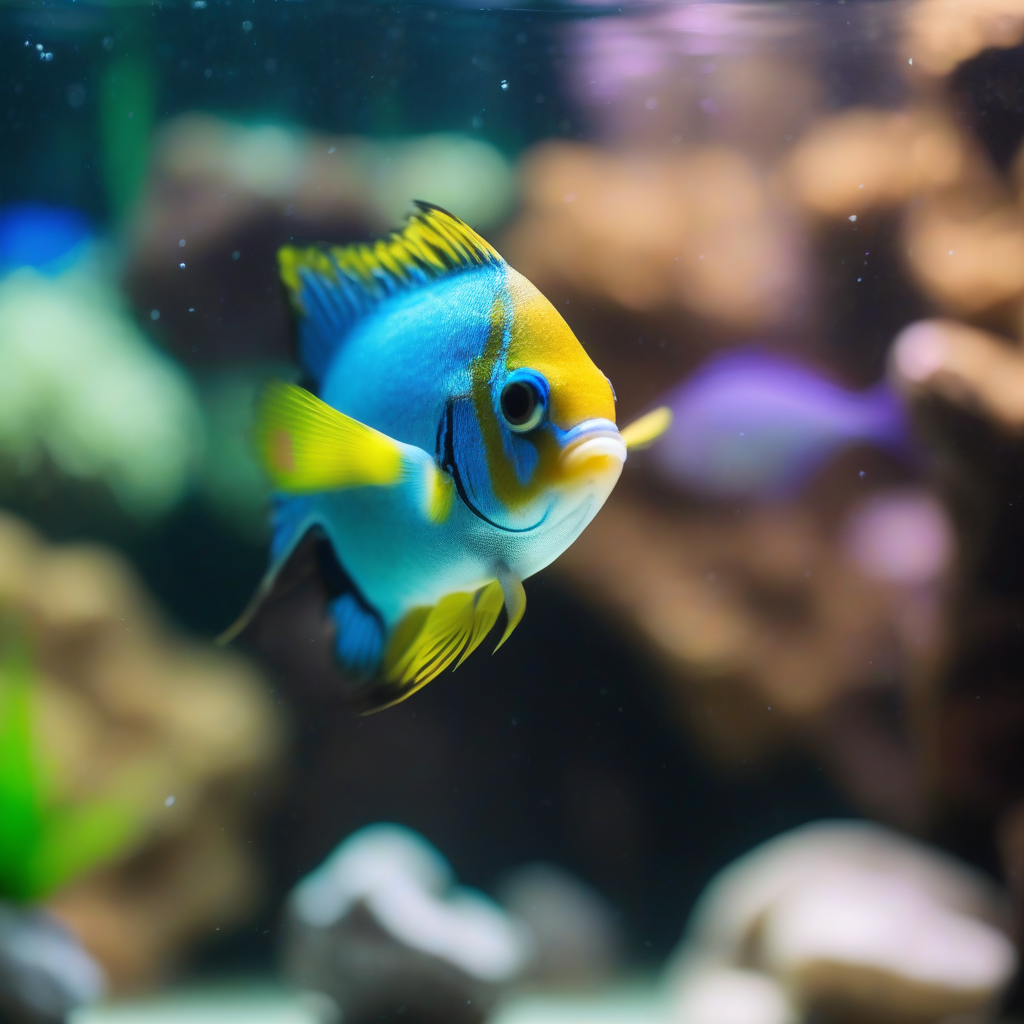
In this article, you will find comprehensive information on the insidious neurotoxic effects of heavy metal poisoning in aquarium fish, its symptoms, and lifesaving emergency intervention codes. This condition, which can arise from household water sources, improper equipment, or neglect, can severely threaten your fish's quality of life and lifespan.
Hamsters, despite their tiny size, possess a complex inner world and powerful innate instincts. One of their most prominent and perhaps least understood behaviors is the constant drive to dig tunnels. This behavior is far more than mere pastime; it's a fundamental part of their survival strategies, psychological health, and overall well-being. So, why does your hamster feel the constant need to dig tunnels? What are the scientific secrets behind this instinct, and how can we meet this need for their happiness?
In the wild, hamsters create intricate networks of tunnels underground to protect themselves from predators, build a secure home, and store food. Tunnels provide them with a physical hiding place and shield them from extreme temperature conditions. Therefore, the behavior of digging tunnels is a powerful evolutionary adaptation ingrained in hamsters' DNA. Our pet hamsters inherit this survival mechanism from their ancestors. Their restlessness when they don't encounter soil or suitable substrate in their cages stems from this deep-seated instinct.
For hamsters, digging tunnels is not just a physical necessity but also a significant source of emotional and mental release. Digging new tunnels satisfies their urge to explore and reinforces how they understand their environment. This process supports their cognitive development and provides mental stimulation, preventing boredom. Especially for hamsters living in confined spaces, tunneling activity is indispensable as it allows them to exhibit natural behaviors. This activity reduces stress, lowers anxiety, and generally opens the door to a happier and more balanced hamster. If you suspect your hamster is showing signs of stress, it's important to review whether their habitat meets this need.
The most crucial step in supporting your hamster's tunneling instinct is to provide them with a habitat of sufficient depth and suitable material. Plastic or wire-bottom cages often don't offer adequate depth. Instead, opt for wide-based, deep bins or specially designed hamster habitats.
The ideal digging depth for a hamster should be at least 20-30 cm. This allows your hamster to comfortably dig tunnels, build nests, and move around safely within these tunnels. The material laid on the bottom should be of a nature that the hamster can easily dig through, is non-toxic if ingested, and absorbs moisture. Wood shavings (avoid cedar and pine shavings, as they can be harmful to the respiratory tract), paper-based substrates, or coconut fiber are good options. Even a deep sand bath area, mixed safely, can encourage tunneling activity.
The tunnels your hamster digs should not be just simple holes. Tunnels of various lengths, with turns, and even multiple entrances offer a more engaging and satisfying experience for them. These tunnels serve as a 'secret room' where the hamster can safely hide, sleep, and even store food. Pay attention to the stability of the materials used to prevent tunnels from collapsing. Additionally, the overall layout of the habitat should be considered to ensure your hamster doesn't get trapped in their dug tunnels.
Tunnel digging is not just a behavior for hamsters; it's an integral part of their identity. Understanding and supporting this instinct is the key to providing them with a happier, healthier, and more fulfilling life. Remember, the complex tunnel networks they create in their tiny worlds are actually a source of security and happiness that we may not fully comprehend.
