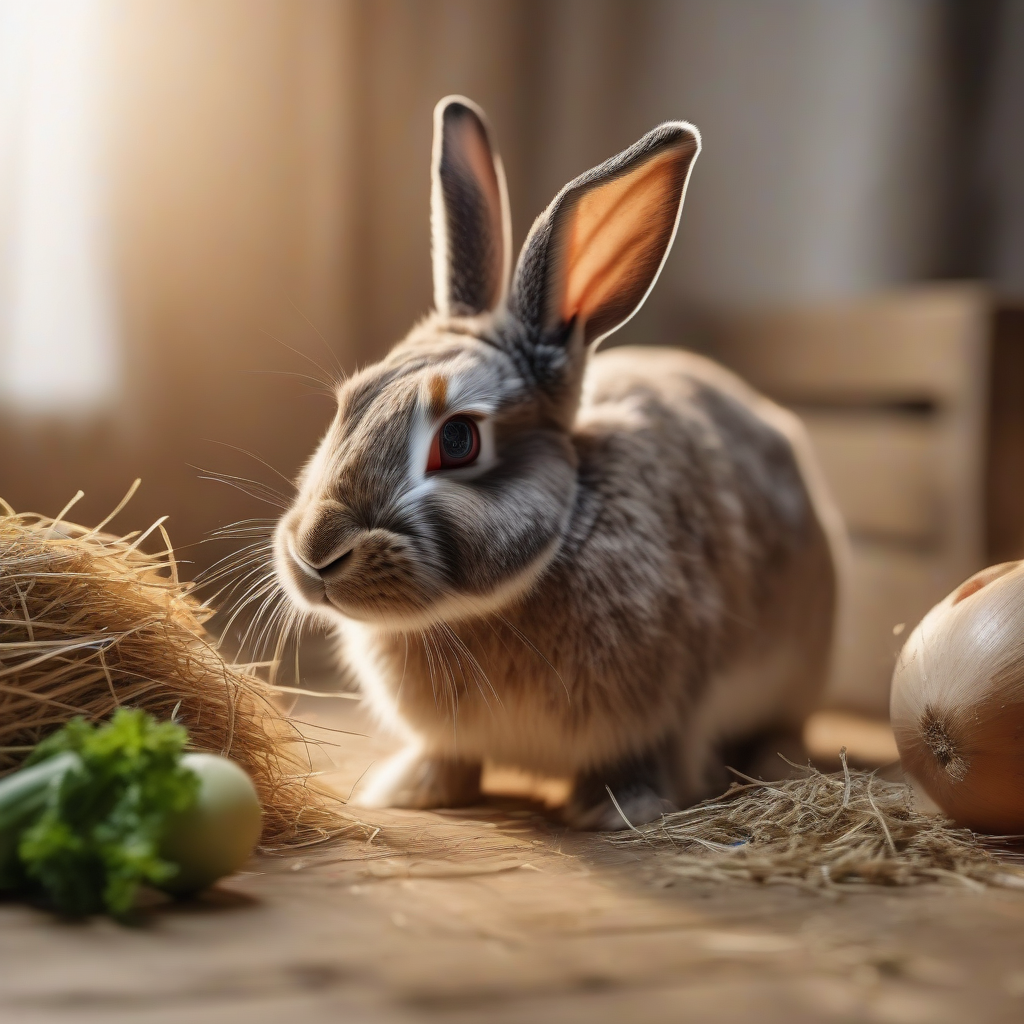
In this article, you will discover the scientific importance of cecotropes, one of the most unique and vital parts of a rabbit's digestive system, and their critical role in their nutrition. We will delve into what this overlooked secret for rabbit health is, why it's so important, and how to intervene when problems arise.


Discover the neurobiological signals of hidden stress your newly adopted cat experiences during adaptation to a new social environment. This article reveals 5 insidious signs of your cat's silent struggle and scientific strategies for peaceful, long-term harmony.

Your dog's anal sacs, located beneath the tail, can be hidden alarm bells often overlooked but profoundly affecting their quality of life. In this article, you will discover the 5 insidious neurobiological effects of anal sac problems on the brain and the lifesaving care secrets you need to know for your furry friend to live a peaceful life.
In this article, you will find comprehensive information on the insidious neurotoxic effects of heavy metal poisoning in aquarium fish, its symptoms, and lifesaving emergency intervention codes. This condition, which can arise from household water sources, improper equipment, or neglect, can severely threaten your fish's quality of life and lifespan.
Domestic rabbits are creatures that steal our hearts with their cute looks and gentle nature. However, at the core of ensuring their health and well-being lies a complex digestive process that most owners do not fully understand or even notice: the production and consumption of cecotropes. This "secret nutrition code" is vital for rabbits' survival and for maintaining their optimal health. As veterinarians, we believe that understanding the details of this process is key to preventing many common digestive and nutritional problems.
Rabbits have a different digestive system from monogastric animals like horses and humans. Although they are herbivores, instead of the multi-chambered stomach of ruminants, they digest cellulose and fiber through an enlarged cecum (blind gut) and a specialized colon structure. This process is called "hindgut fermentation."
After food enters the rabbit's mouth and passes through the stomach, it reaches the small intestine, where essential nutrients are absorbed. The remaining undigested fibrous material is directed to the cecum. The cecum is a sac-like organ filled with beneficial bacteria and microorganisms. It is here that soft, moist, nutrient-rich pellets called "cecotropes" are produced. These droppings differ from normal hard, dry fecal pellets and often have a cluster-like appearance, similar to a bunch of grapes.
Cecotropes are generally not seen directly by rabbit owners because rabbits ingest them directly from their anus. This behavior, known as cecotrophy, has evolved to allow rabbits to maximize the benefits of nutrients, especially essential vitamins like B vitamins and vitamin K, as well as amino acids and undigested proteins, by re-digesting them a second time. This is one of nature's most efficient recycling systems!
The consumption of cecotropes is critically important for rabbit health. Failure to eat them can lead to serious health problems. Here are the scientific reasons:
If your rabbit is not eating its cecotropes, it is usually the first sign of a health or nutritional problem. If you regularly find uneaten cecotropes in the cage, it's an alarm signal. Here are some overlooked causes and their consequences:
One of the most common causes is a high-carbohydrate, low-fiber diet or excessive pellets/commercial treats. Such diets disrupt the bacterial balance in the cecum, leading to a decrease in beneficial bacteria and an increase in harmful ones. As a result, cecotropes take on an abnormal consistency (too soft or sticky), and the rabbit does not want to eat them. This can lead to nutritional deficiencies and serious digestive problems like gastrointestinal stasis.
Rabbits bend into a flexible position to eat cecotropes. Physical pains such as arthritis, spinal problems, obesity, or Your Rabbit's Secret Paw Problems: Blind Spots of Wrong Flooring Choices and Scientific Solutions for a Healthy Habitat! can prevent the rabbit from performing this important behavior.
Overgrown or misaligned teeth can make it difficult or painful for the rabbit to comfortably grasp and eat cecotropes. Oral pain can prevent this behavior. You can find detailed information for cats on this topic in the article Your Cat's Oral Health: Blind Spots of Hidden Tartar Buildup and Scientific Care Secrets to Halt Periodontal Disease!, but dental health is similarly critical for rabbits.
Excessive stress, environmental changes, or an inappropriate living environment can also affect rabbits' natural behaviors and disrupt the cecotrophy process.
To ensure your rabbit produces healthy cecotropes and consumes them regularly, it is important to implement the following nutritional strategies:
If you notice that your rabbit is not eating its cecotropes or if you constantly see soft droppings in its cage, it is vital to contact a veterinarian immediately. The vet will diagnose the underlying cause and create an appropriate treatment plan. This situation can be a symptom of serious health problems requiring urgent intervention, such as gastrointestinal stasis.
Remember, cecotropes are an indispensable part of your rabbit's nutrition and overall health. Understanding this secret code and adjusting your rabbit's diet accordingly will ensure it lives a long and healthy life. Regular veterinary check-ups are critically important for early detection of possible problems.
