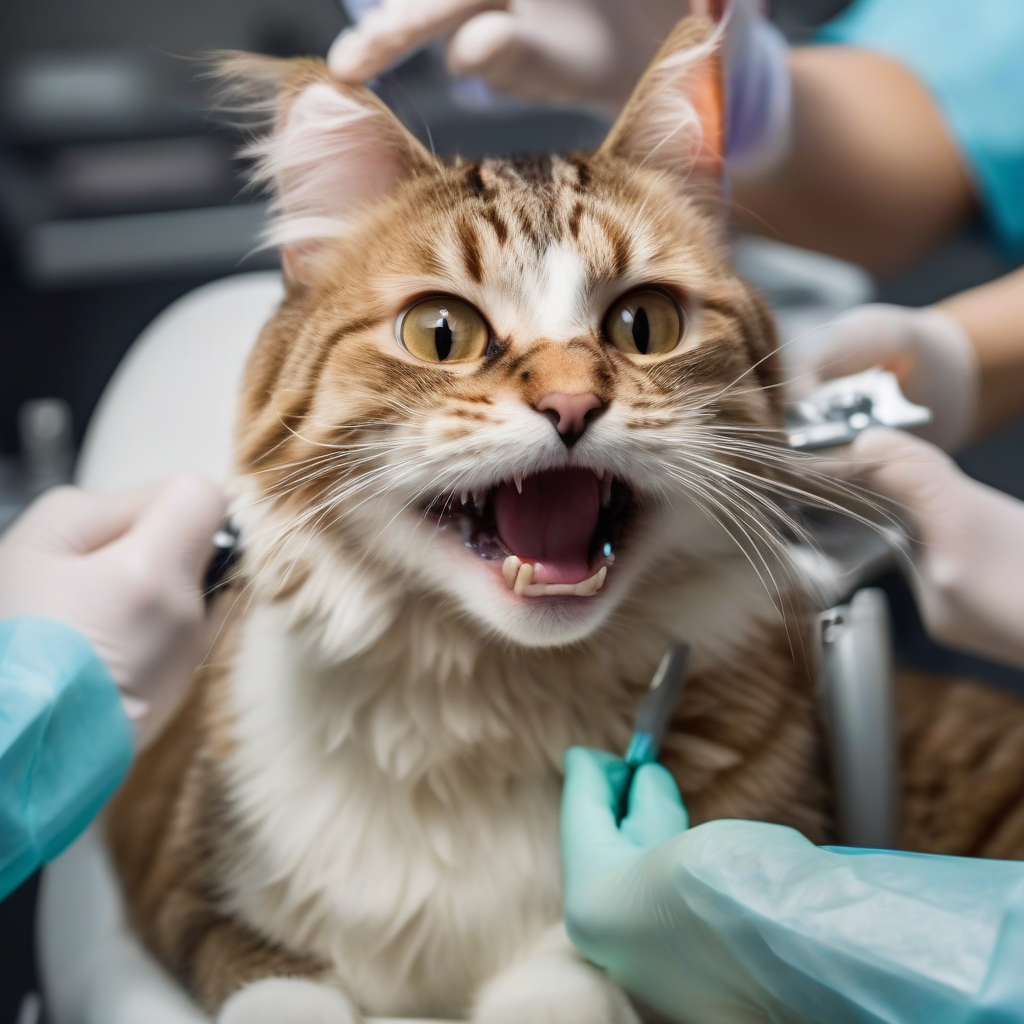
Your cat's oral health is critically important for their overall quality of life. In this article, we will delve into the silent signs of overlooked tartar buildup, gingivitis, and periodontal diseases, along with the scientific care secrets to stop these issues.


Discover the neurobiological signals of hidden stress your newly adopted cat experiences during adaptation to a new social environment. This article reveals 5 insidious signs of your cat's silent struggle and scientific strategies for peaceful, long-term harmony.

Your dog's anal sacs, located beneath the tail, can be hidden alarm bells often overlooked but profoundly affecting their quality of life. In this article, you will discover the 5 insidious neurobiological effects of anal sac problems on the brain and the lifesaving care secrets you need to know for your furry friend to live a peaceful life.
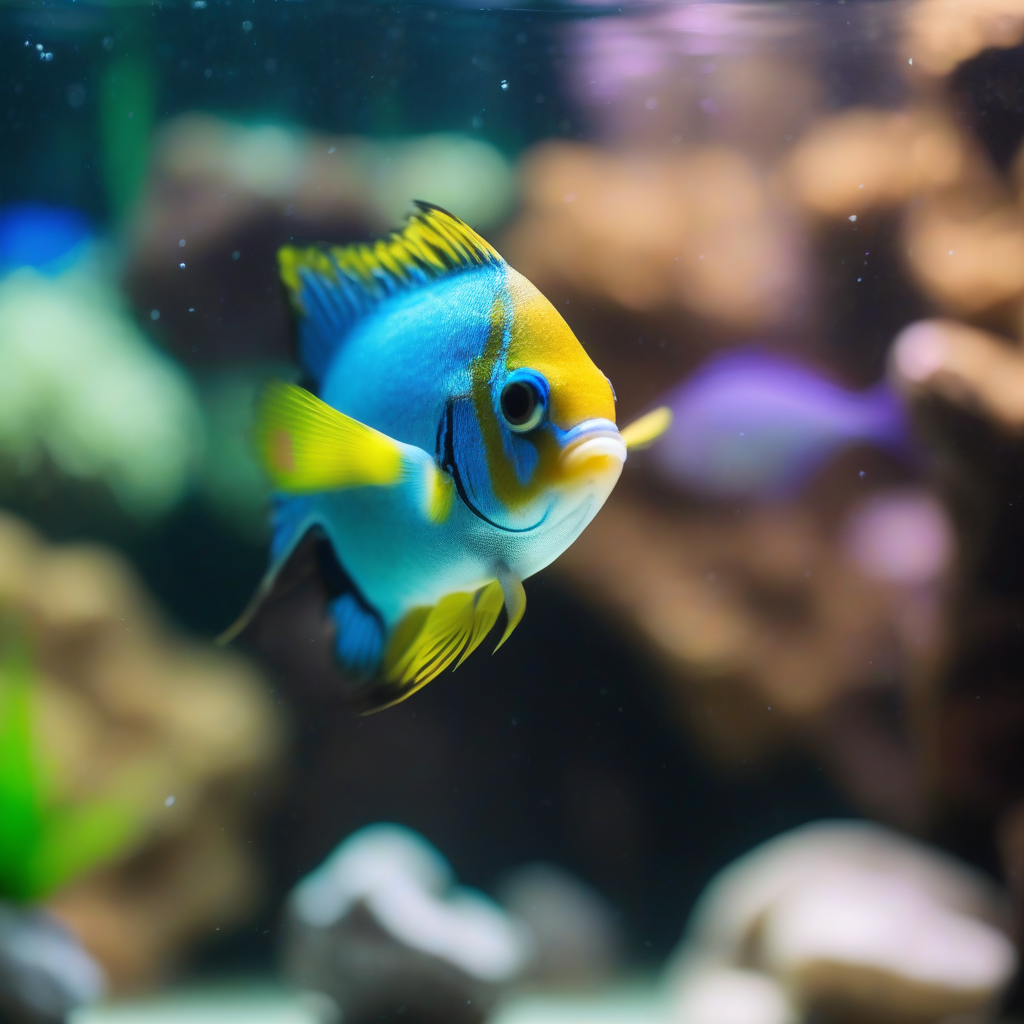
In this article, you will find comprehensive information on the insidious neurotoxic effects of heavy metal poisoning in aquarium fish, its symptoms, and lifesaving emergency intervention codes. This condition, which can arise from household water sources, improper equipment, or neglect, can severely threaten your fish's quality of life and lifespan.
In your cat's silent world, one of the biggest overlooked health threats is oral health issues. Although owners often don't notice, approximately 70% of cats suffer from some form of dental disease by the age of three. These problems are not limited to the mouth but can lead to serious consequences affecting the entire body system. So, how do these "hidden enemies"—tartar buildup and periodontal diseases—arise, and what scientific secrets do we need to know to protect our tiny friend's oral health?
A cat's oral structure has evolved to support their natural predatory instincts. Sharp canine teeth are designed for gripping prey, while molars are for tearing meat. However, the diets and lifestyles of modern domestic cats may not adequately trigger natural teeth-cleaning mechanisms. This situation sets the stage for bacterial plaque accumulation in the mouth.
A cat typically has 30 permanent teeth. These teeth consist of roots, necks, and crowns. The gums (gingiva) are the pink tissues that surround and protect the necks of the teeth. Healthy gums are the first line of defense against infections. While the primary function of teeth is to facilitate eating, they also play a critical role in behaviors like playing and self-defense.
The cat's mouth harbors a complex microbiome, home to billions of bacteria. These bacteria combine with food particles to form plaque, a sticky film on the tooth surfaces. Plaque is an invisible and rapidly accumulating formation. If plaque is not regularly removed, it mineralizes and hardens into tartar. Tartar, with its irregular surface, invites more bacteria and plaque buildup, thus starting a vicious cycle.
Tartar buildup is the primary cause of gingivitis (gum inflammation) and eventually periodontal disease. This process often progresses silently and is difficult for owners to notice until the disease reaches advanced stages.
Cats are masters at hiding their pain. Therefore, even if a cat has a serious oral problem, they may often continue to act normally. However, for a careful observer, some clues are available:
Periodontal disease is not limited to the mouth. Oral bacteria can enter the bloodstream through inflamed gums, reaching the heart, kidneys, and liver. This can lead to infections and chronic diseases in these organs, shortening your cat's lifespan and reducing their quality of life. Oral hygiene has profound effects on your cat's overall health, much like coat health mentioned in the article Beyond Fur Care: Hidden Sources of Shine and Health Codes for Your Cat's Coat.
Both professional veterinary intervention and regular home care are critically important for protecting your cat's oral health.
Professional dental cleaning (scaling) by a veterinarian is indispensable for preventing and treating periodontal disease. This procedure is usually performed under anesthesia and involves the removal of tartar with special ultrasonic instruments, examination of the gums, and extraction of problematic teeth if necessary. Your veterinarian will determine the frequency of this procedure based on your cat's oral health status.
Home care applied between professional cleanings plays a significant role in slowing plaque accumulation and preventing disease progression:
Your cat's nutrition directly impacts oral health. While high-quality, digestible protein diets support overall health, some specially formulated foods can help improve dental health. As stated in Your Cat's Secret Power Source: Lifesaving Secrets of Protein Quality and Amino Acid Profile (March 2026), supporting with the right nutrients is crucial for all body systems. Furthermore, the scientific connections between nutrition and Your Cat's Gut Microbiome: Deep Secrets of Mental Sharpness and Immune Shield from Nutrition (March 2026) also demonstrate the impact of oral health on digestion and immunity.
The best treatment is to prevent the disease from occurring. Regular veterinary check-ups and careful observation at home ensure that periodontal disease is caught in its early stages.
Observe your cat's chewing habits, eating speed, and even the amount of drooling. Sudden behavioral changes can be a sign of pain. For example, the chronic pain symptoms mentioned in Hidden Joint Pain and Arthritis in Cats: Silent Signs of Suffering and Home Care Secrets to Improve Quality of Life (March 2026) can be similarly hidden as oral pain and reduce overall quality of life.
At least once a year, a veterinary check-up is vital for a professional assessment of your cat's oral health. Your veterinarian can examine the teeth and gums in detail, diagnose potential problems early, and offer you a customized care plan.
Investing in your cat's oral health is one of the most important steps to ensure they live a long, healthy, and happy life. Being aware of these hidden dangers and implementing scientifically based care secrets will significantly improve your little friend's quality of life.
