
As spring arrives in March 2026, increasing outdoor time with our beloved pets, this guide provides comprehensive information on protection against hidden dangers and ensuring a safe, enjoyable spring experience. Discover all risk factors from toxic plants to parasites, wildlife to weather conditions, and the precautions to take.


Discover the neurobiological signals of hidden stress your newly adopted cat experiences during adaptation to a new social environment. This article reveals 5 insidious signs of your cat's silent struggle and scientific strategies for peaceful, long-term harmony.

Your dog's anal sacs, located beneath the tail, can be hidden alarm bells often overlooked but profoundly affecting their quality of life. In this article, you will discover the 5 insidious neurobiological effects of anal sac problems on the brain and the lifesaving care secrets you need to know for your furry friend to live a peaceful life.
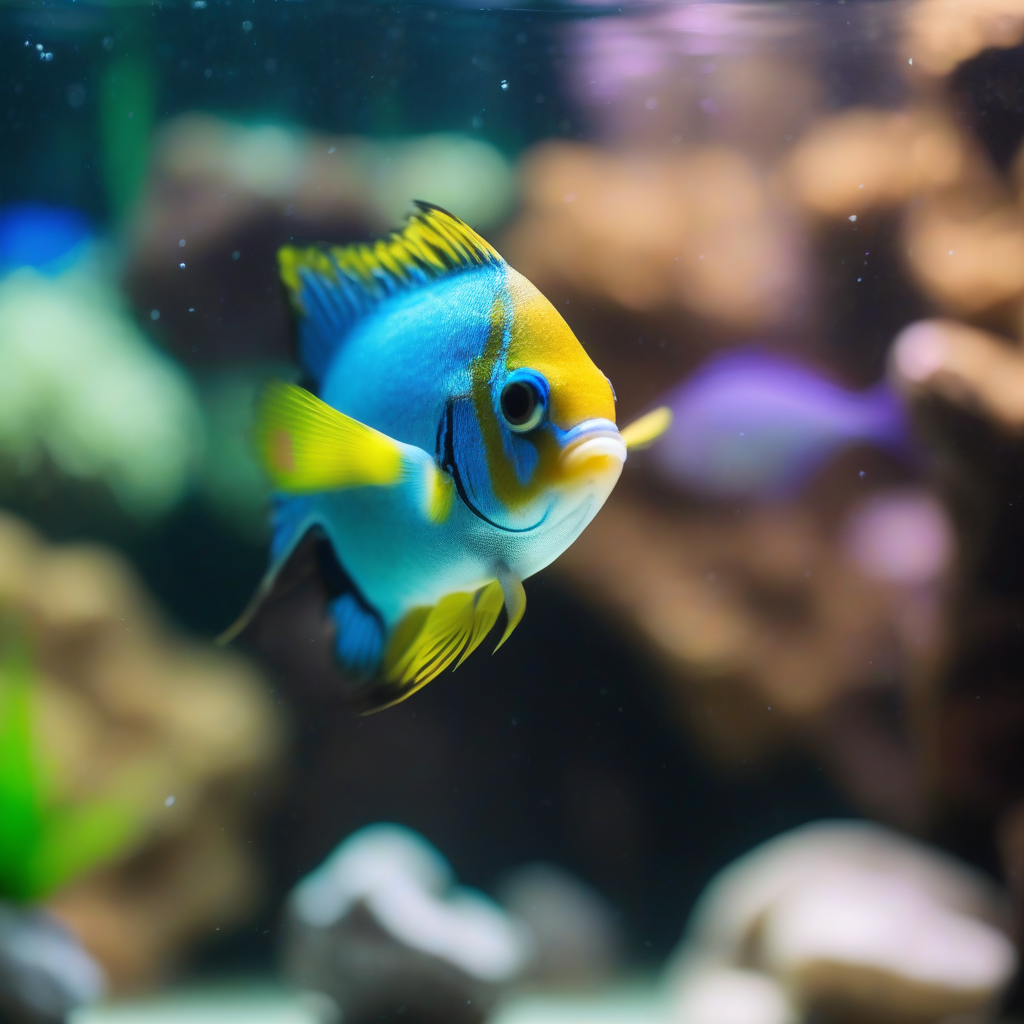
In this article, you will find comprehensive information on the insidious neurotoxic effects of heavy metal poisoning in aquarium fish, its symptoms, and lifesaving emergency intervention codes. This condition, which can arise from household water sources, improper equipment, or neglect, can severely threaten your fish's quality of life and lifespan.
As March 2026 unfolds, spring emerges as a revitalizing season that ignites our desire to spend more time outdoors with our cherished pets. Sunny days, blooming flowers, and flourishing nature promise new adventures for both us and our furry companions. However, this beautiful season also brings forth some unseen dangers. As a professional veterinarian, this guide will delve into scientifically-backed strategies on how to protect your pets from spring's potential risks and ensure you can safely enjoy the outdoors.
With increased outdoor activities in spring, the risks your pets might encounter also diversify. Being aware of these threats is the first step in taking protective measures.
Spring is a time when nature reawakens, but many plant and fungi species can be poisonous to pets. Lilies, daffodils, tulips, azaleas, and certain types of mushrooms can lead to serious health issues, ranging from digestive upset to kidney failure. It's crucial to identify plants your pet is prone to chewing and to clear your garden or walking areas of these harmful species. When outdoors, pay close attention to what your pet might be ingesting and seek immediate veterinary attention if you suspect poisoning. For more detailed information on home and garden safety, you can refer to our article on Pet-Friendly Home and Garden in 2026: A Comprehensive Guide for Spring Safety.
With rising temperatures, pests and external parasites such as ticks, fleas, and mosquitoes become more active. These parasites can transmit serious diseases to your pets, including Lyme disease, anaplasmosis, and heartworm. Regular parasite control and the use of appropriate preventive medications are critically important during spring and summer months. Consistently administering the monthly preventatives recommended by your veterinarian is the best step for your pet's health. You can learn more about Advanced Parasite Protection for Pets in 2026: New Strategies Against Climate Change.
Spring is also a time when wild animals are more active. Encounters with bird fledglings, squirrels, snakes, or other small mammals can be stressful or dangerous for your pet. To prevent contact with wild animals that may carry rabies, it's essential to always walk your pet on a leash and keep them under control. In cases of snake bites or wild animal bites, emergency veterinary intervention is crucial.
As the weather warms, pets may show increased interest in water. Ponds, streams, swimming pools, or even accumulated puddles can pose both a drowning risk and a source of water-borne diseases like leptospirosis. It's important to restrict your pet's access to water or ensure they swim under supervision. Thoroughly drying their fur after swimming will help prevent skin infections.
Spring is a season where temperatures can fluctuate rapidly. Days can be warm, while nights remain cool. Preventing your pet from being exposed to sudden temperature changes is important, especially for older animals or those with chronic conditions. Avoiding excessive exercise on warm spring days and always providing fresh water helps prevent dehydration and heatstroke. Find out more about Heatstroke and Dehydration in Dogs and Cats in 2026.
Garden maintenance and landscaping are integral parts of spring. However, pesticides, herbicides, fertilizers, and other chemicals used can be extremely toxic to pets. It's vital to keep your pets away when using these products and to pay close attention to the instructions on product labels. To understand the potential harms of such environmental factors and protective methods, please review our article on Environmental Toxins and Pollutants in Pets in Spring 2026.
Being proactive is key to safely enjoying spring with your pet.
Regular check-ups with your veterinarian are essential for monitoring your pet's overall health and determining the best preventive treatments against seasonal risks. Ensure all parasite preventatives are up-to-date and that all necessary vaccinations have been administered.
A well-trained pet will be safer outdoors. Basic commands like "Come" and "Stay" are critical for ensuring your pet's safety in potentially dangerous situations. Controlled socialization helps them form healthy interactions with other animals and people.
Every pet owner is advised to keep a first aid kit at home and carry one when going outdoors. Being able to provide initial care for minor injuries, insect stings, or allergic reactions can help manage the situation before it worsens. For more comprehensive preparation for emergencies, we recommend reading our guide on Pet First Aid and Emergency Preparedness in Spring 2026. Additionally, always keep your local veterinarian's emergency contact information handy.
Never leave your pet unsupervised outdoors. Even in your own yard, always keep an eye on what's happening. Unleashed pets run the risk of getting into traffic, encountering wild animals, or ingesting toxic substances.
With the right precautions, spring can be a time to create unforgettable memories with your pet. Long walks, supervised park visits, nature hikes (on a leash in safe areas), or garden games at home will provide both physical and mental stimulation. After every activity, remember to carefully inspect your pet for ticks or fleas.
Remember, your pet's health and safety are your responsibility. By implementing the information in this guide, you can transform the spring of March 2026 into a healthy, safe, and joyful period for both you and your furry friends.
