
In this article, you will find comprehensive information about environmental toxins and pollutants threatening your pets in Spring 2026, including symptoms and prevention methods.


Discover the neurobiological signals of hidden stress your newly adopted cat experiences during adaptation to a new social environment. This article reveals 5 insidious signs of your cat's silent struggle and scientific strategies for peaceful, long-term harmony.

Your dog's anal sacs, located beneath the tail, can be hidden alarm bells often overlooked but profoundly affecting their quality of life. In this article, you will discover the 5 insidious neurobiological effects of anal sac problems on the brain and the lifesaving care secrets you need to know for your furry friend to live a peaceful life.
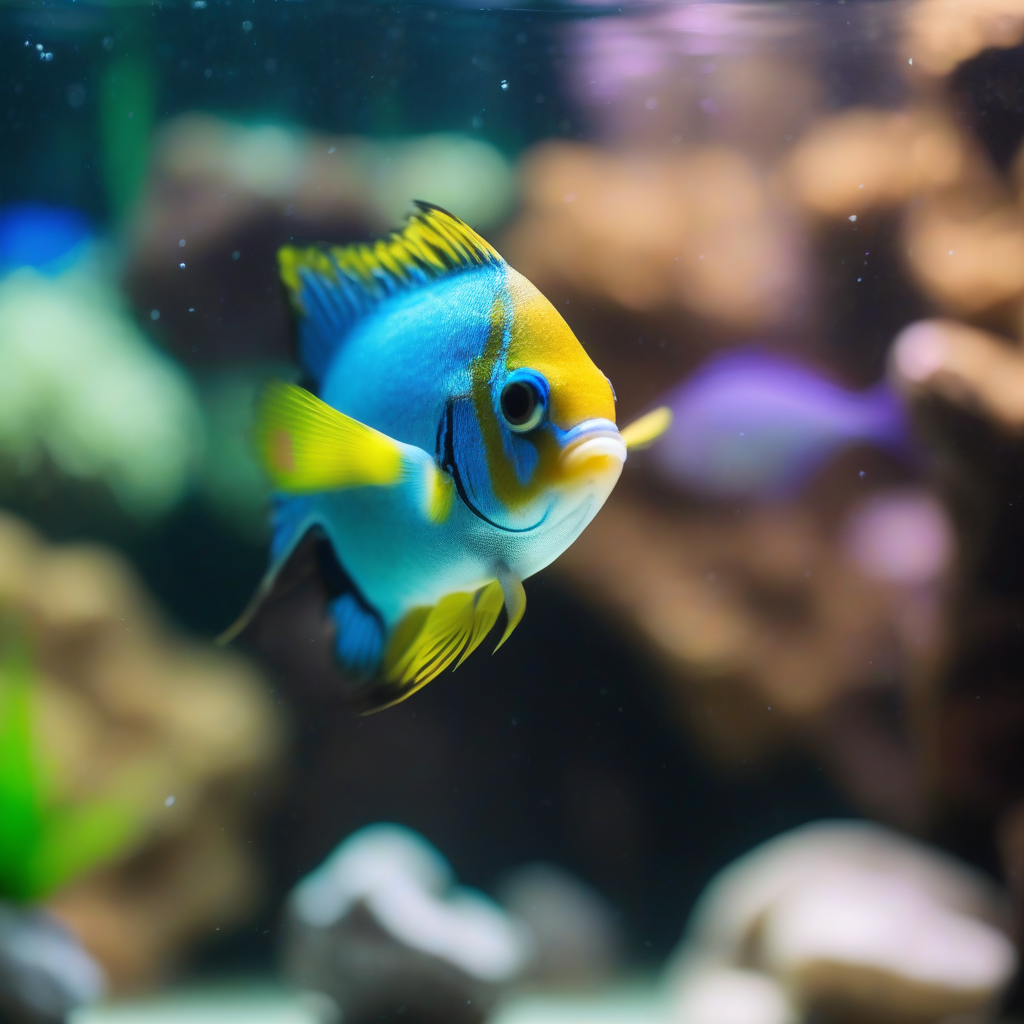
In this article, you will find comprehensive information on the insidious neurotoxic effects of heavy metal poisoning in aquarium fish, its symptoms, and lifesaving emergency intervention codes. This condition, which can arise from household water sources, improper equipment, or neglect, can severely threaten your fish's quality of life and lifespan.
As of March 2026, while nature awakens, new threats also emerge for our beloved pets. Spring, with its increased outdoor activities, garden maintenance, and accelerated house cleaning, elevates the risk of pets being exposed to environmental toxins and pollutants. These invisible threats can have serious consequences for our companions' health. At WikiPet, we are here to provide a comprehensive guide to educate pet owners about these risks and encourage them to take protective steps.
Spring brings many changes. Longer days and rising temperatures increase the time our pets spend outdoors, while spring cleaning sprees sweep through our homes. These seasonal shifts also bring potential risks of poisoning and exposure.
As gardens come to life in spring, many homeowners turn to various chemical products to control weeds, combat pests, or strengthen their lawns. Fertilizers, herbicides, insecticides, and slug baits can be highly toxic to pets. Dogs may curiously sniff, lick, or ingest these chemicals after walking on them and cleaning their paws. Cats are similarly at risk, either through their hunting instincts or by grooming chemicals off their fur. Exposure to such chemicals can lead to various health problems, from digestive upsets to neurological damage. For your pet's health, it's crucial to research the toxicity levels of products used in garden care and, if necessary, refer to our article Pet-Friendly Home and Garden in 2026: A Comprehensive Guide for Spring Safety.
With the enthusiasm of spring cleaning, strong household chemicals like bleach, detergents, disinfectants, and oven cleaners are used more frequently. These products can cause severe burns, digestive system irritation, and respiratory problems if accidentally ingested or if they come into contact with skin. Furthermore, volatile organic compounds (VOCs) that evaporate from these chemicals in confined spaces can irritate pets' respiratory tracts and lead to long-term health issues. Scented room sprays and aerosols can also pose a risk to cats and dogs with sensitive respiratory systems. Learning more about the Impacts of Seasonal Weather Fluctuations and Protection Strategies for your pet can help you manage these risks.
Flowering plants and mushrooms that emerge with spring rains can also be dangerous for pets. Popular spring plants such as lilies (especially toxic to cats), tulip and daffodil bulbs, azaleas, rhododendrons, and foxglove can be toxic. Ingesting unknown mushrooms can also lead to severe poisoning. Curbing your pet's curiosity and identifying potentially dangerous plants in your garden or surroundings is vital.
Symptoms indicating your pet has been exposed to a toxin vary depending on the substance and quantity. However, common signs to watch for include:
If you notice one or more of the above symptoms in your pet, or if you suspect they have been exposed to a toxin, you should contact your veterinarian immediately. If possible, note the packaging, label, or name of the substance your pet was exposed to and provide this information to your veterinarian; this is critical for accurate diagnosis and treatment. Remember, having basic knowledge about Pet First Aid and Emergency Preparedness can be lifesaving.
The best way to protect your pet from environmental toxins is to be proactive.
One of the rising trends in pet health in 2026 is supporting the body's natural detoxification processes against the risk of toxin exposure. Consult your veterinarian to learn about specific nutritional supplements or dietary strategies that can boost your pet's immune system resistance and support liver function. Antioxidant-rich foods and probiotics, in particular, can be beneficial for overall health and resistance to toxins. However, such approaches should always be implemented under veterinary supervision.
Protecting our pets from environmental toxins is a critical step for them to have a healthy and happy spring. By making conscious choices and taking proactive measures, we can ensure our companions remain safe in every season.
