
In this article, you will find a guide to protecting fish health by exploring hidden internal intestinal parasites in aquarium fish: their symptoms, diagnostic methods, and scientific treatment solutions.


Discover the neurobiological signals of hidden stress your newly adopted cat experiences during adaptation to a new social environment. This article reveals 5 insidious signs of your cat's silent struggle and scientific strategies for peaceful, long-term harmony.

Your dog's anal sacs, located beneath the tail, can be hidden alarm bells often overlooked but profoundly affecting their quality of life. In this article, you will discover the 5 insidious neurobiological effects of anal sac problems on the brain and the lifesaving care secrets you need to know for your furry friend to live a peaceful life.
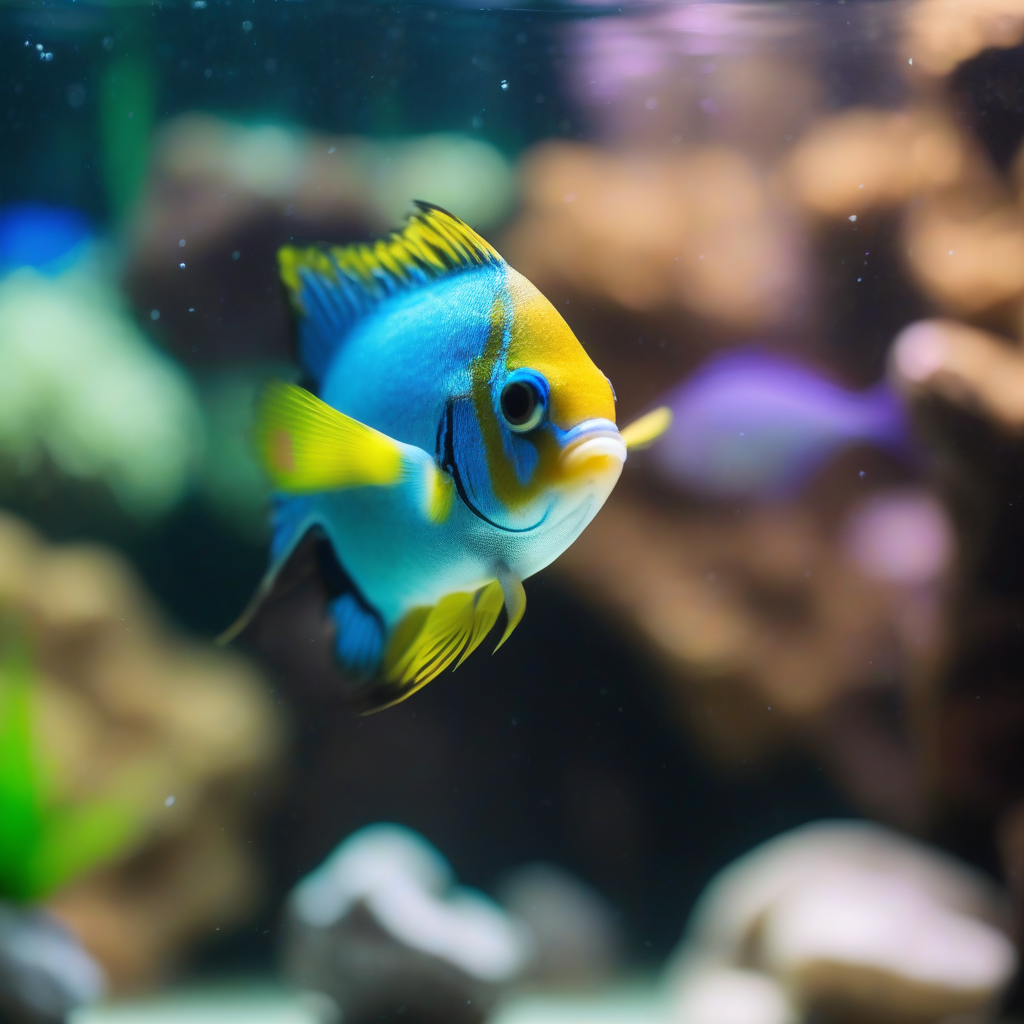
In this article, you will find comprehensive information on the insidious neurotoxic effects of heavy metal poisoning in aquarium fish, its symptoms, and lifesaving emergency intervention codes. This condition, which can arise from household water sources, improper equipment, or neglect, can severely threaten your fish's quality of life and lifespan.
Even if the fish in your aquarium appear healthy, an overlooked danger can silently threaten their quality of life and longevity: internal intestinal parasites. These insidious microorganisms settle in the fish's digestive system, impairing nutrient absorption, weakening the immune system, and eventually leading to serious health problems. Often difficult for fish owners to detect, these conditions can be managed with the right knowledge and proactive measures. As of March 2026, advances in veterinary medicine are enabling us to better understand and combat these hidden threats. In this article, we will delve into the most common internal intestinal parasites in fish, their symptoms, diagnostic methods, and scientific treatment strategies.
Internal intestinal parasites in fish encompass a wide range, from single-celled protozoa to multi-celled worms. Each has different effects on the fish's health and can often persist for long periods without showing obvious, visible symptoms, making diagnosis quite challenging.
Symptoms of internal intestinal parasites are often non-specific and can be confused with other fish diseases. Things to watch for include:
Diagnosis, especially for home aquariums, requires professional help. Veterinarians can detect parasites through microscopic examination of fecal samples (fecal floats and smears), intestinal tissue biopsies, or more advanced PCR tests. There is no definitive diagnostic method that can be performed at home. It is important to remember that other internal diseases, such as Hidden Kidney Diseases in Fish: The Silent Threat in Your Aquarium and Lifesaving Management Secrets, can also show similar symptoms.
In combating internal intestinal parasites, prevention and early intervention are the most effective methods.
Once a diagnosis is made, a veterinarian will prescribe appropriate antiparasitic medications based on the type of parasite. Medications such as Metronidazole (for Hexamita), Levamisole (for Nematodes), or Praziquantel (for Cestodes) may be used. During the treatment process, it is essential to optimize aquarium conditions and closely monitor the fish. If necessary, antibiotic treatment for secondary bacterial infections may also be administered.
Internal intestinal parasites in fish are a significant health concern in the aquarium hobby that should not be overlooked. Early diagnosis and correct treatment approaches are critical for your fish to lead long and healthy lives. By taking proactive measures such as regular observation, quality water management, and balanced nutrition, you can build a strong defense against these insidious threats. Remember, consulting an expert veterinarian for any health concern is always the best approach.
