
In this article, we will explore with scientific evidence how hamsters' instinctive burrowing behavior goes beyond mere physical activity, profoundly impacting their brain development, cognitive abilities, and overall psychological well-being. Discover how you can offer your hamster 'underground engineering' opportunities for a happier and healthier mind.


Discover the neurobiological signals of hidden stress your newly adopted cat experiences during adaptation to a new social environment. This article reveals 5 insidious signs of your cat's silent struggle and scientific strategies for peaceful, long-term harmony.

Your dog's anal sacs, located beneath the tail, can be hidden alarm bells often overlooked but profoundly affecting their quality of life. In this article, you will discover the 5 insidious neurobiological effects of anal sac problems on the brain and the lifesaving care secrets you need to know for your furry friend to live a peaceful life.
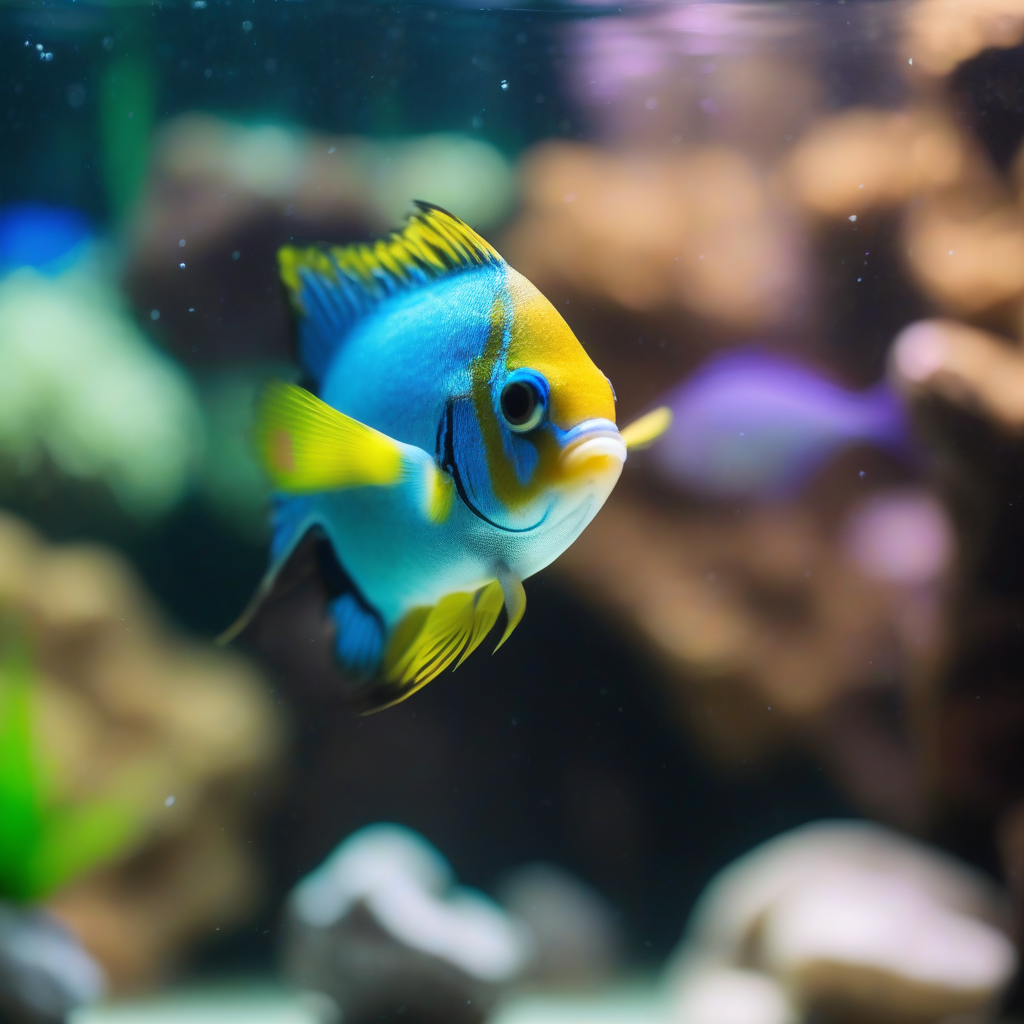
In this article, you will find comprehensive information on the insidious neurotoxic effects of heavy metal poisoning in aquarium fish, its symptoms, and lifesaving emergency intervention codes. This condition, which can arise from household water sources, improper equipment, or neglect, can severely threaten your fish's quality of life and lifespan.
Hamsters are among the planet's smallest engineers. Their instinct to construct intricate tunnel systems underground during the night is far more than just creating a shelter. This behavior has profound effects on hamsters' psychology, cognitive development, and overall well-being. So, what exactly happens in their brains as these tiny creatures build a veritable labyrinth beneath the surface?
In their natural habitats, hamsters dig complex networks of tunnels to protect themselves from predators, store food, and escape temperature fluctuations. These tunnels form the cornerstone of their survival strategy. Comprising different sections such as long corridors, multiple entrances/exits, food caches, and sleeping chambers, these structures are critically important for their survival. This instinct persists strongly even in domesticated hamsters and can be observed when they are provided with an appropriate environment.
For a hamster, burrowing is not just about digging dirt; it's about creating a sense of security and control. The dark, enclosed space underground offers them the ability to hide from predators and feel safe. This acts as a shield against potential threats they might perceive even in a home environment. The act of burrowing provides a natural behavioral outlet, reducing stress and lowering anxiety levels. Hamsters experience a sense of environmental control as they shape their living space. This helps them manage the scientific secrets of micro-decisions they make under stress and zero out anxiety.
Constructing and navigating complex tunnel systems is essentially a brain workout for hamsters' cognitive abilities. This action stimulates a range of mental processes:
A rich and complex underground environment helps prevent hamsters from developing stereotypic behaviors. Stereotypic behaviors are repetitive and purposeless movements that arise from insufficient environmental stimulation or stress. Burrowing is a powerful tool in preventing such behaviors.
Providing an appropriate environment for your hamster to display their instinctive 'underground engineering' skills and live in psychological well-being is vitally important. Here's what you should consider:
Meeting your hamster's need to burrow is more than just providing an activity; it's about honoring their natural behaviors and supporting their mental health. The opportunity to build and live within complex tunnel systems ensures that hamsters are cognitively stimulated, their stress levels are reduced, and they generally lead happier and healthier lives. By offering them this 'underground engineering' adventure, you make a significant investment in your little friend's mind.
