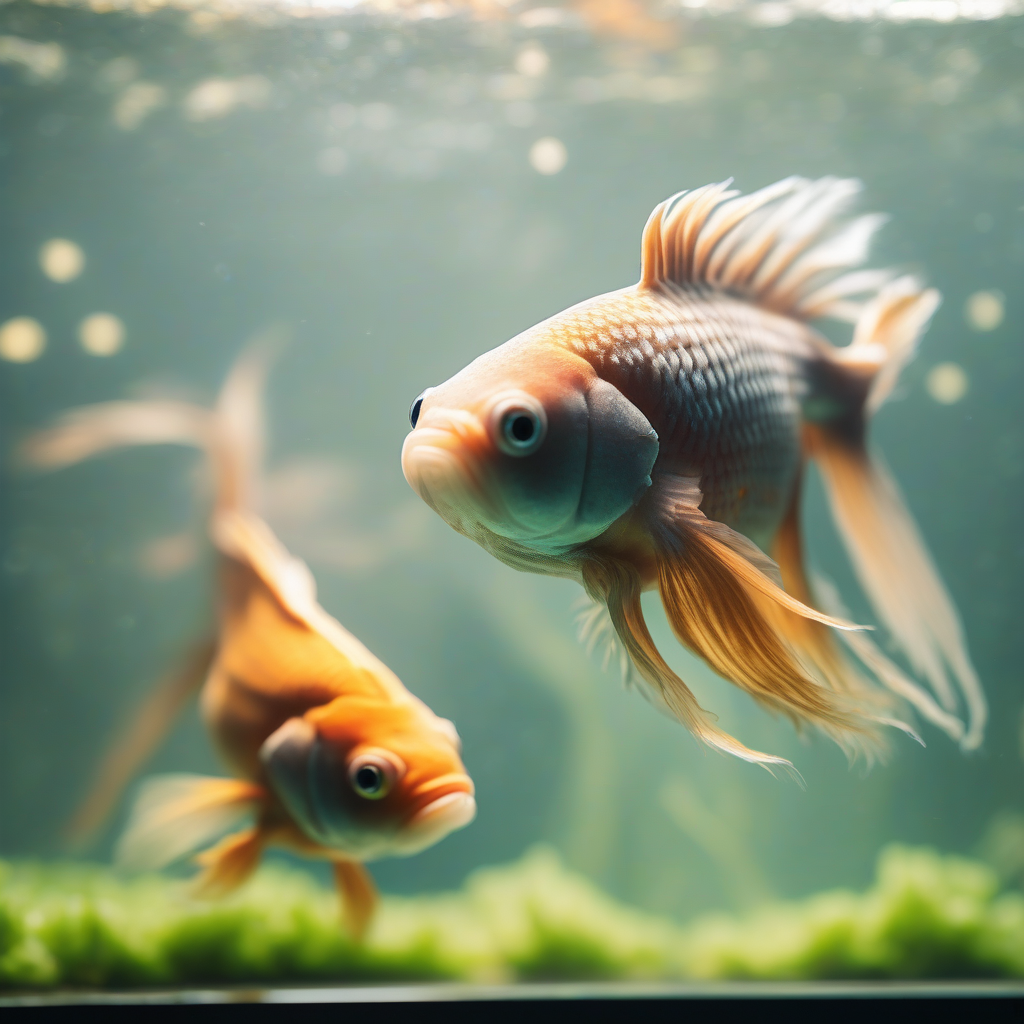
What should you do if your fish's gills become obstructed with food? This guide explains the scientific secrets of food impaction in fish and 5 lifesaving emergency intervention protocols.


Discover the neurobiological signals of hidden stress your newly adopted cat experiences during adaptation to a new social environment. This article reveals 5 insidious signs of your cat's silent struggle and scientific strategies for peaceful, long-term harmony.

Your dog's anal sacs, located beneath the tail, can be hidden alarm bells often overlooked but profoundly affecting their quality of life. In this article, you will discover the 5 insidious neurobiological effects of anal sac problems on the brain and the lifesaving care secrets you need to know for your furry friend to live a peaceful life.
In this article, you will find comprehensive information on the insidious neurotoxic effects of heavy metal poisoning in aquarium fish, its symptoms, and lifesaving emergency intervention codes. This condition, which can arise from household water sources, improper equipment, or neglect, can severely threaten your fish's quality of life and lifespan.
Life in an aquarium often flows silently beneath the surface's calm. However, behind this serenity, crises can arise suddenly and become fatal. One emergency often overlooked by fish owners, or for which they don't know how to react, is food getting stuck in a fish's gills while eating. This situation is a 'Hidden Choking Trap' for your fish, requiring rapid and scientifically based intervention. As of March 2026, modern veterinary aquatic medicine emphasizes the importance of acting with knowledge rather than panic in such situations. Let's delve into this insidious danger and the critical steps that can save your fish's life.
Fish consume food through their mouths and filter water through their gills. This complex and delicate mechanism can sometimes malfunction if the food's size or structure is inappropriate. Food particles can become lodged between the fish's gill lamellae, causing a severe obstruction. This situation is not merely a physical barrier but triggers a series of stress reactions in the fish's physiology:
The signs a fish exhibits when food is stuck in its gills are usually evident but can progress rapidly. Your observational skills are crucial for early diagnosis:
The moment you notice food stuck in your fish's gills, time is a critical factor. Do not panic; apply the following steps in order:
First, check the general condition of other fish and water quality in the aquarium. A stressed fish can release ammonia, disrupting water parameters. Quickly perform a water test to assess ammonia, nitrite, and nitrate levels. If necessary, perform a 25-30% partial water change. This can help reduce irritation in the fish's gills. Even without food impaction, signals of oxygen deficiency in the aquarium can threaten your fish's overall health.
Gently transfer the fish, preferably with a net, to a separate quarantine or observation tank. This tank should contain clean, appropriately warm, and well-aerated water. The presence of other fish can worsen the condition of an already stressed fish. Ensure there is no strong current in the tank, as this can make the fish's already difficult breathing even harder. Provide a calm and dimly lit environment to help the fish rest.
This step is the riskiest and should only be considered if other methods fail and the fish's condition deteriorates. If your fish is small or you lack experience, it is best to leave this step to a veterinarian.
After manual intervention, or if the food particle is small and the fish can still breathe, a mild salt bath or special stress-relieving/mucosa-protecting solutions can be beneficial. A mild aquarium salt (approximately 1-2 teaspoons per gallon of water) or products with anti-inflammatory and antiseptic properties like methylene blue can help reduce gill irritation and prevent potential secondary infections. However, before applying such treatments, ensure the product is suitable for your fish species and follow dosage instructions.
If the above steps are insufficient or the fish's condition worsens, immediately consult an aquatic animal veterinarian. Veterinarians can apply more advanced techniques (e.g., removal under sedation) and recommend appropriate medication for infection risk. This is one of those moments where professional help is vital, just as in other emergencies like 'dropsy' in your fish.
Prevention is Key:
Your fish falling into a 'Hidden Trap' like food impaction can be a frightening experience for aquarium owners. However, scientific knowledge and rapid intervention significantly increase your chances of saving your fish's life. Remember that, as with other sudden crises like an osmoregulation crisis in the aquarium, being prepared and knowing the right steps is always the best strategy. Always observe your fish's behavior carefully and do not hesitate to act at the slightest change. Because in their silent world, your quick reaction can be a signal of life. Just like your swift response during a sudden poisoning in your fish's aquarium.
