
In this article, you will discover the profound neurobiological effects of early socialization deficiency in adopted dogs and learn scientific solutions to overcome this 'social blind spot' for a harmonious life.


In this article, you will find comprehensive information about the insidious neurobiological effects of artificial colorings, preservatives, and flavors found in commercial bird feeds on your bird's brain health and mental vitality. We explore scientific nutritional secrets to combat these hidden dangers, shedding light on a wide spectrum of effects from behavioral changes to cognitive decline.

In this article, you can discover the scientific secrets to understanding your cat's undesirable habits, deciphering the neurocognitive mechanisms in their brain, and establishing lasting new routines.
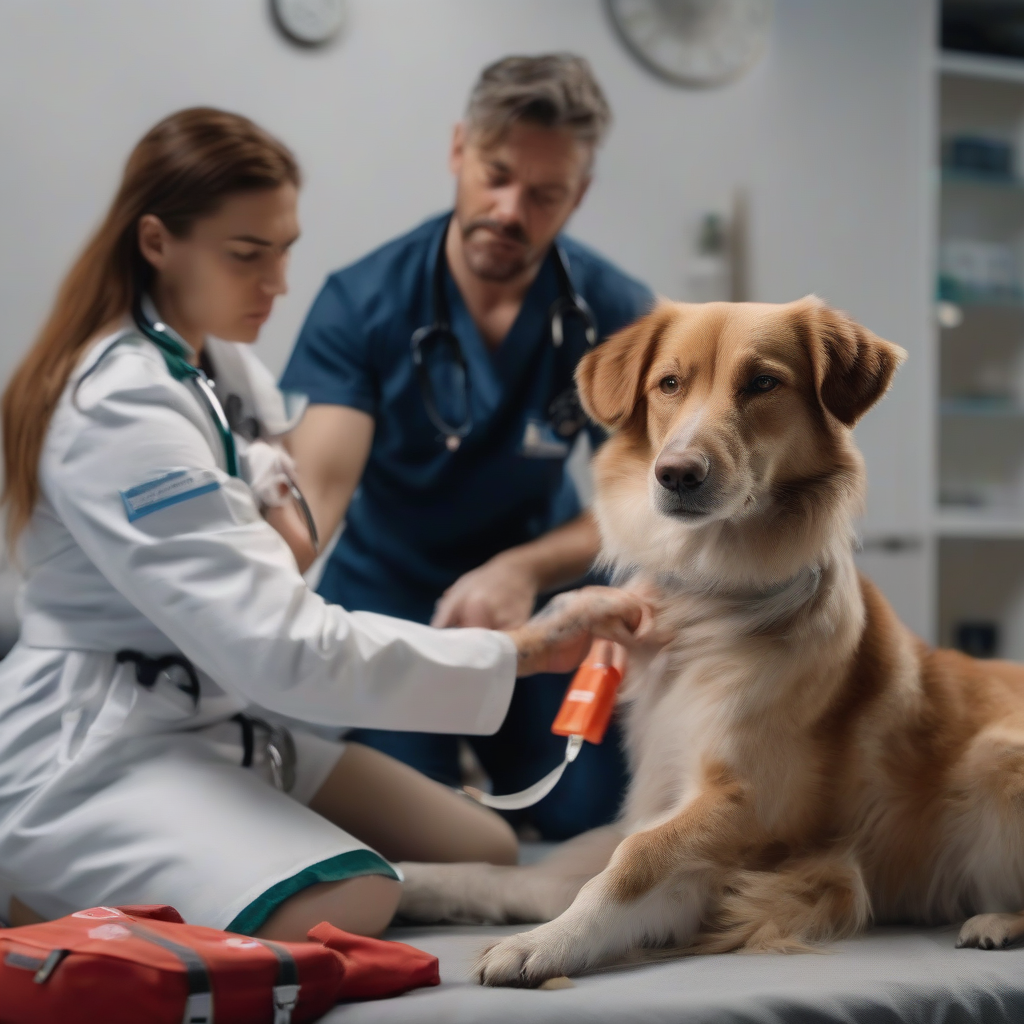
Discover the types of burns your dog can suffer, the 5 insidious neurophysiological effects these burns create in the brain and body, and lifesaving emergency intervention strategies in this comprehensive guide. We shed light on the dangers behind forgotten household accidents from a scientific perspective.
Embarking on a new life with an adopted dog can be both exciting and challenging. Especially if our furry friend has experienced a lack of early socialization in their past, the behavioral issues we encounter may not just be bad habits but a reflection of deep-seated neurobiological 'social blind spots' in the brain. Early life experiences leave lasting impacts on puppy brain development, directly shaping adaptation processes after adoption.
A dog's brain, much like a construction site, is shaped by the building of specific structures during specific critical periods. The socialization period (typically from 3 to 16 weeks of age) is a time when the foundations of these critical structures are laid. Dogs raised without adequate socialization lack sufficient positive information about people, other animals, and different environments. This deficiency not only leads to behavioral problems but also causes permanent neurobiological changes in brain regions responsible for fear, decision-making, attachment, and learning.
In this article, we will delve into 5 insidious neurobiological effects of early socialization deficiency in the canine brain and explore scientific solutions to help your adopted companion overcome these 'social blind spots.' Remember, patience, understanding, and science-backed approaches are key to unlocking every dog's potential.
Puppies undergo an intense learning process in the first few months after birth to understand and interpret the world around them. During this period, exposure to various stimuli (sounds, smells, sights, people, other animals) strengthens synaptic connections in their brains and determines future behavioral responses. Early socialization is indispensable for the healthy development of these complex neural networks.
The most critical period for socialization in dogs is typically between 3 and 16 weeks of age. During this time, puppies' brains absorb environmental information like a sponge, and this information shapes their worldview. Puppies that have positive experiences during this period tend to be calmer, more confident, and adaptable to new situations in the future. However, if this critical window closes, brain plasticity decreases, and the neural basis for acquiring social skills later on remains deficient. This makes it difficult for an adopted dog to adjust to a new environment and can complicate issues like Your Adopted Dog's 'Hidden Social Map': 5 Neurobiological Secrets to Establishing Rank in a New Pack and Keys to a Harmonious Life!.
Early socialization deficiency leaves unseen but deeply impactful traces in a dog's brain. These traces manifest as dysfunctions or insufficient development in different brain regions.
The amygdala is the emotional center of the brain, particularly responsible for fear and threat perception. Insufficient socialization can cause the amygdala to become hypersensitive and constantly vigilant. This leads the dog to perceive even potentially harmless situations as threats. As a result, chronic stress and anxiety can diminish your dog's quality of life and make it difficult to cope with situations like Your Dog's 'Fear-Infused Stress Tunnels': 5 Neurobiological Thresholds in a New Environment and Secrets to Building Lasting Trust!.
The prefrontal cortex is the brain region responsible for complex cognitive functions such as planning, decision-making, problem-solving, and impulse control. In dogs that do not receive adequate social stimulation early on, the development of this region may be delayed or insufficient. This can cause the dog to struggle with controlling its impulses and to react instinctively. Impulse control issues mentioned in the article Your Dog's 'Secret Impulse Control': The 5 Neurocognitive Dances of Impatience in the Brain and Scientific Solution Keys! can be a result of this neurobiological deficiency.
Oxytocin and vasopressin are neuropeptides that play critical roles in behaviors such as social bonding, trust, and empathy. Early socialization deficiency can lead to imbalances in the release and receptor density of these hormones. These imbalances can make it difficult for an adopted dog to bond with its new owner or other family members, causing feelings of distrust and isolation. Your Dog's 'Hidden Attachment Algorithm': Neurobiological Traces of Past Traumas and 5 Scientific Secrets to Building Secure Bonds! offers more information on this topic.
Serotonin is a neurotransmitter that regulates mood, sleep, and appetite, while dopamine is associated with reward, motivation, and pleasure. Insufficient social interactions can negatively impact the development of these neurotransmitter systems. Decreased serotonin levels can increase anxiety and aggression tendencies, while dopamine deficiency can lead to a loss of motivation and anhedonia. This can cause the dog to be indifferent or overreactive to its environment.
The hippocampus is an important brain region involved in learning and memory, especially spatial and contextual memory. Early socialization deficiency can lead to a reduction in hippocampal volume and negatively affect neurogenesis (the formation of new neurons). This can make it difficult for the dog to learn new social rules, store positive experiences in memory, and understand contexts, similar to those discussed in Your Dog's 'Hidden Context Map': The Secret to Generalizing Learned Behaviors Across Environments and 5 Neurocognitive Keys in the Brain!. This condition can also pave the way for situations like Your Dog's 'Cycle of Despair': 5 Insidious Neurobiological Effects of Learned Helplessness in the Brain and Lifesaving Scientific Solutions!.
While it may not be possible to completely erase the effects of early socialization deficiency, you can significantly mitigate these effects and help your dog lead a more harmonious life with the right approaches.
The most important principle when working with an adopted, poorly socialized dog is to build trust. Positive reinforcement-based training techniques ensure the dog has positive experiences and activates reward pathways in its brain. Introductions to new people, animals, or environments should always be controlled and gradual. Never put the dog in situations that will scare or force it. Reward every positive interaction and be patient.
Make your dog's living environment mentally and physically stimulating. Toys with different textures, interactive feeders, safe chew materials, and scent games can activate different brain regions, increasing neural plasticity. Regular walks and controlled visits to new, safe environments allow your dog to explore the world and accumulate positive experiences.
If your dog's behavioral issues are intense or if you are struggling to cope, seeking help from a veterinary behaviorist or a certified dog trainer is crucial. These professionals can create a personalized training and behavior modification plan tailored to your dog's specific needs. Your veterinarian will address underlying medical conditions (such as hormonal imbalances), while the behaviorist will assist you in implementing appropriate training techniques.
In conclusion, adopting a dog that has experienced early socialization deficiency can be a great responsibility and also a great reward. Understanding the neurobiological 'blind spots' in these dogs' brains allows us to be more patient and empathetic towards them. With science-backed approaches and a loving environment, you can help your companion overcome past difficulties and lead a harmonious, happy life. Remember, every dog deserves to reach its full potential.
