
In this article, you will discover the neurocognitive secrets of your dog's 'generalization' ability, which allows them to apply a command or behavior in different environments and situations. We will also provide scientific training tactics to enhance this skill. By decoding your dog's 'Hidden Context Map' in their brain, we offer the keys to achieving lasting success in training.

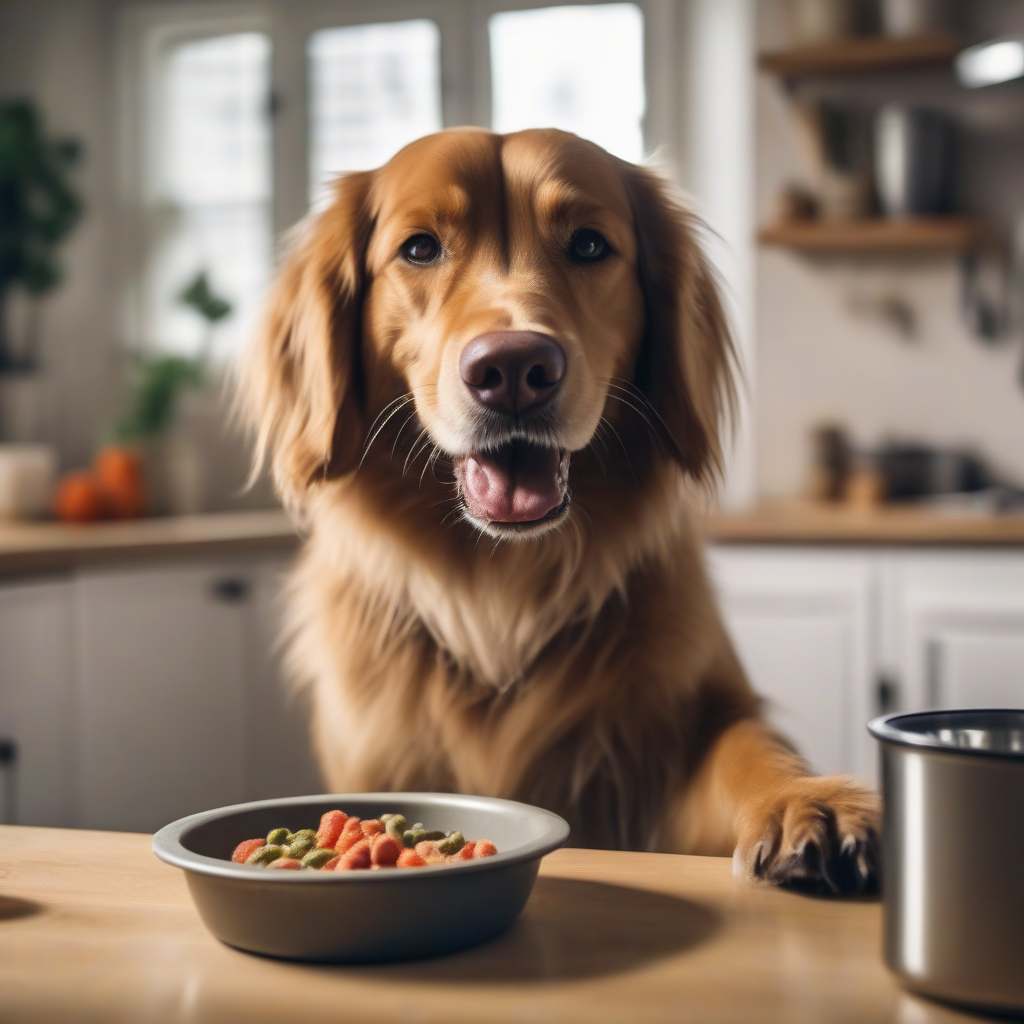
In this article, you will discover the insidious neurobiological effects of hidden chemical additives and preservatives found in processed dog foods on brain health, and learn the right nutritional choices for your furry friend.
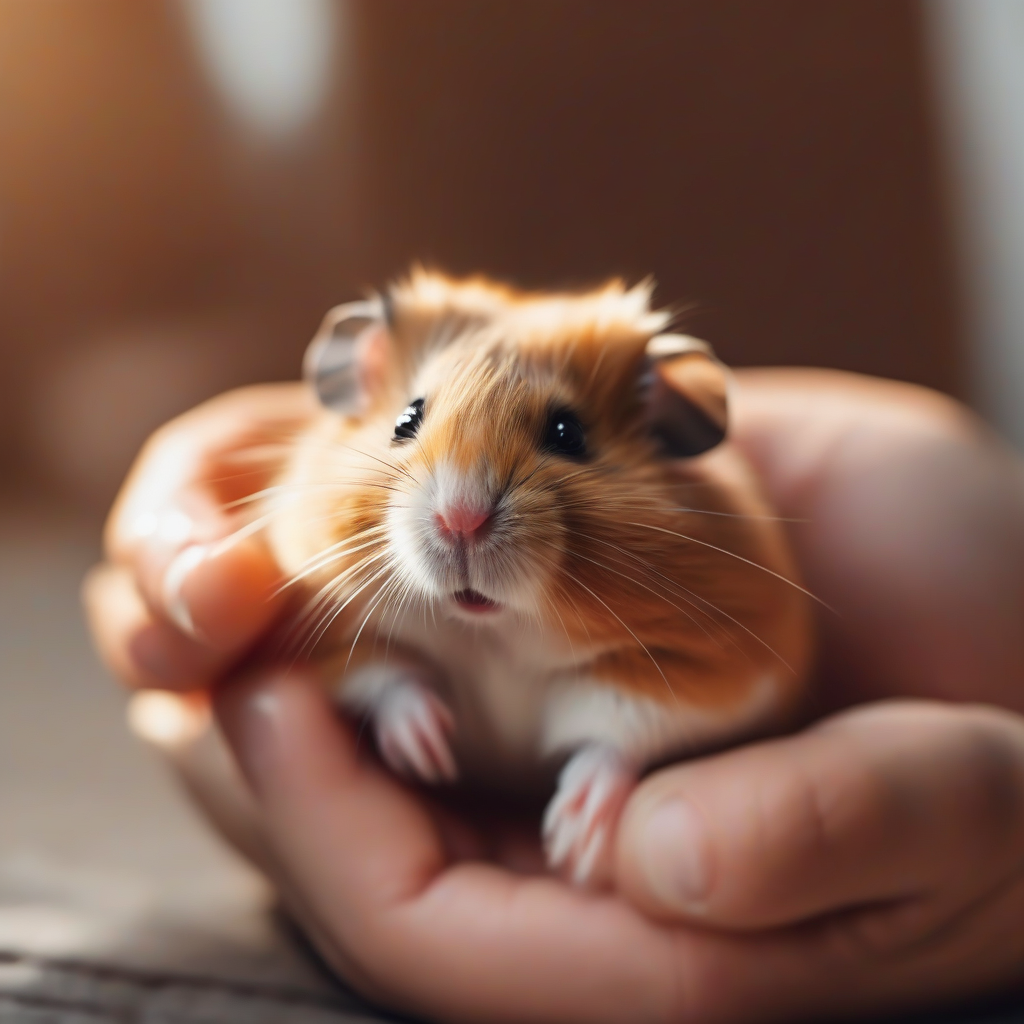
In this article, you will discover how to build a deep, lifelong bond with your hamster, the scientific secrets to understanding their unique neurocognitive profiles, and ways to avoid common mistakes.
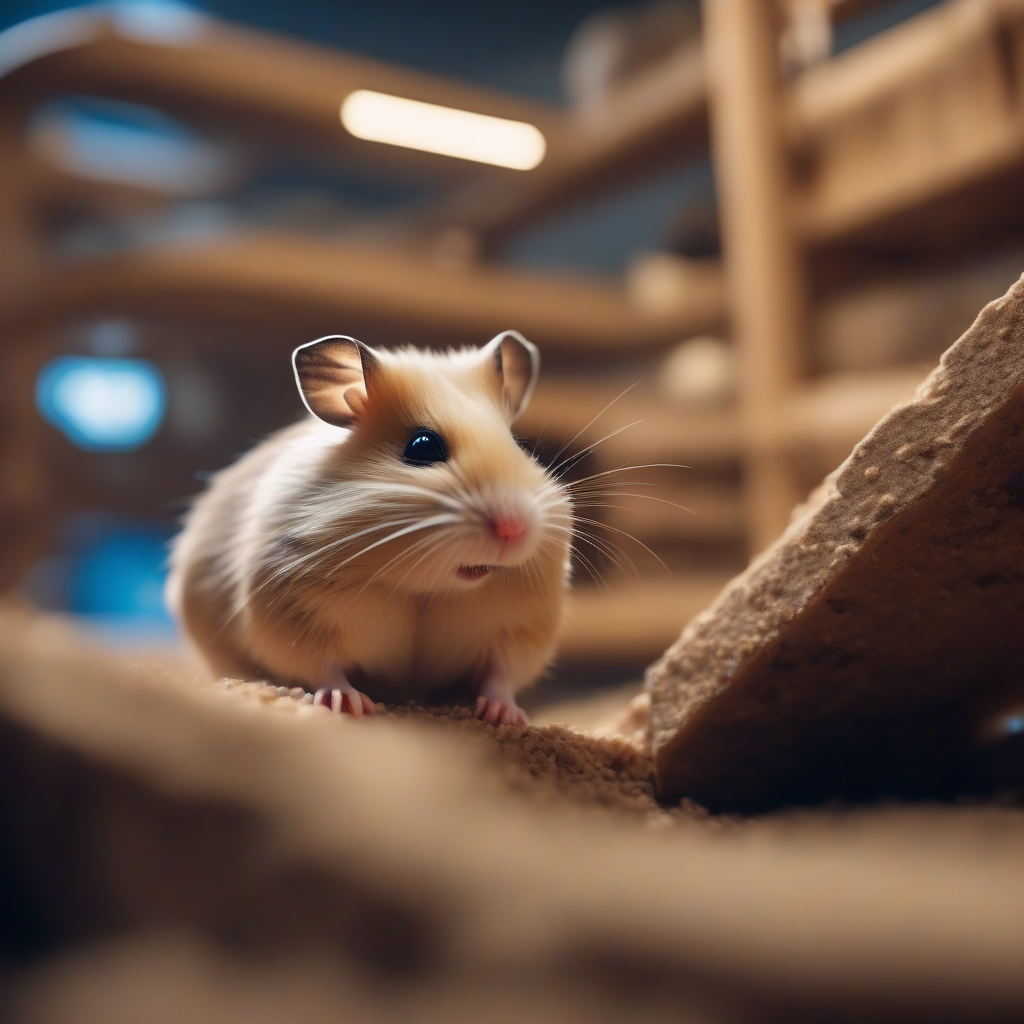
In this article, you will discover the critical role of environmental complexity in your hamster's habitat for their mental health, the insidious neurobiological effects of insufficient stimulation on the brain, and optimal mental enrichment strategies with scientific secrets.
Does your dog perform a command perfectly at home but seem to ignore it at the park? Or does a trick learned in a quiet environment fail to materialize on a busy street? This situation often stems from an incomplete 'Hidden Context Map' in your dog's brain. The ability for learned behaviors to be applied in different environments, with different people, and amidst various distractions is called 'generalization', and it is one of the most critical, yet often overlooked, components of dog training. Generalization is the neurocognitive bridge that makes every behavior, from a simple 'sit' command to complex tasks, functional in the real world. As of June 2026, our scientific understanding of this topic allows us to better comprehend why our dogs sometimes act 'unaware' in certain situations and helps us assist them more effectively.
Generalization is a dog's ability to transfer a behavior or response learned in a specific environment to a new, similar but not identical, environment, situation, or stimulus. For instance, if a dog learns to respond to the 'come' command at home, its ability to respond to the same command at the park, at the vet's office, or at a friend's house is a result of generalization. This ability is fundamental for the dog to make sense of the world, adapt to new situations, and navigate daily life safely and predictably. A lack of generalization can lead to confusion, frustration, and unwanted behaviors in the dog. This can lead owners to ask, 'Is my dog ignoring me?' a topic we address in our article Your Dog's 'Invisible Listening Shield': Why Do They Ignore You? 5 Neurocognitive Reasons and Training Solution Secrets!.
Your dog's brain encodes every stimulus, environment, and experience in its surroundings as a complex 'context map' via intricate neural networks. When a behavior is learned, it is linked not only to a specific stimulus but also to the environmental and internal context in which the learning occurred. Here are the main neurocognitive components of this context map:
The prefrontal cortex (PFC) is responsible for higher-level cognitive functions such as decision-making, problem-solving, and attention. In the generalization process, the PFC helps the dog distinguish similarities and differences between various environments. Working memory is the ability to hold and manipulate immediate information, allowing the dog to keep a command in mind despite new distractions.
The hippocampus plays a critical role in spatial memory and episodic (event-based) memory formation. It records in which environment and under what conditions a behavior was learned. When a dog enters a new environment, the hippocampus perceives differences or similarities with previous contexts, which influences whether the behavior will be generalized. A change in context can be a source of stress for dogs, as mentioned in the article Your Dog's 'Fear-Infused Stress Tunnels': 5 Neurobiological Thresholds in a New Environment and Secrets to Building Lasting Trust!.
The amygdala plays a central role in processing emotional responses, especially fear and anxiety. The emotional state in the environment where a behavior is learned and attempted to be generalized deeply affects the persistence and transfer of learning. A stressful or frightening experience can severely limit the ability to generalize. This is explored in more detail in our article Your Dog's 'Stress Scent Solvers': 5 Hidden Neurochemical Triggers Behind Sudden Training Failures!.
The basal ganglia are responsible for learning motor skills and forming habits. When a behavior is sufficiently repeated and generalized, the basal ganglia become involved, automating the behavior. This allows the dog to perform the command instinctively, without conscious thought.
Neurotransmitters such as dopamine, serotonin, and norepinephrine play key roles in learning, motivation, and memory consolidation. Dopamine, in particular, is associated with reinforcement and reward expectation and is crucial for the persistence and generalizability of behaviors, as highlighted in the article Your Dog's 'Understanding Cycle'? The Secret Neurobiological Keys of Positive Reinforcement and Secrets to Sustainable Training Success!.
To enhance your dog's learning ability and ensure behaviors are valid in different environments, you can use the following 5 neurocognitive key strategies:
The brain forms stronger and more flexible neural connections when exposed to various stimuli. Repeat a command not only in the living room but in different rooms, in the garden, at the park, on different surfaces, and with different people. By randomly changing the sequence and environment, your dog's brain learns the command as a general 'concept' rather than being tied to a specific context. This is important for the persistence of learning, as mentioned in the article Your Dog's 'Hidden Memory Keys': 5 Neurobiological Barriers Behind Recurring Training Mistakes and Secrets to Resolution!.
Build generalization by gradually increasing the level of difficulty. Start in a quiet and familiar environment, then move to a place with mild distractions (e.g., the garden). Afterward, progress to an environment with more distractions (e.g., a park). Move to the next step only after your dog's success is assured in each new environment. This layered approach allows the brain to process information securely.
For your dog to feel safe and comfortable in a new environment is fundamental for learning and generalization. Stress negatively impacts the brain's learning and memory centers. Begin with positive, short visits to new or potentially frightening environments, using plenty of rewards and praise. Read your dog's body language to identify signs of stress and, if necessary, stop training or change the environment.
Instead of always using the same reward or the same method of reinforcement, vary the reinforcement schedule. Sometimes use a high-value treat (a piece of meat), sometimes play, and sometimes just verbal praise. This strengthens the reward expectation circuits in your dog's brain, making the command itself more valuable, so they continue to exhibit the behavior regardless of the reward context.
Ensure your dog does not associate commands only with a specific 'cue' (e.g., a particular rug at home, your specific posture). By giving commands in different tones, different body positions, or even by different people, you help your dog understand the essence of the command independently of the environment. This encourages the brain to process the command as a more abstract and generalizable concept.
By decoding your dog's 'Hidden Context Map' in their brain, you not only teach them commands but also enable them to become a confident, adaptable, and happy individual in any environment. With these scientific strategies, you can strengthen the bond with your dog while maximizing their learning potential.
