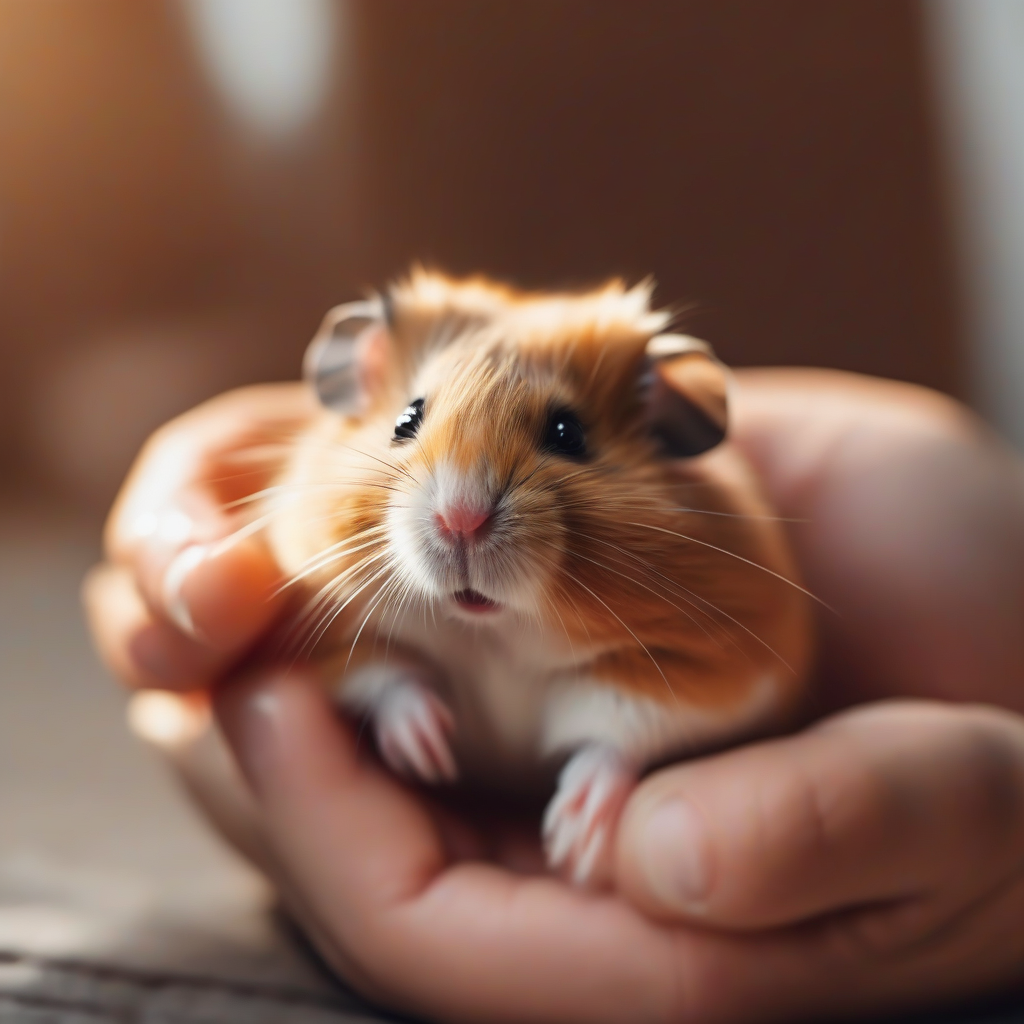
In this article, you will discover how to build a deep, lifelong bond with your hamster, the scientific secrets to understanding their unique neurocognitive profiles, and ways to avoid common mistakes.

In this article, you will discover how to build a deep, lifelong bond with your hamster, the scientific secrets to understanding their unique neurocognitive profiles, and ways to avoid common mistakes.

In this article, you will discover the critical role of environmental complexity in your hamster's habitat for their mental health, the insidious neurobiological effects of insufficient stimulation on the brain, and optimal mental enrichment strategies with scientific secrets.
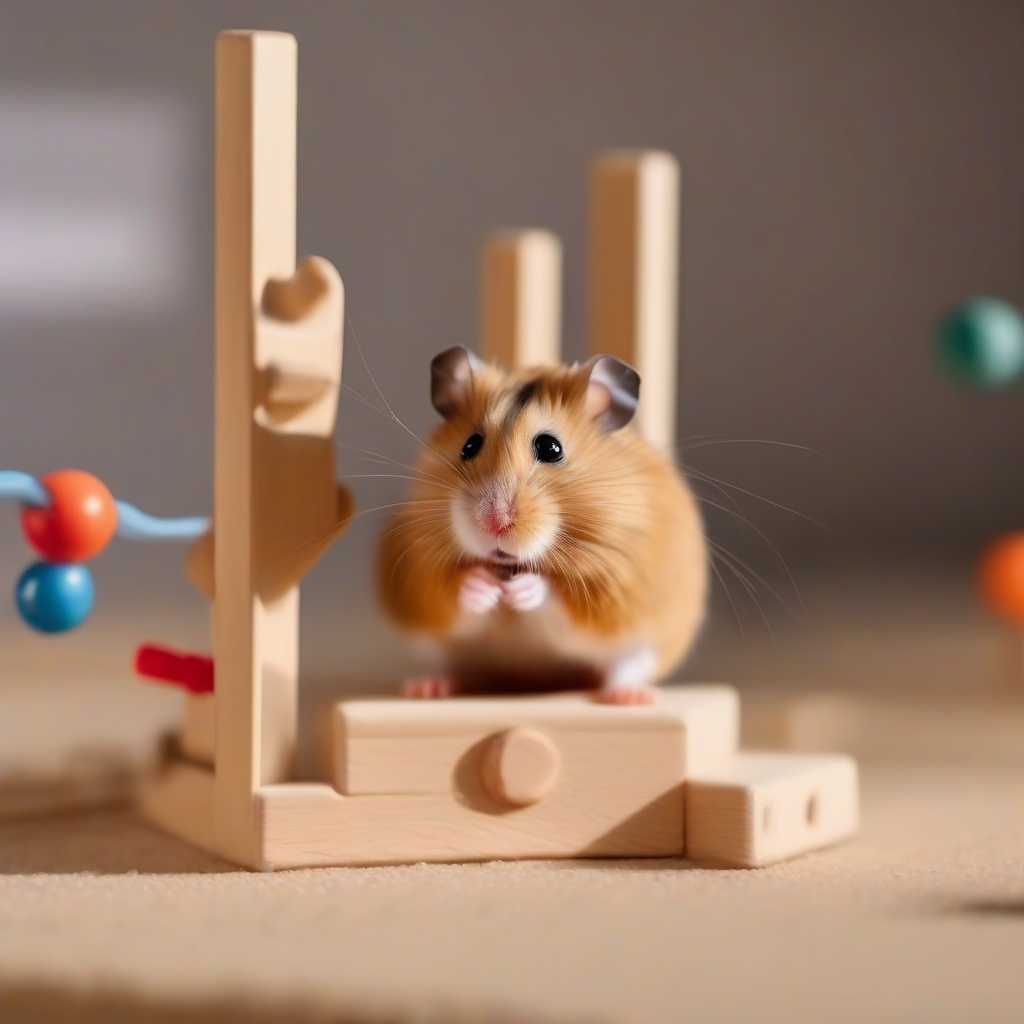
In this article, you will discover the neurocognitive effects of routine in hamster training, the profound secrets of consistent programs on brain chemistry, and scientific methods for faster, more effective learning for your pet.
Hamsters, despite their small size, possess surprisingly complex inner worlds. Building a deep, meaningful bond with these tiny companions, who often prefer solitude, is possible not just with patience and love, but also by understanding their unique neurocognitive (brain and behavioral science) maps. As of July 2026, our approaches to hamster adoption and socialization are increasingly based on their individual structures and scientific principles. In this article, we will delve into 5 neurocognitive secrets to forge a true friendship with your hamster, moving beyond a mere owner-pet relationship, and how to nurture this profound connection.
Each hamster has a unique neurocognitive profile shaped by their genetic predispositions, early life experiences, and environmental interactions. This profile determines how they will react to fear, new stimuli, and human interaction. Why one hamster quickly gets used to human hands while another avoids contact for months is entirely due to these individual differences. The first step to building a deep bond is learning to read your hamster's individual map.
Some hamster species (e.g., Syrian hamsters) are genetically more inclined to be solitary, while some dwarf hamster species may exhibit more social tendencies (though their potential for inter-species aggression remains high). Regardless of the species, a young hamster's first weeks with its mother and siblings, stress levels, feeding habits, and initial human contact experiences profoundly affect brain development and, consequently, their bonding potential. A hamster that has experienced traumatic early experiences may require much more effort and understanding to gain trust.
The bond between humans and hamsters relies on a mutual cycle of trust, strengthened by the release of bonding hormones like oxytocin. There's much you can do to scientifically support this process.
Hamsters' memory is quite strong, especially when associated with positive and negative experiences. Their hippocampus and amygdala regions encode experiences with emotional contexts, forming long-term memories. Gently approaching them, safely accustoming them to your hand, and offering treats create positive associations in their brains. This reinforces the effect of scents on recognition and memory, as highlighted in Your Hamster's 'Secret Scent Memory': 5 Insidious Neurocognitive Effects of Scent Cues in Training and Scientific Secrets to Lasting Learning!.
Oxytocin is a neuropeptide that enhances bonding and trust in both humans and animals. During calm, gentle, and consistent interactions, oxytocin release can be triggered in your hamster's brain. This lowers stress hormones (cortisol) and creates a perception of a safe environment. By avoiding excessive noise or sudden movements, you ensure your hamster remains calm, supporting the function of this hormone. Moreover, the initial steps mentioned in Your Hamster's 'Hidden Trust Protocol': 5 Neurocognitive Codes for Adapting to Human Contact and Scientific Secrets to Building a Lasting Bond! form the foundation of this process.
Hamsters love routines, and predictability is a signal of security for their brains. Interacting with them at the same time each day, with the same gentle approach, helps their brains code you as a reliable resource. Inconsistency or sudden changes increase stress, making bonding difficult. This is vitally important, especially for the first few days, as emphasized in Is Your Hamster's 'Social Architecture' Crashing? 5 Neurobiological Keystone Points of the First 7 Days in a New Home and Peace Codes!.
Hamsters express their emotions through subtle body language. Yawning, stretching, ear position, whisker movements, and even sleeping postures provide clues about their comfort or stress levels. Accurately reading these micro-signals allows you to understand their boundaries and adjust your interactions accordingly. A hamster showing a desire to explore in a peaceful environment, as discussed in Your Hamster's 'Hidden Exploration Drive': 5 Neurocognitive Secrets to Perceiving New Environments and Scientific Ways for Mental Vitality!, is usually a sign of a good mood.
Hamsters have sensitive ears capable of perceiving high-frequency sounds. Speaking in a calm, soft, and consistent tone of voice creates soothing effects in their brains. Loud noises or sudden sounds can trigger cortisol release. Calling their name or gentle murmurs can help them establish a positive auditory relationship with you. Your tone of voice plays a significant role in solidifying their trust in you.
Common mistakes in interacting with hamsters can hinder the bonding process:
The deep bond you form with your hamster is not only for their well-being but also a great source of joy for you. To maintain this special friendship:
By understanding your hamster's individual neurocognitive map and applying these scientific secrets, you will not only be a pet owner to your little friend but also open the doors to a deep and meaningful lifelong friendship. Remember, every small step forms the foundation of this great bond.
