
Discover the mysterious neurocognitive mechanisms behind your hamster's desire to explore and how they perceive new environments. Learn scientific strategies to boost their mental vitality.


In this article, you can find comprehensive information on how pancreatitis in dogs not only affects the digestive system but also insidiously impacts the brain, its neuroinflammatory mechanisms, and lifesaving emergency intervention strategies.

Discover the 5 insidious effects of overfeeding, one of the most stealthy threats to your fish's health, causing neurometabolic destruction in their brains, and learn scientific feeding strategies to prevent this demise. Uncover the silent danger in your aquarium!
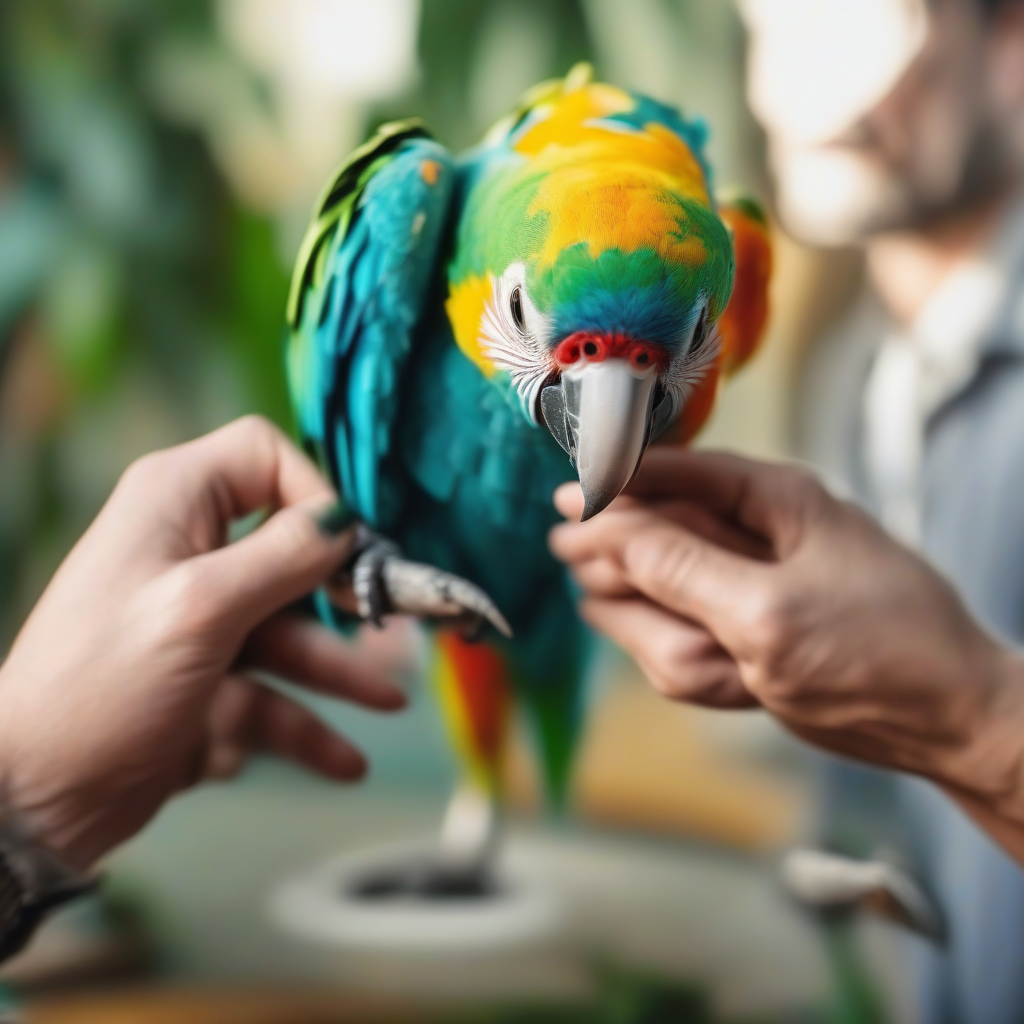
In this article, you will discover how your bird perceives human communication, the neurocognitive effects of common misunderstandings on its brain, and scientific strategies to build a genuine, healthy bond.
Despite their small size, hamsters are curious creatures with a vast desire for exploration. In their natural habitats, these tiny rodents dig miles of tunnels and explore extensive areas, viewing their environment as a constant source of information and challenge. However, in a domestic setting, your hamster's natural exploration drive can often be overlooked or misunderstood. This can lead to serious negative impacts on their mental health. As of July 2026, the latest neurocognitive research in veterinary science is allowing us to better understand how hamsters perceive new environments and the profound effects of this perception on their behavior.
In this article, we will delve into 5 neurocognitive secrets that trigger your hamster's 'hidden exploration drive' and enable them to make sense of new environments. We will also provide practical, evidence-based solutions on how you can use this scientific knowledge to enhance your pet's mental vitality and overall well-being. Understanding that your hamster is more than just a pet living in a cage, but possesses a complex mental world waiting to be explored, is the first step towards offering them a happier and healthier life.
At the core of a hamster's exploration drive lies the hippocampus, a region of the brain critical for spatial memory formation and the creation of 'mental maps' of new environments. When a hamster enters a new area or encounters a new object in its cage, the hippocampus rapidly begins processing this new information. Neurons encode environmental cues (scents, textures, sounds) to construct a 'cognitive map'. This map helps the hamster find safe routes, locate resources, and avoid potential dangers in that environment.
In hamsters that do not have sufficient exploration opportunities, hippocampal activity may decrease, leading to a decline in learning and memory capacity. In our article, Is Your Hamster's 'Hidden Den Stress' Crashing? 5 Insidious Neurobiological Effects of Insufficient Shelter Space and Happy Home Secrets!, we discussed these neurobiological effects of inadequate living space in more detail. For optimal mental development, providing your hamster with regular opportunities to safely explore new environments is vital.
Hamsters perceive the world not just with their eyes, but through multiple sensory inputs. Smell, touch (via their whiskers and paws), and hearing are as crucial as visual perception in their exploration processes, and in some cases, even more dominant. When exploring a new environment, the hamster's brain integrates different sensory information to build a more complete picture of its surroundings.
The integration of these sensory inputs occurs in brain regions such as the thalamus and cortex, allowing the hamster to understand its environment in a three-dimensional, dynamic way.
The motivational aspect of the exploration drive is governed by neurotransmitters, particularly dopamine, located in the brain's reward system. Exploring the new and unknown triggers dopamine release in the hamster's brain. This "feel-good" chemical reinforces exploratory behavior and encourages the hamster to investigate further.
When a new tunnel system, a different toy, or a safe outdoor play area is introduced, the hamster's curiosity is piqued, and thanks to this dopamine surge, the exploration process becomes enjoyable. This reward system evolved for vital behaviors in their natural habitat, such as finding food or discovering safe shelters. In pet hamsters, we can support their mental health by stimulating this system appropriately.
Exploration also carries potential risks. The amygdala in the hamster's brain is the primary center for managing fear and threat perception. When encountering a new environment, the amygdala quickly assesses potential dangers. However, this doesn't halt exploration; instead, it makes it more cautious and strategic.
The hamster slowly inspects a new area, sniffing and listening, seeking escape routes, and identifying points where it feels secure. Once it feels safe, exploration becomes bolder. This is a complex interaction between the amygdala and the prefrontal cortex; the prefrontal cortex modulates the amygdala's exaggerated responses, allowing for a more logical risk assessment. This delicate balance enables the hamster to ensure its safety while satisfying its curiosity.
Every new experience leads to physical changes in the hamster's brain. This process, called synaptic plasticity, refers to the strengthening or weakening of connections between neurons. Exploratory actions, such as finding a way through a new maze or examining an unfamiliar object, create new synaptic pathways in the brain and strengthen existing ones. This allows the hamster to learn its environment more effectively and adapt better to similar situations in the future.
Providing continuous new exploration opportunities keeps the hamster's brain active and helps maintain sharp cognitive abilities. Our article, Your Hamster's 'Secret Mind Maze': 5 Neurocognitive Secrets to Boosting Problem-Solving Skills and Scientific Training Tactics!, emphasizes the importance of problem-solving skills. For mental vitality, not only physical exercise but also cognitive stimulation is essential.
Here are some scientific strategies you can implement to nurture your hamster's natural exploration drive and support its mental vitality:
Your hamster's 'hidden exploration drive' is not just a quest for entertainment but a fundamental need for a healthy mental life. Complex neurocognitive processes, ranging from hippocampal activity to dopamine release in the brain, are at the core of their ability to understand and adapt to the world. By understanding these secrets and providing your pet with adequate mental stimulation and safe exploration opportunities, you can ensure they lead a happier, healthier, and more vibrant life. Remember, their small size does not change the fact that a great mind resides within.
