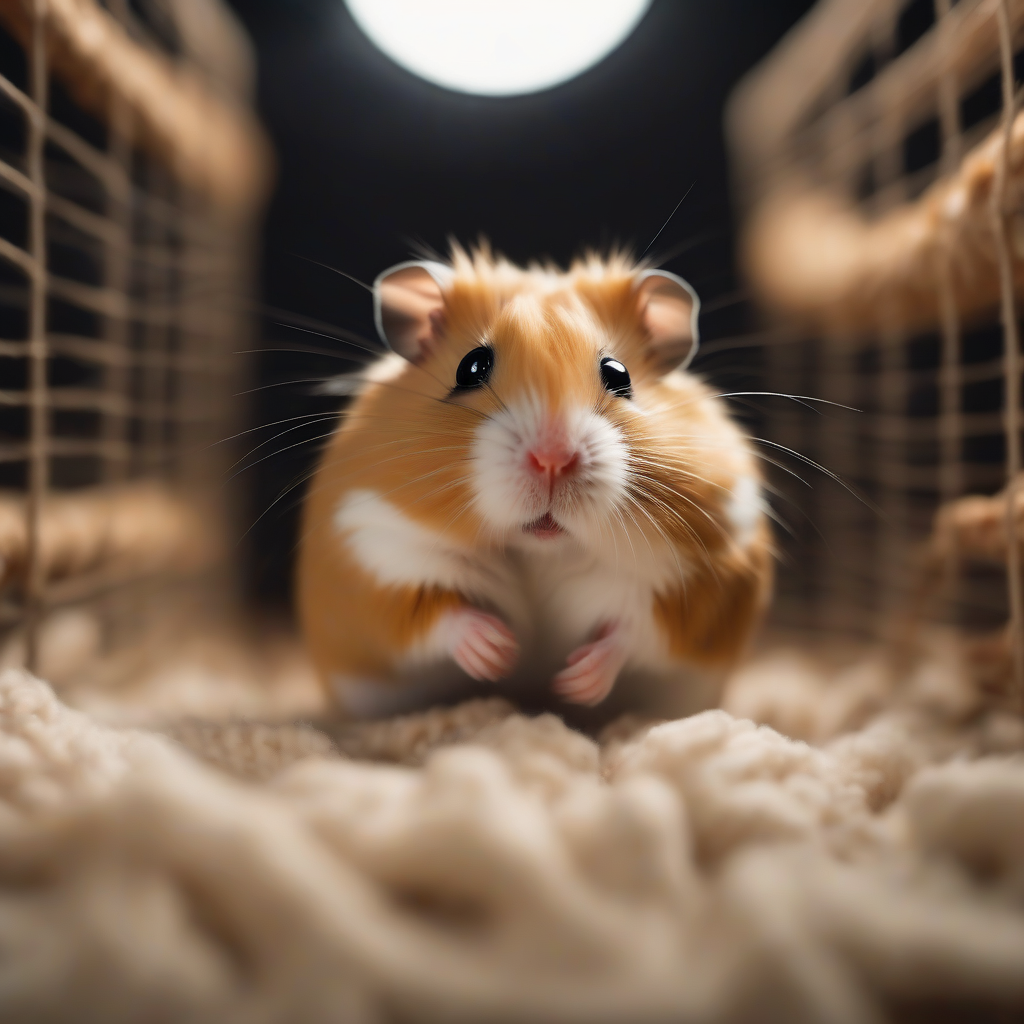
In this article, you will learn about the 5 insidious neurobiological effects of hidden den stress triggered by insufficient shelter space in your hamster's habitat and the scientific secrets to creating a happy home.


While cats possess a surprising ability to adapt to high-rise fall traumas, the insidious neurophysiological effects on their brain carry vital risks. In this article, we reveal 5 critical neurobiological effects your cat may experience after a fall and the lifesaving emergency intervention codes with scientific secrets.

In this article, you will discover how your rabbit copes with unexpected situations and its neurocognitive responses to non-routine events. Learn scientific secrets to enhance mental flexibility and manage stress.

In this article, you will find comprehensive information on the insidious neurophysiological effects of seizures in cats' brains and lifesaving emergency intervention codes during a seizure.
Hamsters, despite their small size, are creatures with complex neurological and behavioral needs. Their survival instincts in natural environments deeply influence their need to build a safe shelter or den. The living spaces of hamsters we keep as pets today are far from their natural habitats. However, this does not mean their shelter needs diminish. On the contrary, inadequate and unsecure shelter spaces can lead to a subtle problem we can call 'hidden den stress' in hamsters. This can profoundly affect their physical and mental health.
For a hamster, a 'space' is not just a place to sleep and wake up; it's also an area where they explore, hide, feel secure, and express themselves. The lack of space for adequate digging, hiding, and building their own 'den' increases a hamster's stress levels. This stress often doesn't manifest in obvious ways, hence why it's called 'hidden.' However, it causes significant changes in their brains and physiology.
Insufficient den space triggers a chronic stress response in hamsters. This leads to constantly high levels of cortisol, the stress hormone. High cortisol levels can cause excessive hair loss, loss of appetite, disruptions in sleep patterns, and aggressive behaviors in hamsters. Furthermore, behavioral abnormalities such as avoiding social interaction or overreacting can also be observed. This situation seriously negatively impacts the hamster's overall well-being.
In their natural environments, hamsters spend a lot of time searching for food, building nests, and exploring their surroundings. A cage lacking adequate digging space and hiding spots prevents these natural instincts. Consequently, the hamster's mental stimulation decreases. This leads to mental stagnation, boredom, and an increase in stereotypical (repetitive and meaningless) behaviors. Such behaviors are a direct result of insufficient digging space, as detailed in articles like Hamster Cage's Hidden 'Stress Canyons': The Invisible Neurobiological Effects of Insufficient Digging Space and Happy Home Secrets.
Chronic stress suppresses the immune system. A hamster's body, under constant stress, becomes more vulnerable to infections and diseases. This negatively affects the hamster's overall health, leading to more frequent illnesses and a shortened lifespan. Digestive issues and infections are particularly common in this situation. Topics like Hamster Food Bowl's 'Hidden Protein Trap': 5 Insidious Nutritional Secrets Triggering 'Silent Inflammation' and Strategies to Strengthen Your Digestive Shield! are important for maintaining general health, but the impact of stress on immunity should also not be overlooked.
Hamsters are naturally nocturnal animals. A safe and dark den is critical for them to have a healthy sleep cycle. Insufficient hiding space means the hamster does not feel secure and is constantly on alert. This degrades sleep quality, leading to frequent awakenings and insufficient rest. This is closely related to anxiety zones discussed in the article Your Hamster's 'Silent Anxiety Zones': Hidden Neurobiological Effects of Inadequate Sleep Environments and Scientific Secrets to Peace!.
While some hamster species (e.g., Syrian hamsters) prefer to live alone, others (e.g., Roborovski hamsters) can live in groups. However, even for hamsters living in groups, providing sufficient individual hiding spaces and escape routes is essential. Otherwise, competition for space increases, leading to unease, fights, and even isolation. Is Your Hamster's 'Social Architecture' Crashing? 5 Neurobiological Keystone Points of the First 7 Days in a New Home and Peace Codes! emphasizes the importance of the early period in this regard.
To ensure your hamster's well-being, it is crucial to design their living space correctly. Here are science-based tips:
Deep and Spacious Digging Environment: A hamster's natural instinct is to dig. Fill the cage base with at least 20-30 cm of suitable bedding material (wood shavings, hemp fiber, paper-based bedding). This allows them to burrow and exhibit natural behaviors. Hamster's Brain's 'Hidden Digging Intelligence': 5 Neurobiological Secrets Behind Digging Behavior During Stressful Moments & Behavioral Adaptation Strategies Through Training! offers deeper insights into this.
Multi-Layered Hiding Spots: Add multiple hiding areas to the cage by using homemade tunnels, ceramic dens, coconut shells, or specially designed toy hides. This helps the hamster feel secure and have a choice.
Variety of Materials and Textures: Offering materials with different textures enhances the hamster's sensory stimulation. Use various items such as wooden pieces, stones, toys made of different fibers (safe ones), and chew sticks. Your Hamster's Secret 'Burrowing Area' Crises: Behavioral and Neurological Impacts of Insufficient Digging Space highlights the importance of selecting the right materials.
Appropriate Lighting and Temperature: Hamsters are sensitive creatures. They should not be exposed to direct sunlight. Keeping rooms dimly lit and avoiding overheating supports their natural sleep cycles. Your Hamster's Secret 'Melatonin Rhythm': Neurobiological Effects of Light Spectrum and Secrets to Optimal Sleep Cycle! focuses on this topic.
Safe Play and Exploration Areas: Outside the cage, after ensuring the hamster's safety, offer controlled play areas. This helps them explore new objects and stay mentally stimulated. Your Hamster's 'New Object Bewilderment': 5 Hidden Neurocognitive Responses to the Unknown and Scientific Secrets of Safe Exploration! explains how to manage this exploration process.
In conclusion, when designing your hamster's habitat, you must consider not only aesthetics but also their deepest neurobiological needs. Adequate shelter space is not just a cage full of materials; it is the cornerstone of your hamster's physical and mental health. Remember, a happy hamster is a product of a loving home.
