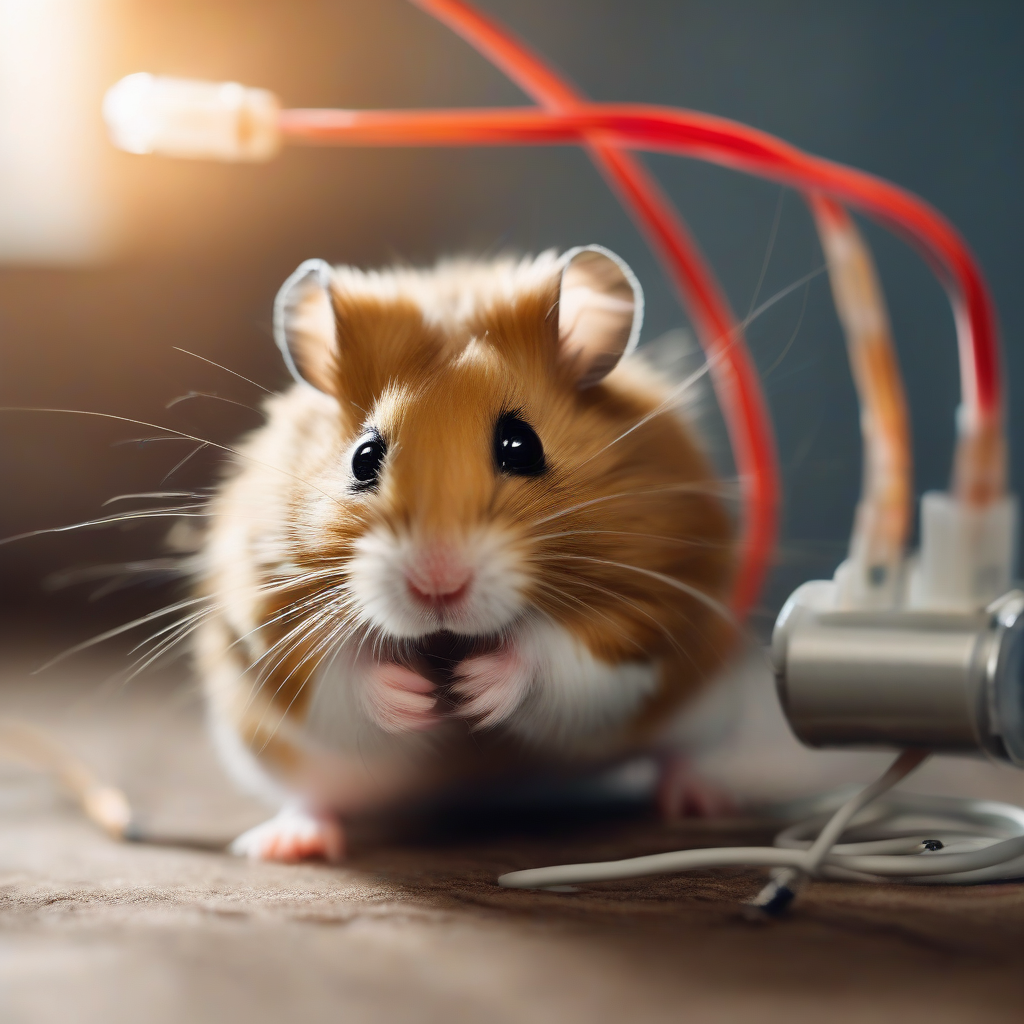
In this article, we delve into the 5 insidious neurophysiological effects of household electrical shock on your hamster's brain and body. You will also discover lifesaving emergency intervention codes for these critical moments and scientific strategies for prevention.


In this article, you will discover the profound neurocognitive effects of cage shape and volume, often overlooked in bird cage selection, on your bird's brain health. Learn scientific secrets to enhance your bird's mental well-being through optimal habitat design.

In this article, you will discover how your fish perceive visual cues and daily routines in the aquarium, the role of memory mechanisms in this process, and scientific training secrets you can apply to enhance their mental vitality.

In this article, you will discover the profound neurosensory effects of aquarium substrate on fish brain health and behavior, and scientific secrets for an optimal habitat.
Our tiny friends, hamsters, are prone to many hidden dangers in the home due to their curious nature and chewing habits. One of these dangers, unfortunately, is the risk of exposure to electric current. An electrical shock, which can happen in the blink of an eye, can cause devastating and insidious neurophysiological effects in your hamster's body, especially in the brain and nervous system. In this article, we will detail the 5 insidious neurophysiological effects of electrical shock on your hamster's brain, the lifesaving emergency intervention codes you should apply in such a crisis, and most importantly, the scientific precautions you can take to prevent such tragedies.
When electric current passes through the body, it creates immediate and dramatic effects on nerve cells, muscles, and organs. In small and delicate creatures like hamsters, these effects can be much more severe.
Electric current directly affects ion channels, disrupting the normal electrical activity of nerve cells. This instantly interrupts the ability of nerves to transmit messages. As a result, the hamster may experience uncontrolled muscle contraction (tetany) or complete paralysis. This communication disorder between the brain and muscles can cause the animal to be unable to move, fall, or remain rigid in place. This directly affects the control mechanisms of the brain's motor cortex, reducing coordination and motor skills to zero.
Electric current has a direct effect on myocardial cells, the muscle cells of the heart. This effect can disrupt the heart's regular electrical signals, leading to serious cardiac arrhythmias. Ventricular fibrillation, in particular, is the most dangerous condition where the heart stops pumping blood, posing a life-threatening risk. When cardiac arrest occurs, the oxygen supply to the brain is suddenly cut off. This quickly leads to loss of consciousness and, if not intervened, irreversible brain damage or death. The effects on the nervous system in cases of acute stroke can show similar symptoms.
Electric current can affect the respiratory center and diaphragm muscles. Since the diaphragm is the primary muscle for breathing, paralysis of these muscles causes the hamster to be unable to breathe. This results in asphyxia (suffocation). The lack of oxygen reaching the body and brain (hypoxia and anoxia) rapidly leads to irreversible damage to brain cells. When you notice your hamster is not breathing, every second is critically important.
The effect of electric current on neurons in the brain can cause an imbalanced release of neurotransmitters (chemical messengers between nerve cells). Excessive glutamate release, in particular, can lead to excitotoxicity in neurons, causing cell death. This overstimulation can cause the animal to have seizures. Seizures are characterized by uncontrolled and excessive electrical discharge in the brain, and recurrent seizures can further increase brain damage.
As electric current passes through the body, it causes an increase in temperature in the tissues it traverses. This thermal energy can lead to denaturation of proteins (disruption of their structure) and cell death (necrosis). While burns can occur on the skin, damage can also occur in internal organs, particularly brain tissue. Thermal damage to blood vessels disrupts blood flow, increasing the risk of secondary cerebral edema. Body temperature imbalance in your hamster can develop very quickly during such a crisis, worsening the situation.
In the event of an electrical shock, rapid and correct intervention can save your hamster's life. Try to stay calm and follow these steps:
Code 1: Your safety first! Never touch your hamster with bare hands. First, cut off the electrical source: unplug the appliance or trip the main circuit breaker. If you cannot do this, use an insulating material (such as a dry wooden stick, plastic broom handle, or towel) to move your hamster away from the current source.
Code 2: Rapid assessment. After moving your hamster to a safe place, quickly check if it is breathing and if there is a heartbeat. You can check its breathing by holding a small mirror or your fingertip near its nostrils. For a heartbeat, gently touch its chest or listen by bringing your ear close.
Code 3: Mini-CPR and Artificial Respiration. If your hamster is not breathing or has no heartbeat, you may need to perform mini-CPR techniques that you might have learned from your veterinarian beforehand. However, this is a very delicate intervention requiring expertise. For a small animal, artificial respiration usually involves gently blowing into its mouth and chest compressions. Professional help is essential for acute trauma-related emergencies like these.
Code 4: Burn treatment. Electrical shock often causes burns. If there are burns, gently wash the burned area with lukewarm (not cold) water and cover it with a sterile gauze pad. Never apply ointments, oils, or ice.
Code 5: Contact a veterinarian as soon as possible! No matter how mild the situation seems, every hamster exposed to electrical shock needs urgent veterinary examination. Internal organ damage or neurological complications may not be immediately apparent. While transporting, keep your hamster in a warm, dark, and quiet carrier, and if possible, cover it with a blanket.
The best way to prevent tragic events like electrical shock is to take precautions beforehand. Creating a safe living space for your hamster is crucial.
Remember, your hamster's health and safety are in your hands. Anticipating potential dangers and taking preventive steps will ensure your tiny friend lives a long and happy life. Being prepared for emergencies makes a lifesaving difference.
