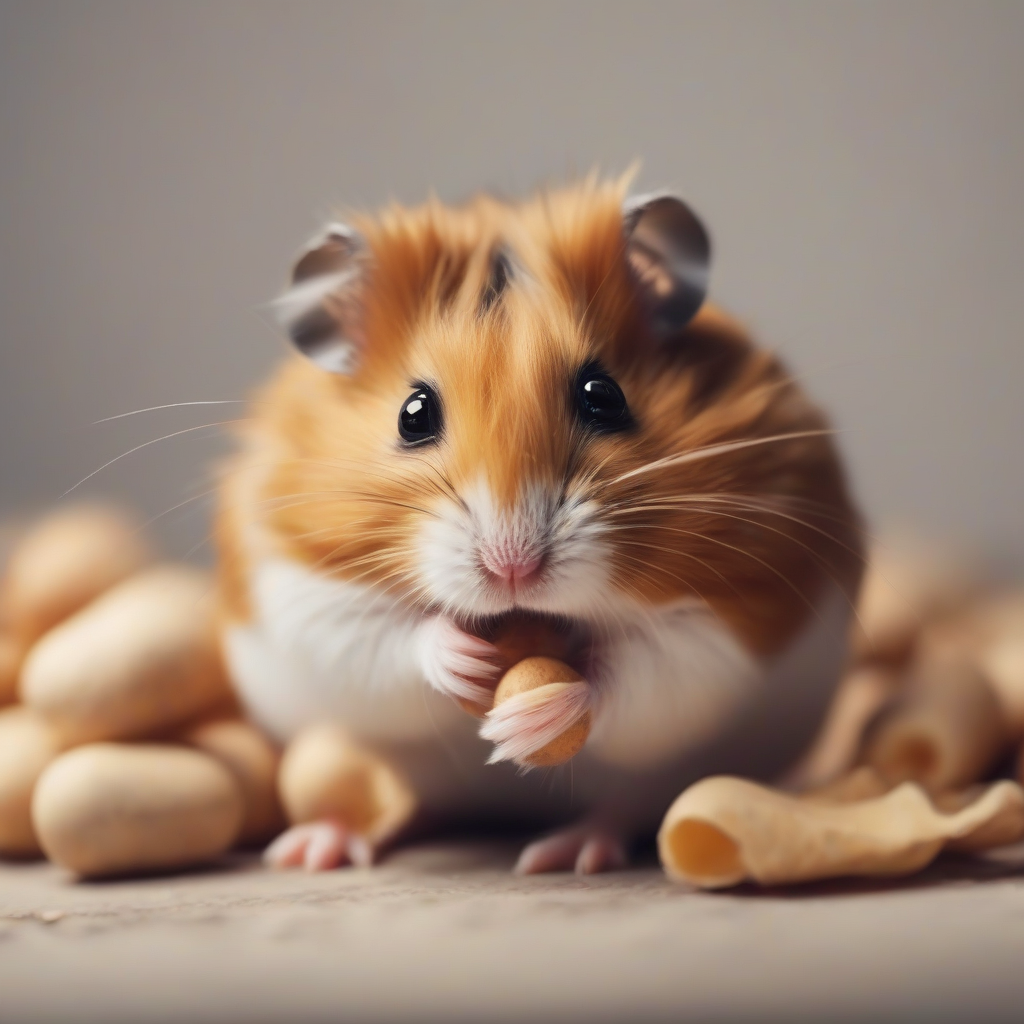
In this article, you will find comprehensive information on the insidious neurophysiological signs of internal bleeding that can develop in hamsters after acute trauma, and the scientific intervention codes that can save lives in such an emergency.


While cats possess a surprising ability to adapt to high-rise fall traumas, the insidious neurophysiological effects on their brain carry vital risks. In this article, we reveal 5 critical neurobiological effects your cat may experience after a fall and the lifesaving emergency intervention codes with scientific secrets.

In this article, you will discover how your rabbit copes with unexpected situations and its neurocognitive responses to non-routine events. Learn scientific secrets to enhance mental flexibility and manage stress.

In this article, you will find comprehensive information on the insidious neurophysiological effects of seizures in cats' brains and lifesaving emergency intervention codes during a seizure.
The fragile nature of our tiny companions leaves them vulnerable to unexpected traumas. Falls, cage accidents, or inappropriate exercise equipment can lead to internal bleeding in hamsters, which is difficult to detect externally but poses a life-threatening risk. These 'invisible crisis' moments can be a major source of panic for pet owners. However, by correctly interpreting neurophysiological signals, you can perform critical first aid interventions that could save your little friend's life. In this article, we will delve into 5 insidious neurophysiological signs of internal bleeding that can develop in your hamster after acute trauma, and the scientific intervention codes you should apply in such an emergency.
Hamsters, due to their small size and rapid metabolism, are highly susceptible to traumatic shock and blood loss. A sudden impact or fall can cause organ ruptures or vascular damage, leading to internal bleeding within the body without any visible external wound. This situation quickly leads to destructive effects on the nervous system. While pain receptors are activated, the body initiates a "fight or flight" response, releasing adrenaline and cortisol. However, as blood loss increases, peripheral circulation deteriorates, oxygen supply to the brain diminishes, and neurological functions are disrupted. This physiological chain reaction leads to distinct, yet often misinterpreted, changes in the hamster's behavior and physical condition.
Internal bleeding is a sneaky enemy that makes early diagnosis difficult due to its lack of external symptoms. However, with careful observation, you can catch the neurophysiological alarm signals your hamster's body sends:
One of the most critical consequences of internal bleeding is shock. As the body loses blood, insufficient blood flow is supplied to the brain and other vital organs. This causes the hamster's heart rate to increase, but their pulse to weaken. Gums may appear pale or bluish, and ears and paws may feel cold. This is a sign that the body is restricting peripheral circulation while trying to direct blood to vital organs. This neuro-vascular response is similar to the fundamental mechanisms of shock, which are examined in more detail in our article Your Cat's 'Silent Shock' Alarm: The Body's 5 Hidden Neurobiological Defense Mechanisms and Lifesaving Emergency Intervention Codes!.
Blood loss reduces the oxygen-carrying capacity of red blood cells. Your hamster may struggle to breathe, taking rapid and shallow breaths, or conversely, showing irregular and slow respiration. Nostrils may flare, and they might start using their abdominal muscles for breathing. These neuro-respiratory changes indicate that the brain is not receiving enough oxygen and the body is trying to compensate for oxygen deprivation.
Internal bleeding affects your hamster's neurological status by reducing blood flow to the brain. Even if your hamster may not experience Your Hamster's Sudden Seizures: 5 Insidious Neurocognitive Triggers and Lifesaving Emergency Intervention Protocols! immediately after acute trauma, they will typically exhibit extreme lethargy, unresponsiveness, loss of balance, staggering gait, or complete paralysis. Differences in pupil size or unresponsiveness to light can also indicate pressure on the central nervous system. These conditions can arise through similar mechanisms to the states of consciousness loss described for dogs in our article Your Dog's 'Hidden Emergency Brain': 5 Insidious Neurological Triggers Behind Loss of Consciousness and Lifesaving 5-Second Intervention Codes!.
Hamsters are masters at hiding pain. However, internal bleeding can cause severe pain. Your hamster may hunch, protect their abdominal area, become sensitive to touch, or constantly lick themselves. Teeth grinding is also a sign of pain. Stress due to pain can further disrupt heart rate and respiration, leading to a vicious cycle. Particularly, hardening or tension in the abdominal area is a strong indicator of severe internal bleeding.
A drop in body temperature (hypothermia) and paleness of mucous membranes (gums, inside the eyes) are among the most obvious outward manifestations of blood loss and circulatory failure. Gums, normally pink, may turn white or very pale pink in cases of internal bleeding. Body temperature may feel noticeably low when you touch them. These physiological responses are neuroendocrine signs that the body is trying to conserve energy and maintain the function of vital organs.
When you notice one or more of these symptoms in your hamster, time is of critical importance. Here are the scientific first aid steps you should take:
The risk of internal bleeding in your hamster after acute trauma is a critical situation that every pet owner should be aware of. Recognizing the 5 insidious neurophysiological signals your body sends and knowing the emergency intervention codes can save your tiny friend's life. Remember, even with the slightest suspicion, seeking veterinary attention without delay is the most accurate and scientific approach. Your hamster's health is directly related to your attention and ability to act quickly.
