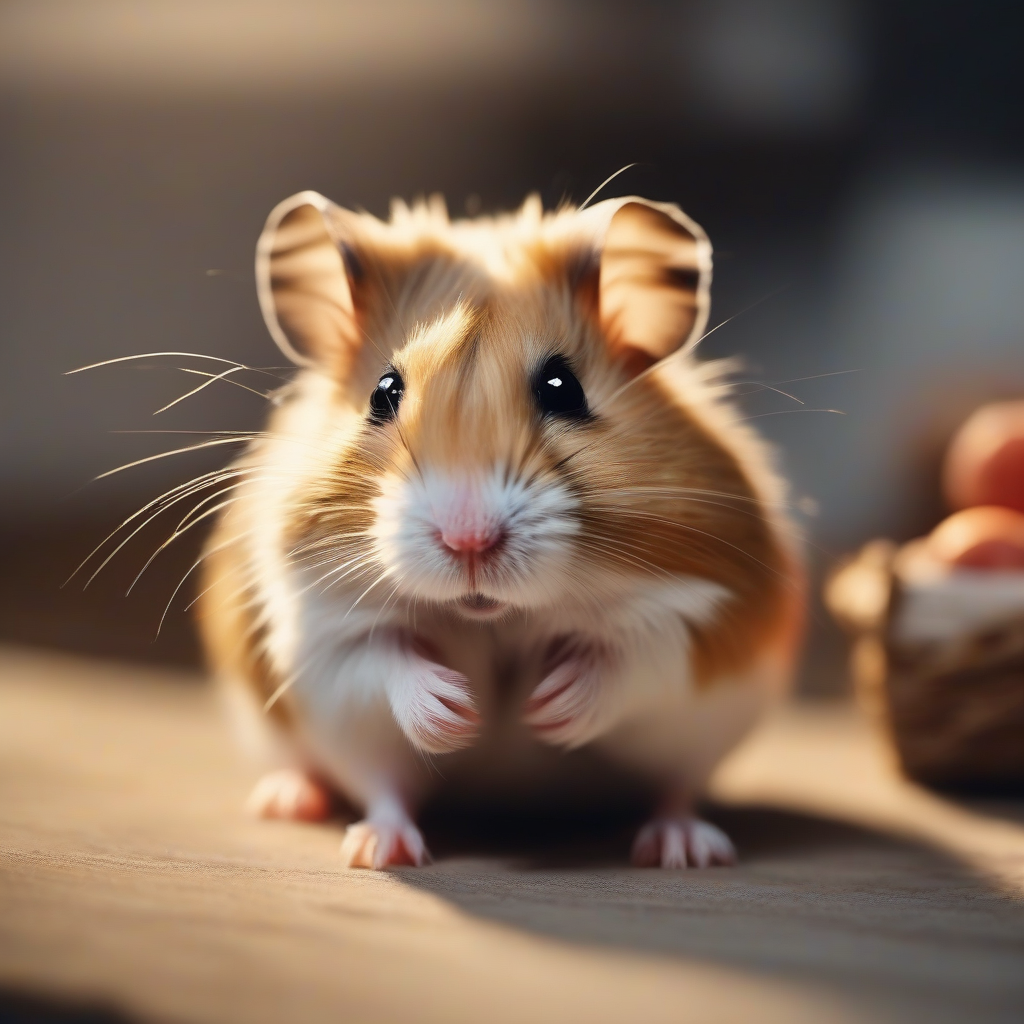
In this article, you can discover the insidious effects of body temperature imbalance on your hamster's brain and its neurobiological consequences, and learn scientific care strategies for optimal thermal comfort.

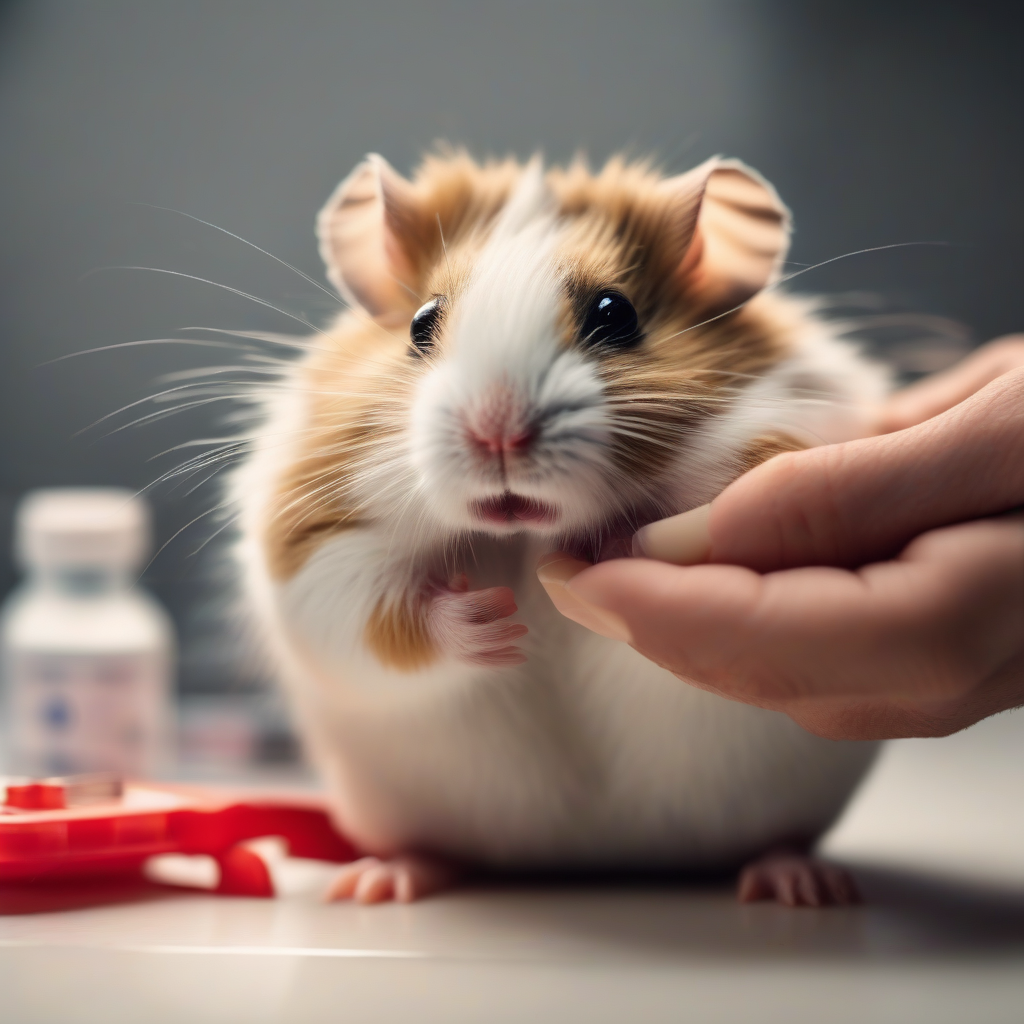
Acute respiratory obstruction, or choking, in your hamster is one of the most urgent, life-threatening emergencies. In this article, we will delve into the 5 insidious neurophysiological effects of choking on your hamster's brain and the lifesaving emergency intervention codes you can apply in this critical situation. Swift and correct action can save your tiny friend's life.

In this article, we scientifically examine the 'shadow of the past' carried in the brains of rehomed birds, exploring the neurocognitive effects of old home connections and secrets to building lasting trust in their new homes.

Adequate water intake is fundamental for your cat's overall health and especially brain function. This article deeply explores the insidious neurobiological effects of chronic dehydration on your cat's brain and offers lifesaving scientific hydration strategies.
Our tiny friends, hamsters, are extremely sensitive to even the slightest changes in their environment due to their size. Particularly, the temperature of their living space has surprisingly profound effects on their overall health, behavior, and even brain functions. Often overlooked, this thermal balance can be a source of 'invisible stress' for hamsters and can lead to serious neurobiological consequences in the long run. So, why is your hamster's body temperature so crucial, and what insidious effects does imbalance create in their brain? In this article, we will examine this vital topic in light of scientific data and reveal lifesaving care secrets.
Hamsters, in their natural habitat, must meticulously regulate their body temperature to survive. This thermoregulation process is controlled by a deep brain region called the hypothalamus. The hypothalamus acts like the body's internal thermostat, sensing external temperature changes and triggering a series of physiological responses to maintain body temperature within an ideal range. However, this system can be overloaded and stressed under suboptimal conditions, leading to a cascade of neurobiological imbalances.
The hypothalamus processes signals from thermoreceptors that detect temperature changes. It coordinates responses such as sweating (hamsters don't sweat but dissipate heat through their skin) in excessive heat or shivering in cold. However, the capacity of these mechanisms is limited in small rodents like hamsters. Prolonged or sudden thermal changes can cause the hypothalamus to overwork, negatively affecting overall brain functions.
Thermal stress can lead to an imbalance in brain chemistry. Specifically, levels of serotonin and dopamine, neurotransmitters responsible for mood, sleep, and motivation, can be affected. When the hypothalamus is stressed, the production and release of these neurotransmitters can be disrupted, leading to significant changes in the hamster's behavior and overall well-being. This directly impacts the animal's general psychological state.
Temperature fluctuations or suboptimal thermal conditions in your hamster's environment can have unnoticed but devastating effects on their brain. Understanding these insidious effects is critical to providing them with a better living space.
Research indicates that chronic thermal stress reduces cognitive flexibility and learning capacity in mammals. Brain regions associated with memory and learning, such as the hippocampus, are sensitive to temperature stress. Your hamster may struggle with exploring its environment, navigating complex mazes, or learning simple training commands. This negatively impacts their overall mental vitality.
Imbalance in body temperature can lead to noticeable behavioral changes in hamsters. Excessive heat can trigger irritability and aggression, while prolonged cold can cause lethargy, drowsiness, and loss of activity. This can also negatively impact social interactions, as mentioned in the article Is Your Hamster's 'Social Architecture' Crashing? 5 Neurobiological Keystone Points of the First 7 Days in a New Home and Peace Codes!, disrupting the hamster's relationship with its environment.
Thermal stress leads to the overproduction of stress hormones like cortisol by the adrenal glands. Chronic high cortisol levels can damage brain cells, especially reducing neuronal plasticity in the hippocampus, and can trigger anxiety- and depression-like states in the long term. This can cause your hamster to appear constantly tense or fearful.
Suboptimal temperatures can disrupt hamsters' natural circadian rhythms and sleep cycles. Excessive heat or cold can make it difficult to enter deep sleep stages, leading to insufficient rest. As highlighted in the article Your Hamster's Secret 'Melatonin Rhythm': Neurobiological Effects of Light Spectrum and Secrets to Optimal Sleep Cycle!, melatonin secretion can be affected by temperature, directly impacting sleep quality and jeopardizing their overall health.
Chronic stress and sleep disturbances weaken the hamster's immune system. The body becomes more vulnerable to infections and diseases. A weakened immune system increases the risk of respiratory infections, skin problems, and other health issues, significantly reducing their quality of life.
Ensuring your hamster's thermal comfort is vital for their health and well-being. Here are scientific care strategies you can implement:
The ideal room temperature for hamsters is generally between 20-22°C (68-72°F). Sudden temperature fluctuations should be avoided. Humidity levels should be maintained between 40-60%. Excessive humidity can lead to respiratory problems, while excessive dryness can cause skin irritation. Regularly check the environment using a thermometer and hygrometer.
The placement of the cage is crucial. Avoid areas that receive direct sunlight or are near heat sources like air conditioners/heaters. The cage material also plays a role in heat insulation. Glass aquariums can trap heat if ventilation is not properly maintained. Ensure the cage has adequate airflow, but do not expose it to direct drafts. The shelter space recommendations in Is Your Hamster's 'Hidden Den Stress' Crashing? 5 Insidious Neurobiological Effects of Insufficient Shelter Space and Happy Home Secrets! will also support thermal comfort.
Hamsters, due to their natural instincts, dig tunnels and build hiding places to regulate their body temperature. Provide plenty of burrowing material (linen bedding, wood shavings, etc.) and hiding houses within the cage. This allows them to escape excessive heat and keep themselves warm in cold weather. The article Hamster Cage's Hidden 'Stress Canyons': The Invisible Neurobiological Effects of Insufficient Digging Space and Happy Home Secrets emphasizes the importance of this topic.
In conclusion, the temperature and humidity balance of your hamster's living environment directly impacts its physical and mental health. Understanding the neurobiological effects of 'invisible thermal stress' and implementing appropriate care strategies is one of the most important steps to ensure your tiny friend lives a long, healthy, and happy life. Remember, small details make big differences!
