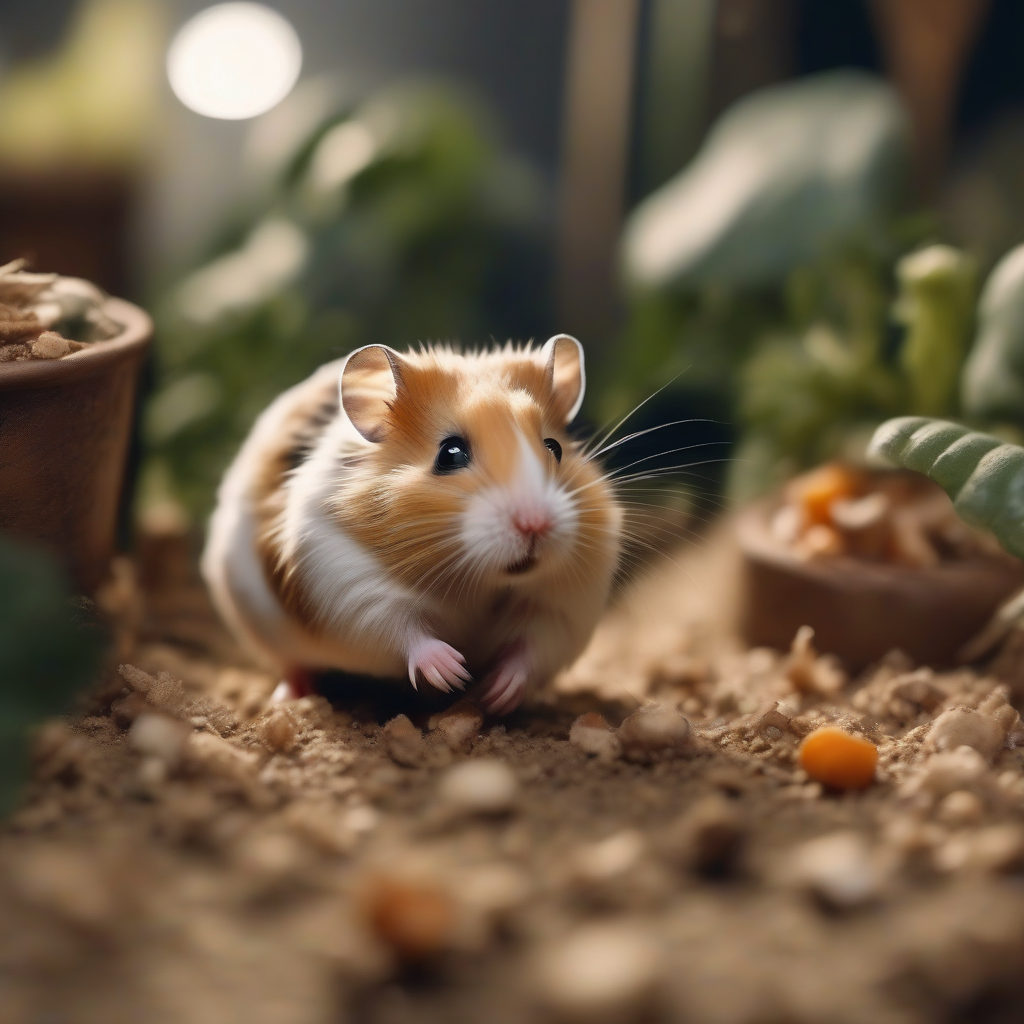
In this article, you will discover the neurocognitive mechanisms underlying hamsters' natural foraging behavior and how we can enhance their mental well-being by fulfilling this instinctive need.


In this article, you will discover the little-known but profound effects of the acoustic environment in rabbit living spaces on their brain health and general well-being, exploring the neurobiological consequences of both sound deprivation and overstimulation, and scientific secrets to creating a peaceful environment. Understand and optimize your rabbit's world with expert tips.
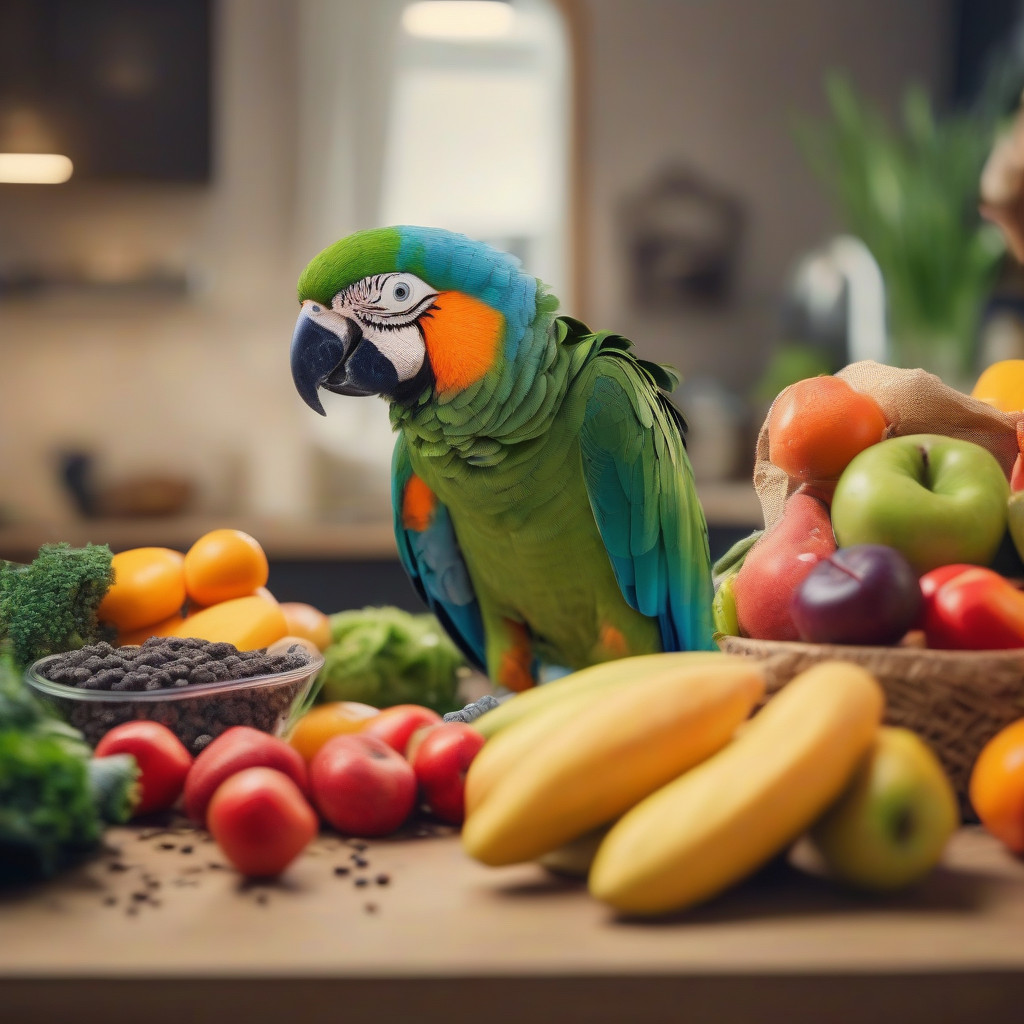
In this article, you will find comprehensive information about the insidious neurobiological effects of artificial colorings, preservatives, and flavors found in commercial bird feeds on your bird's brain health and mental vitality. We explore scientific nutritional secrets to combat these hidden dangers, shedding light on a wide spectrum of effects from behavioral changes to cognitive decline.

In this article, you can discover the scientific secrets to understanding your cat's undesirable habits, deciphering the neurocognitive mechanisms in their brain, and establishing lasting new routines.
Our tiny friends, hamsters, are nocturnal, burrowing creatures that hoard food and are constantly busy. However, behind their endless energy lies not just a physical need, but a deep neurocognitive drive: 'foraging,' or food-seeking behavior. As of May 2026, recent scientific research on hamster psychology and behavior reveals that this seemingly simple action is vital for their overall mental well-being. So, how does this hidden 'foraging psychology' work in your hamster's brain, and how can you best meet this instinctive need?
Hamsters' foraging behavior is closely linked to the brain's mesolimbic reward system. The acts of seeking, finding, and storing food trigger dopamine release, creating a 'reward cycle.' This cycle not only satisfies physical hunger but also provides mental stimulation and satisfaction, reducing stress and increasing well-being. Inhibition of this natural drive can lead to chronic stress, behavioral disorders, and even cognitive decline.
Hamsters, while exploring their environment, literally create a 'mental map.' They store every new object, every corner, and every scent they encounter during their food search in their memory. This spatial memory allows them to forage more efficiently next time. The brain region called the hippocampus plays a central role in these complex mapping and recall processes. An enriched environment full of new, explorable objects keeps their cognitive abilities sharp and increases their mental vitality. To better understand your hamster's reactions to the unknown and the secrets of safe exploration, you can read our article "Your Hamster's 'New Object Bewilderment': 5 Hidden Neurocognitive Responses to the Unknown and Scientific Secrets of Safe Exploration!".
Foraging is a continuous process of risk-reward assessment. The energy to be spent to reach a food source, potential dangers (e.g., exposure to predators), and the value of the food obtained (calories, nutritional value) are constantly evaluated. Hamsters instinctively try to choose the most optimized strategy. This decision-making mechanism is supported by neurocognitive processes occurring in brain regions similar to the prefrontal cortex. To decipher the neurocognitive secrets of your hamster's threat assessment and safe decision-making mechanisms, you can refer to our article "Your Hamster's 'Hidden Risk Algorithm': 5 Neurocognitive Secrets of Threat Assessment and Safe Decision-Making Mechanisms!".
Foraging is often a process that requires patience and does not offer immediate rewards. Hamsters may revisit the same areas repeatedly, try different methods, and encounter failures in their search for food. These experiences enhance their learning abilities. A successful foraging act triggers behavioral reinforcement and makes them more effective in similar situations in the future. This 'experiential learning' cycle is governed by the brain's basal ganglia and striatum regions. To learn the neurobiological secrets that make new behaviors permanent and scientific training methods for your hamster, please consult our content "Your Hamster's 'Routine Learning Mechanics': 5 Neurobiological Secrets to Making New Behaviors Permanent and Scientific Training Methods!".
Since hamsters are active in the dark, they rely more on their senses of smell and touch rather than sight when foraging. Their highly developed olfactory systems allow them to pinpoint food sources with millimeter precision. At the same time, their long whiskers (vibrissae) help them scan the environment to determine the shape, texture, and location of objects. This sensory integration enables them to find food effectively even in complex tunnel systems and dense vegetation. To learn more about the neurobiological effects of bedding materials and scientific habitat design to zero out stress, our article "Your Hamster's Secret 'Ground Language': Neurobiological Secrets of Bedding Materials and Scientific Habitat Design to Zero Out Stress!" will be helpful.
Being able to exhibit natural foraging behavior is a significant stress-reducing mechanism for hamsters. Instinctive actions like seeking and storing food allow them to feel like they are in their natural habitat and reduce anxiety caused by environmental factors. Inhibited foraging can lead to boredom, stereotypical behaviors (repetitive movements), and increased stress hormones. Therefore, providing foraging activities helps strengthen your hamster's 'chemical shield' and zeroes out their stress levels. To discover neurobiological nutrition secrets that zero out stress, read our article "Is Your Hamster's 'Secret Chemical Shield' Collapsing? 5 Neurobiological Nutrition Secrets to Zero Out Stress!".
Meeting your hamster's foraging needs is crucial for supporting their mental health. Here are some scientific strategies you can implement:
In conclusion, your hamster's health is not limited to meeting their physical needs. By understanding their neurocognitive structures and supporting essential instinctive behaviors like foraging, you take one of the most important steps towards ensuring they lead a happy, healthy, and mentally vibrant life. Explore the inner world of your tiny friend and provide them with the enriched life they deserve.
