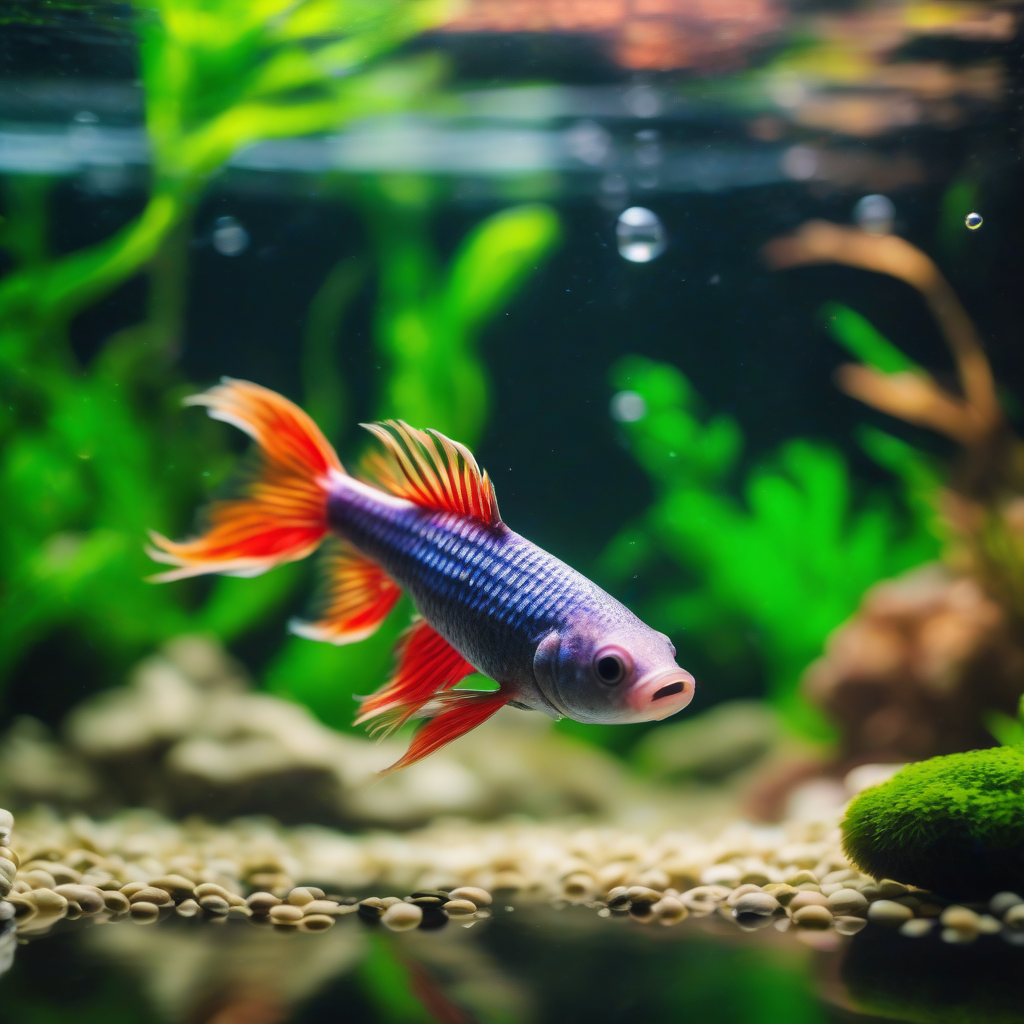
In this article, you will discover the profound neurobiological effects of temperature fluctuations, vital for the quality of life of aquarium fish, on brain health, and scientific ways to maintain this delicate balance.


In this article, you will discover how fish make foraging decisions under predator threat, the neurocognitive secrets behind this process, and aquarium design tips to reduce stress in their environment.

In this article, you will find a comprehensive examination of the profound neurobiological effects of stereotypical behaviors (feather plucking, excessive cage chewing, persistent pacing, etc.) in birds and scientific strategies to escape this 'silent swamp of repetition'.

In this article, you will discover the insidious neurobiological effects of processed foods on your hamster's gut microbiome and brain health, along with scientific nutrition solutions for optimal mental vitality.
While aquarium keeping offers a serene escape for many, every parameter in the underwater world is of vital importance to its inhabitants. Water temperature, in particular, is one of the most critical environmental factors directly affecting the physiological and neurobiological functions of fish. Even subtle temperature fluctuations, often overlooked, can initiate a 'silent thermal dance' in fish brains, leading to serious long-term neurobiological consequences. In July 2026, WikiPet delves into these delicate adaptation mechanisms fish develop against temperature changes in their aquariums and the insidious effects of these fluctuations on their brains from a scientific perspective.
As poikilothermic (cold-blooded) creatures, fish's body temperatures are directly dependent on their environmental temperature. This means that even the slightest change in water temperature can instantly impact their metabolic rate, enzyme activities, and nervous transmission. When exposed to thermal stress, fish brains trigger a complex series of biochemical reactions, and these responses can lead to neuronal dysfunction in the long run.
The hypothalamus in fish brains is one of the key structures responsible for regulating body temperature and coordinating the stress response. When temperature fluctuations are detected, the hypothalamus activates the hypothalamic-pituitary-interrenal (HPI) axis, leading to the release of stress hormones like cortisol. Chronic stress hormone secretion can affect neurotransmitter systems in other brain regions, paving the way for behavioral and cognitive problems. This can also create a domino effect on other fish in the aquarium, as mentioned in Emotional Contagion in Fish Brains: 5 Insidious Neurobiological Secrets of Stress Spread in Aquariums and Methods to Build a Calm Community!.
Each fish species has a specific optimal temperature range, and deviations outside this range can disrupt the three-dimensional structures of proteins and enzymes, negatively affecting their function. Enzymes in the nervous system, in particular, are critically important for neurotransmitter synthesis and breakdown. Conditions outside the optimal temperature can reduce the speed and accuracy of neural signals, negatively impacting the fish's reaction time, coordination, and overall sensory perception.
Let's take a closer look at the specific and insidious effects of temperature fluctuations on the fish brain:
Sudden temperature changes can disrupt the synthesis and release of neurotransmitters such as serotonin, dopamine, and norepinephrine. Fluctuations in serotonin levels, especially, are associated with increased anxiety, restlessness, and even depressive behaviors in fish. In some cases, fish may become overly passive, refuse to eat, or sink to the bottom of the aquarium. This significantly compromises the fish's overall quality of life and adaptability.
Thermal stress increases the production of reactive oxygen species (ROS) in the body, leading to oxidative stress. The brain is particularly susceptible to oxidative damage due to its high metabolic activity and lipid-rich composition. ROS can damage neuronal membranes, proteins, and DNA, leading to neuronal dysfunction and even cell death. In the long term, this can form the basis for cognitive decline and behavioral abnormalities.
Fish also possess learning abilities and cognitive capacities. However, temperature fluctuations can impair neuronal plasticity, especially in brain regions responsible for learning and memory, such as the hippocampus. This weakens the fish's fundamental skills, such as adapting to a new environment (Your Fish's 'Invisible Quarantine Stress': 5 Insidious Neurobiological Threats in Adapting to a New Environment and Aquarium Inhabitants!), recognizing new food types, or understanding its place in the social hierarchy. This decline in cognitive abilities directly impacts the fish's quality of life.
Many fish species adjust their biological rhythms according to changes in water temperature. Constant temperature fluctuations can disrupt the fish's natural circadian rhythm, leading to abnormalities in the sleep-wake cycle. This "thermal jet lag" prevents the fish from resting, reduces energy levels, and further exacerbates the stress response. Just like chronic sleep deprivation in humans, this condition negatively affects brain functions.
There is a complex interplay between the brain and the immune system. Chronic cortisol secretion caused by thermal stress can suppress the fish's immune system. This reduces the fish's resistance to diseases (which can lead to serious problems like Your Fish's 'Silent Drowning' Nightmare: 5 Insidious Neurobiological Effects of Acute Oxygen Deprivation in the Brain and Lifesaving Emergency Intervention Codes!), and can also affect the brain's immune responses. Imbalances in microglial activity or an increased risk of neuroinflammation can exacerbate neuronal damage.
Taking proactive steps is crucial to protect your fish's brain health and prevent the destructive effects of thermal stress.
Selecting a high-quality, reliable heater with the correct size and wattage for your aquarium is fundamental. Heaters with thermostats are the most effective solution for maintaining a stable water temperature. Additionally, regularly checking the temperature with at least two accurate digital thermometers placed in different areas of the aquarium allows you to detect potential fluctuations early.
Ensure that the aquarium is not exposed to direct sunlight or air currents from air conditioners/heaters, which can create sudden temperature changes. Such external factors can cause abrupt fluctuations that even a heater cannot compensate for. Aquarium lighting can also cause heating; therefore, as stated in The Fish's Visual Perception Universe: 5 Mysterious Neurocognitive Effects of Light Spectrum and Scientific Optimization Secrets for a Peaceful Aquarium!, proper lighting selection and duration are also important for temperature management.
It is critical that the temperature of the water added during water changes is as close as possible to that of the aquarium water. Sudden temperature differences are a significant source of thermal shock and stress for fish. Minimize thermal shock by performing water changes slowly and in small amounts.
Each fish species has its own optimal temperature range and tolerance for temperature changes. Research the specific needs of the fish species in your aquarium and ensure your aquarium stays within this range. In community aquariums, it is important to choose species with similar thermal needs that can coexist.
Your fish's 'secret thermal dance' in its brain is a powerful indicator of how delicate a balance the aquarium environment requires. Even minor fluctuations in water temperature can lead to a range of insidious neurobiological effects, from neurotransmitter imbalances to cognitive decline. Ensuring optimal thermal stability is vital not only for your fish's physical health but also for their mental vitality and overall quality of life. Remember, a healthy aquarium environment is the key to healthy and happy fish.
