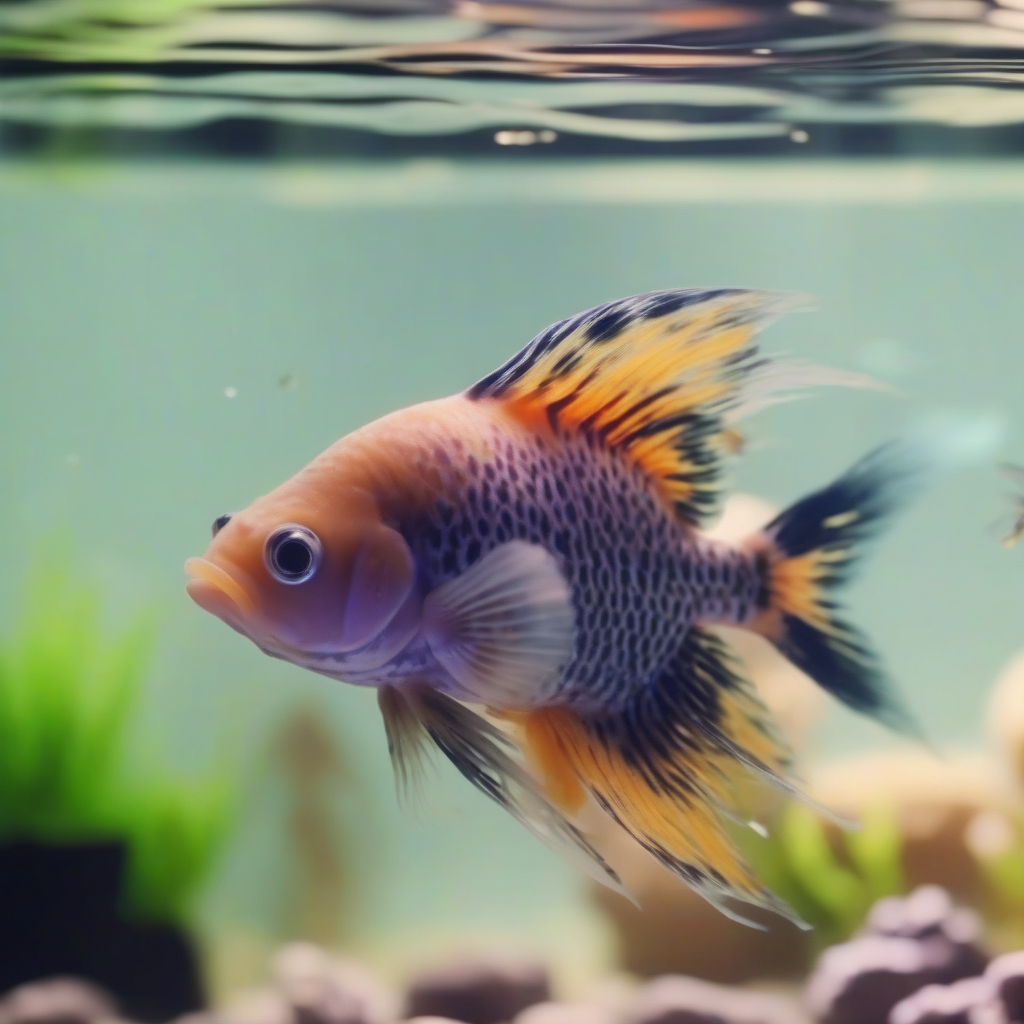
In this article, discover how stress spreads from one individual to another in aquarium fish, the 5 insidious neurobiological secrets of this 'emotional contagion,' and strategies to create a peaceful environment in your aquarium.


In this article, you will find comprehensive information on the neurobiological changes occurring in your dog's brain during separation anxiety and scientifically proven strategies to manage this condition. Delve deep into your dog's fear of being alone to discover the secrets to providing a more peaceful life and happier reunions for them.

In this article, you will find comprehensive information about the importance of proper litter box choice and hygiene in rabbits, delving into the stress and neurobiological impacts of improper practices on their brain, and discovering scientific secrets for a peaceful life.
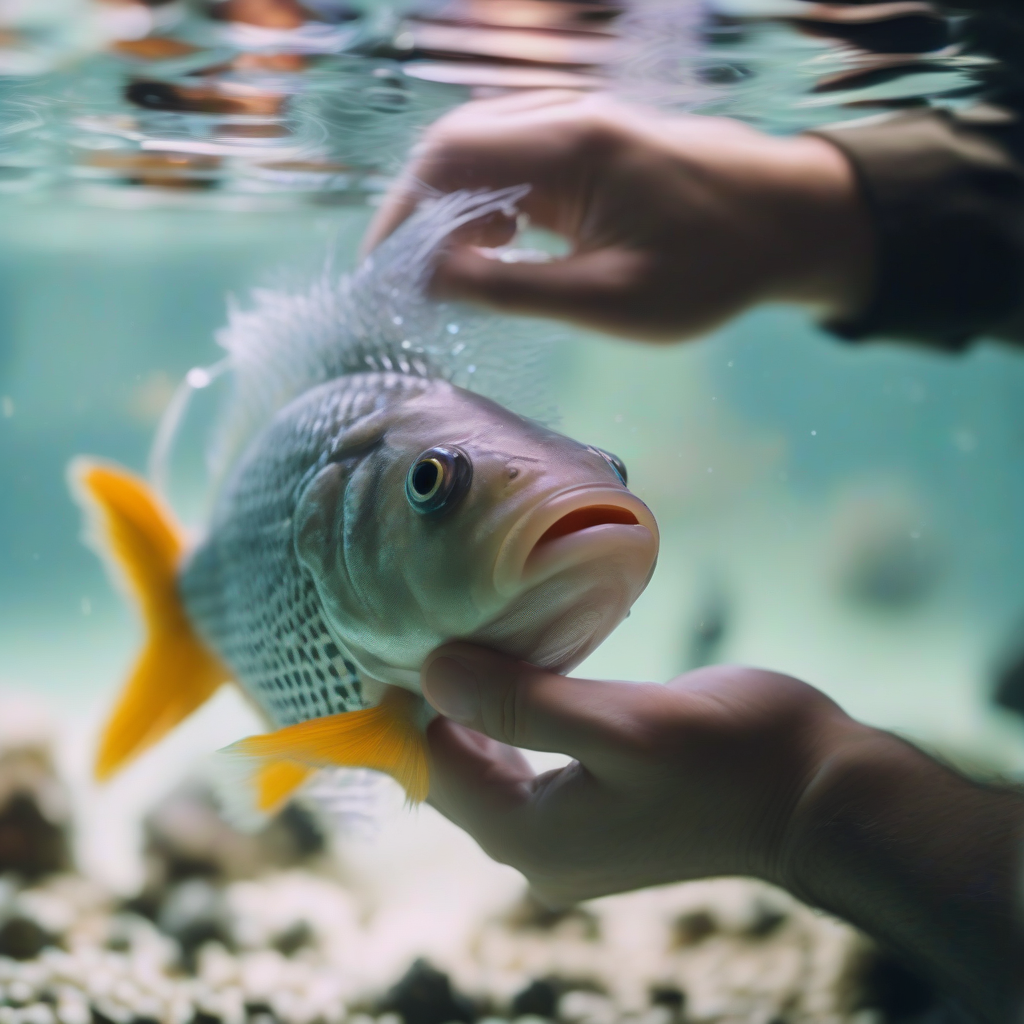
Discover scientifically-backed neurocognitive secrets to reduce stress and build trust-based cooperation in fish during veterinary interventions. This guide details how to train your fish for routine check-ups and treatments.
Do you think your aquarium fish are just simple creatures swimming on the surface? Science reveals a much more complex neurobiological interaction network in the underwater world than you might imagine. The concept of "emotional contagion," in particular, unveils how fish can transmit states like stress, fear, or uneasiness from one individual to another. This isn't merely behavioral mimicry; it's an insidious process occurring at hormonal and neurological levels that can deeply affect the overall health of all creatures in your aquarium. Recent research as of July 2026 sheds light on how fish, much like mammals, reflect their physiological responses to environmental stressors onto other individuals in the aquarium. In this article, we will explore 5 insidious neurobiological secrets of this hidden 'emotional contagion' mechanism in your fish's brain and scientific methods to build a peaceful community in your aquarium.
Mirror neuron systems, associated with observational learning and empathy in mammals, may also exist in primitive forms in fish. When a fish is under stress, its rapid gill movements, hiding behaviors, or erratic swimming patterns are visually perceived by other fish in the aquarium. These visual stimuli can trigger similar neural pathways in the observing fish's brain, initiating a stress response even without an actual threat. This is the first step in one fish's anxiety "spreading" to others and is closely related to The Fish's Hidden 'Understanding Cycle' in the Aquarium: Surprising Neurocognitive Secrets of Learning Capacity!.
Fish's olfactory systems are much more developed than those of humans and other terrestrial animals. A stressed fish can release stress hormones like cortisol and specific pheromones into the water. These chemical signals rapidly spread through the aquarium water and are detected by other fish's olfactory receptors. This perception, even without a direct threat, can activate the hypothalamic-pituitary-renal (HPA) axis of the perceiving fish, initiating a stress response. This acts like an "underwater alarm system," potentially tensing up the entire aquarium instantly. Especially during the adaptation process to a new environment, Your Fish's 'Invisible Quarantine Stress': 5 Insidious Neurobiological Threats in Adapting to a New Environment and Aquarium Inhabitants! demonstrates how crucial such chemical communication is.
Sudden movements or panic in a stressed fish can be quickly mimicked by schooling fish. This becomes particularly evident in crowded aquariums or when a dominant fish within a school is stressed. Other fish may enter a state of stress under the influence of group behavior, without having the opportunity to evaluate the threat or respond individually. While this behavioral mimicry can be a defense mechanism, it can unnecessarily raise the stress levels of the entire community and is also connected to Your Fish's Brain's 'Hidden Social Map': 5 Insidious Neurobiological Effects of Aquarium Rank Hierarchy and Secrets to Building a Peaceful Community!.
When a fish gets stressed, the cortisol it releases not only spreads into the water but also affects the metabolism of the stressed fish. This can initiate a chain reaction for other fish to exhibit similar physiological responses. Particularly in situations of prolonged stress, chronic cortisol exposure can weaken the immune systems of all aquarium inhabitants and reduce their resistance to diseases. This can lead to serious consequences for the general health and welfare of the fish.
The aquarium environment itself can also trigger or exacerbate emotional contagion. Environmental stressors such as insufficient hiding spaces, overcrowding, inappropriate water parameters, or constant loud noises can increase the stress of an already agitated fish and make it easier for this state to spread to others. A restless environment prevents fish from exhibiting their "normal" behaviors, which generally disrupts social harmony in the aquarium. Therefore, as stated in the article Your Fish's 'Secret Security Algorithm' in the Aquarium: 5 Insidious Neurobiological Effects of Insufficient Hiding Spaces and Secrets to Peace, proper habitat arrangement is vital.
After understanding these insidious mechanisms of emotional contagion, it is possible to minimize stress in your aquarium and create a peaceful living space for your fish.
The world of fish is much deeper and more complex than we often imagine. Neurobiological processes like 'emotional contagion' weave a hidden network affecting the well-being of every fish in the aquarium. By understanding these mechanisms, as fish owners, we can transform our aquariums from mere decorative objects into peaceful ecosystems that support the mental and emotional health of our living creatures. With scientific approaches, you can create a fish community in your aquarium that not only survives but also thrives.
