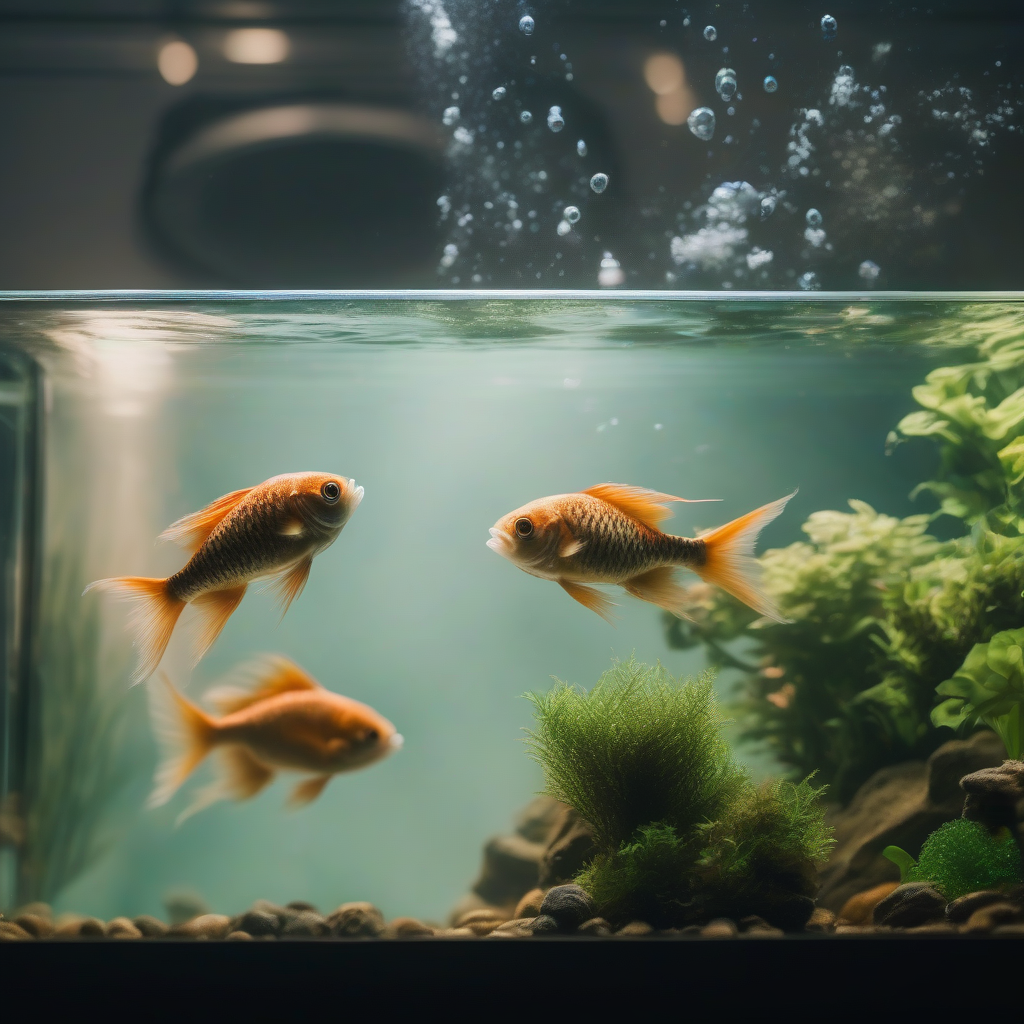
In this article, you will find comprehensive information on the neurobiological effects of acute oxygen deprivation in fish and the emergency intervention codes required in the face of this vital threat. Understanding this insidious underwater threat and intervening early can save your fish's life.


In this article, you will discover how fish make foraging decisions under predator threat, the neurocognitive secrets behind this process, and aquarium design tips to reduce stress in their environment.

In this article, you will find a comprehensive examination of the profound neurobiological effects of stereotypical behaviors (feather plucking, excessive cage chewing, persistent pacing, etc.) in birds and scientific strategies to escape this 'silent swamp of repetition'.

In this article, you will discover the insidious neurobiological effects of processed foods on your hamster's gut microbiome and brain health, along with scientific nutrition solutions for optimal mental vitality.
For our aquarium fish, water is not just a habitat but also the fundamental element where they breathe and survive. However, when dissolved oxygen levels in the water drop unexpectedly, a devastating scenario begins for fish, which we can call 'silent drowning.' This condition can lead to insidious and irreversible neurobiological damage in the brains of fish. As of July 2026, a deeper understanding of the importance of water quality parameters, and especially the critical impact of oxygen on fish health, is indispensable knowledge in the aquarium hobby.
Acute oxygen deprivation, or hypoxia, can occur in an aquarium environment for various reasons: overstocking, inadequate filtration or aeration, high water temperature (warm water holds less oxygen), accumulation of organic matter, power outages, and even improperly used chemicals. This situation affects not only the respiratory system but also all physiological functions of the fish, especially its brain, in a paralyzing way. Early signs include gasping at the surface, rapid gill movements, and lethargy. However, the real danger lies in what happens in the brain during this 'silent drowning' process.
Oxygen is essential for the energy production of brain cells (neurons). In the event of oxygen deficiency, the brain begins to suffer irreversible damage within seconds.
Oxygen deprivation halts the production of adenosine triphosphate (ATP), the primary energy source for neurons. ATP deficiency prevents the ion pumps in cell membranes from functioning, leading to an influx of calcium into the cells and excessive release of the neurotransmitter glutamate. This condition, known as 'excitotoxicity,' causes overstimulation of neurons, followed by programmed cell death (apoptosis). The result: irreversible losses occur in critical areas of your fish's brain.
The decrease in oxygen levels in the brain directly affects the synthesis and release of neurotransmitters such as serotonin, dopamine, acetylcholine, and GABA. This chemical imbalance disrupts the fish's cognitive functions, motor coordination, and behavior. Fish may become confused, disoriented, lose their normal swimming patterns, and lose their ability to interact with their environment. This can also affect how fish react to stress in the aquarium; for more information on this, you can check our article Emotional Contagion in Fish Brains: 5 Insidious Neurobiological Secrets of Stress Spread in Aquariums and Methods to Build a Calm Community!.
Hypoxia compromises the integrity of the blood-brain barrier and leads to fluid accumulation (edema) in brain tissue. Since fish have a limited volume within their rigid skulls, brain edema rapidly increases intracranial pressure. This pressure further damages brain tissue, hinders blood flow, and accelerates neuronal death. This can lead to critical consequences similar to the damage discussed in Your Fish's Hidden Concussion: 5 Insidious Neurobiological Effects of Head Trauma and Lifesaving Emergency Intervention Codes!.
The brain, in response to oxygen deficiency, sends signals that affect the cardiovascular system. Initially, bradycardia (a decrease in heart rate) may be observed to use oxygen more efficiently. However, chronic hypoxia damages heart muscle cells and can ultimately lead to cardiac arrest. This indicates that the central nervous system is also severely affected, as the regulation of vital functions is disturbed.
The neurobiological changes mentioned above cause sudden and dramatic changes in fish behavior. Gasping at the surface is the most well-known symptom. However, loss of coordination, erratic swimming, lethargy, and even shock-like conditions can also occur. This is an indication that the fish's ability to perceive and react to its environment is fundamentally shaken. In some cases, they may exhibit similar superficial behaviors to Your Fish's Body's 'Silent Time Bomb': 5 Insidious Neurophysiological Effects of Gas Bubble Disease and Lifesaving Emergency Intervention Codes!, but the underlying cause is different.
In cases of oxygen deprivation, time is of critical importance. Rapid and correct intervention can save your fish's life and minimize permanent brain damage.
Immediately start providing intense oxygen to the water using an air stone or an aquarium pump. Direct the filter output towards the water surface to increase surface agitation. If you don't have an air pump, you can temporarily increase oxygen exchange at the surface by stirring the aquarium water with a cup.
Immediately check the water temperature. Excessively high temperatures reduce oxygen levels; temperature changes can cause Your Fish's 'Silent Thermal Shock' Trap: 5 Neurophysiological Effects of Sudden Temperature Change and Lifesaving Emergency Intervention Codes! in your fish. Also, measure ammonia and nitrite levels. High ammonia levels reduce the fish's ability to absorb oxygen and are a disaster in themselves; see Your Fish's 'Silent Ammonia Shock': 5 Insidious Neurotoxic Effects in the Brain and Lifesaving Emergency Intervention Codes!. If there are problems with these parameters, perform small and controlled water changes.
When the fish begins to recover, minimizing its stress is crucial. Dim the aquarium lights, reduce noise, and avoid sudden movements. Temporarily stop feeding or offer very small amounts to prevent the fish from expending too much energy during recovery.
If your fish's condition does not improve or if it shows advanced symptoms, consulting a veterinary professional experienced in aquatic animal health is vital. The expert will determine the correct diagnosis and treatment methods, increasing your fish's chances of survival.
Remember, acute oxygen deprivation is one of the most deadly emergencies fish can face. Regular aquarium maintenance, water quality tests, and adequate aeration are the best ways to prevent such a catastrophe. Hearing your fish's silent cries and acting quickly is the most valuable action to save their lives.
