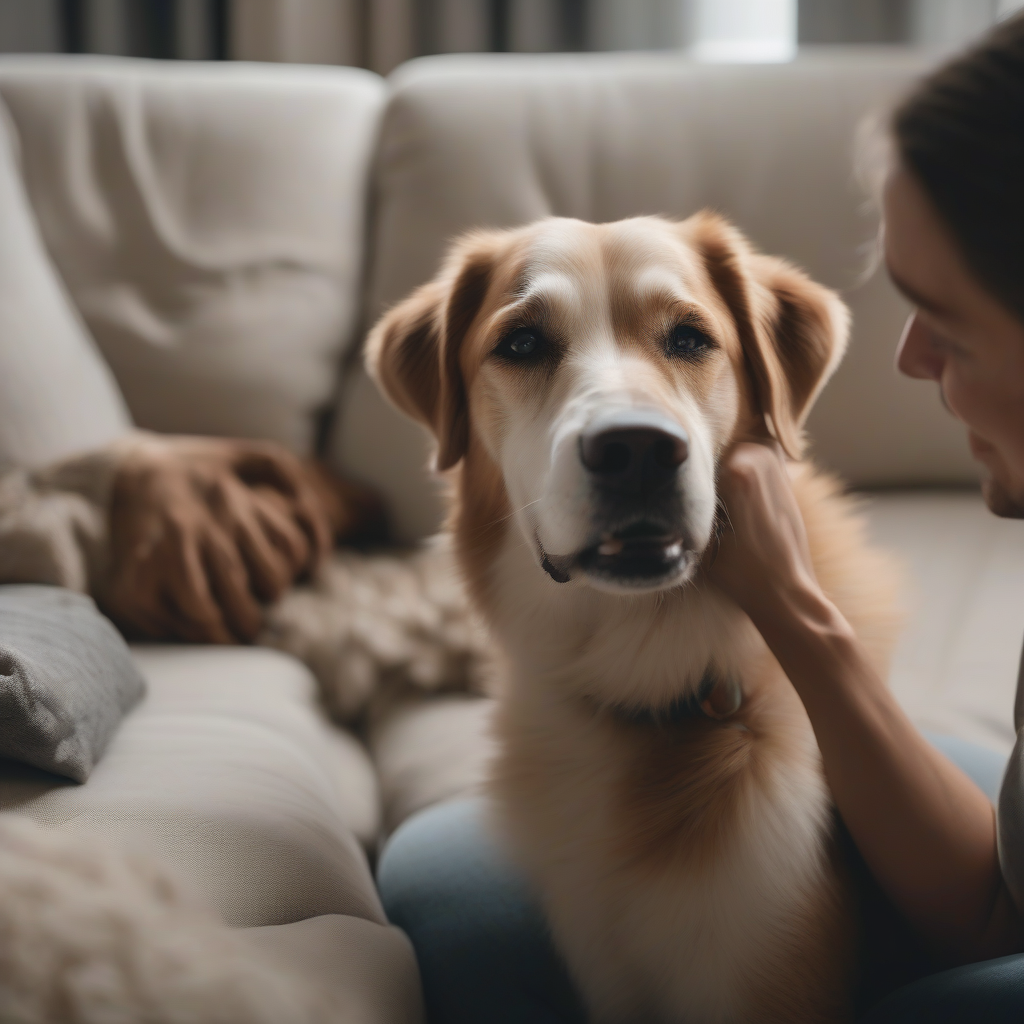
Discover how your dog's attachment style is shaped by deep neurobiological traces of past experiences and traumas. In this article, you will find scientific secrets to building a secure bond and enhancing your dog's mental well-being.


In this article, you will discover the little-known but profound effects of the acoustic environment in rabbit living spaces on their brain health and general well-being, exploring the neurobiological consequences of both sound deprivation and overstimulation, and scientific secrets to creating a peaceful environment. Understand and optimize your rabbit's world with expert tips.
In this article, you will find comprehensive information about the insidious neurobiological effects of artificial colorings, preservatives, and flavors found in commercial bird feeds on your bird's brain health and mental vitality. We explore scientific nutritional secrets to combat these hidden dangers, shedding light on a wide spectrum of effects from behavioral changes to cognitive decline.

In this article, you can discover the scientific secrets to understanding your cat's undesirable habits, deciphering the neurocognitive mechanisms in their brain, and establishing lasting new routines.
Every dog we adopt carries a story; this story profoundly influences the 'attachment algorithm' they develop towards the world and us. Especially in dogs who have experienced traumatic events, this algorithm carries complex neurobiological traces. Understanding these mechanisms deep within their brains, rather than merely observing their behavior from the outside, is key to building a genuine, secure, and unbreakable bond with your dog. In May 2026, as WikiPet, we shed light on this hidden world within your dog's mind and offer scientific solutions for a healthier companionship.
Just like in humans, attachment is a fundamental requirement for survival and well-being in dogs. The first bonds formed with the mother during puppyhood trigger the release of neuropeptides like oxytocin and vasopressin in the brain. These 'love hormones' strengthen feelings of trust, empathy, and social connection. Dogs that develop a secure attachment style feel safe, are more open to exploring the world, and can cope better with stress. However, when these basic needs are not met or when traumatic events occur, attachment algorithms can become disrupted, leaving lasting traces in the brain.
Oxytocin is the primary neurochemical of social bonds and trust. During eye contact, gentle touches, and reciprocal play with your dog, oxytocin levels rise. This triggers a 'feel-good' cycle in both you and your dog, strengthening your bond. In traumatized dogs, these neurochemical cycles may be disrupted, making it harder to build trust. However, with the right approaches, it is possible to reactivate these cycles.
Traumatic experiences such as fear, neglect, or abuse can lead to lasting changes in brain regions like the amygdala and hippocampus. The amygdala functions as the brain's 'alarm center,' managing threat perception and fear responses. In post-trauma dogs, the amygdala can become hyperactive, causing them to overreact even to minor triggers. The hippocampus is involved in memory and learning; trauma can make it difficult to learn new positive experiences and suppress fear memories. These neurobiological changes directly affect your dog's ability to socialize and trust new people or animals.
A traumatic experience creates a powerful 'fear memory' in the amygdala. This memory can be reactivated by any associated trigger, such as a smell, sound, or image. Your dog's seemingly irrational fear or aggressive responses might actually be a reflection of these past neurobiological records. Therefore, instead of judging their reactions, understanding the underlying neurobiological mechanisms and approaching them with patience is vital.
Your dog's attachment style manifests in their behavior. Insecure attachment can appear in various forms, such as excessive clinginess (separation anxiety), avoidance of new situations or people, or even fear-based aggression. These behaviors are adaptive strategies developed by the dog's brain to feel safe. For instance, excessive clinginess might stem from high cortisol (stress hormone) levels, while avoidance could be a 'freeze' response the brain developed to prevent threats. Reading these signals correctly will help you understand your dog's inner world and provide the support they need.
Despite past traumas, it is possible to build a secure and deep bond with your dog. Here are 5 scientific secrets based on neurobiological foundations:
Adding stability and predictability to your dog's life reduces stress by lowering cortisol levels. Regular feeding, walking, and playtime communicate to your dog's brain that 'the world is a safe place.' Additionally, create a special safe space where your dog can calm down and be undisturbed (a crate, bed, or quiet corner). This offers them a point of control where they can retreat during stressful moments. For more information on how to create these safe spaces, you can check our article, Your Dog's 'Silent Pressure Zones': Discover Hidden Neurobiological Stress Points at Home and Create a Peaceful Living Environment!.
Positive reinforcement activates the reward system (dopamine release) in your dog's brain. A successful behavior or a relaxed moment, when paired with a reward (food, praise, play), encourages the brain to repeat that experience. Avoid harsh punishments, as these increase fear and activate the amygdala, eroding trust. Consistent positive reinforcement helps new, secure behavior patterns become neuroplastically embedded in the brain. For more insights, you can explore our article Your Dog's 'Hidden Playground' Algorithm: Bonding and Stimulation Secrets Through Strategic Mind Games.
More than just existing, engaging in quality, reciprocal interaction with your dog maximizes oxytocin levels. Short, enjoyable play sessions with toys chosen according to your dog's interests, or a simple training session, provide mental stimulation and encourage learning. These moments can distract them and help positive experiences enter their memory labyrinth. To learn more about how your dog learns and uses its memory, you can read our article Your Dog's 'Memory Labyrinth': Neurocognitive Codes of Experiences and 5 Surprising Secrets of Long-Term Learning!.
Dogs read human body language and tone of voice with incredible sensitivity. Using a calm, consistent, and gentle tone of voice reduces the perception of threat in your dog's brain and supports oxytocin release. Signal to them that they are safe with your facial expressions, posture, and movements. Sudden, loud noises or tense body language can trigger a traumatized dog's alarm system. For the effects of the home sound environment on dogs, please see the article Your Dog's 'Hidden Soundscape': 5 Neurobiological Effects of the Home's Micro-Acoustic Environment and Secrets to a Peaceful Life!.
Brain health and emotional balance are directly linked to proper nutrition. Amino acids like tryptophan (a precursor to serotonin) and tyrosine (a precursor to dopamine and norepinephrine) are particularly critical for the production of neurotransmitters that affect your dog's mood and behavioral well-being. Omega-3 fatty acids also support brain function and combat inflammation. By discussing with your veterinarian, you can support your dog's brain, and thus its attachment capacity, with a balanced diet tailored to their specific needs. For more detailed information on this topic, you can read our article titled Your Dog's 'Happiness Chemistry' in the Food Bowl: Neurobiological Secrets of Tryptophan and Tyrosine Balance and Scientific Nutritional Strategies to Boost Behavioral Well-being!.
Understanding your dog's 'hidden attachment algorithm' not only helps you interpret their behaviors but also enables you to develop empathy and patience towards them. While the neurobiological traces of past traumas may not be erased over time, with a safe and loving environment, consistent positive reinforcement, and scientific approaches, you can mitigate the effects of these traces and create new, strong neural pathways. Remember, every interaction is an opportunity to rewrite that hidden algorithm in your dog's brain. Equipped with patience, love, and science, you can forge an unbreakable bond with your dog that will last a lifetime.
