
In this article, you will find comprehensive information on the neurobiological effects of tryptophan and tyrosine amino acids in your dog's food bowl, how they influence serotonin and dopamine balance, and scientific nutritional strategies to enhance behavioral well-being.

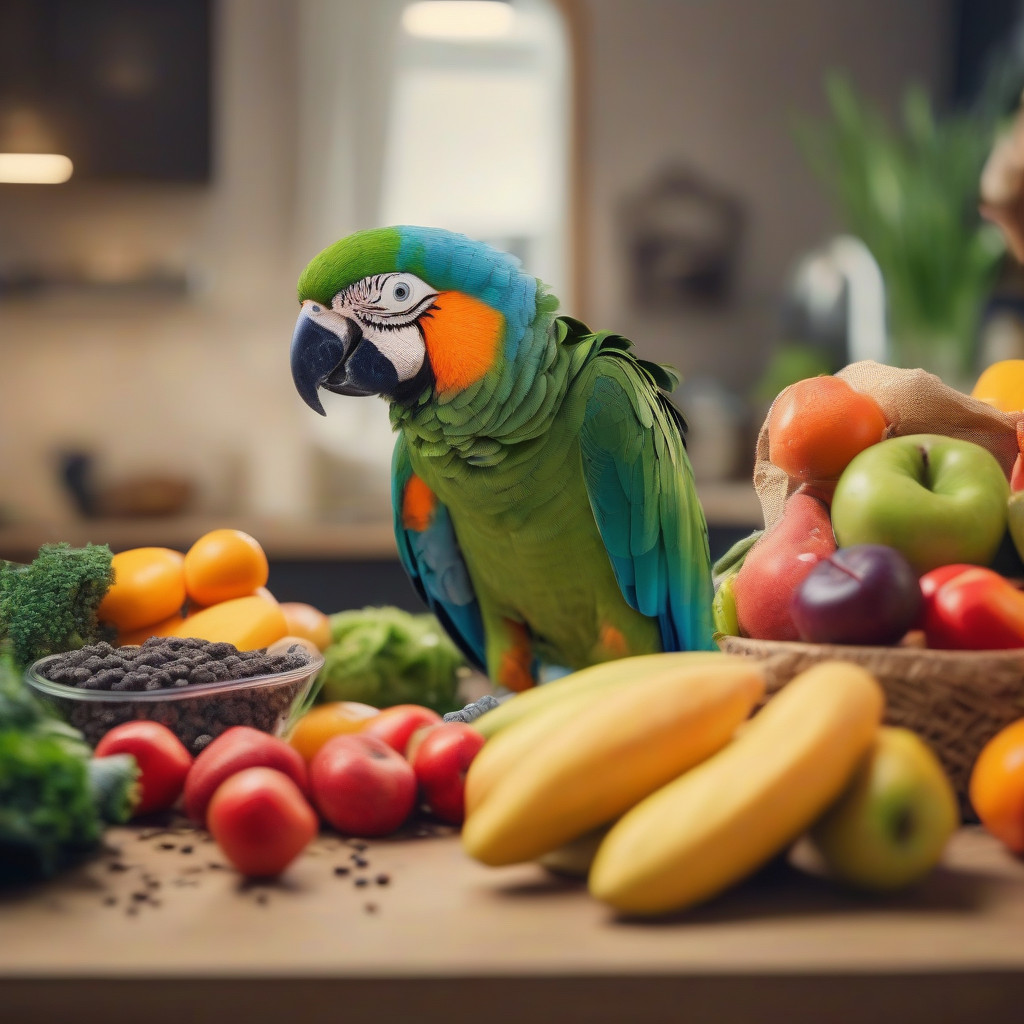
In this article, you will find comprehensive information about the insidious neurobiological effects of artificial colorings, preservatives, and flavors found in commercial bird feeds on your bird's brain health and mental vitality. We explore scientific nutritional secrets to combat these hidden dangers, shedding light on a wide spectrum of effects from behavioral changes to cognitive decline.

In this article, you can discover the scientific secrets to understanding your cat's undesirable habits, deciphering the neurocognitive mechanisms in their brain, and establishing lasting new routines.

Discover the types of burns your dog can suffer, the 5 insidious neurophysiological effects these burns create in the brain and body, and lifesaving emergency intervention strategies in this comprehensive guide. We shed light on the dangers behind forgotten household accidents from a scientific perspective.
Dogs, our four-legged companions, bring joy and loyalty into our lives. Their mental and behavioral well-being, as much as their physical health, is of great importance to us as owners. But have you ever wondered how the nutrients in your dog's food bowl affect their mood, learning ability, and overall behavior? Science shows a deep and complex connection between nutrition and brain chemistry. Specifically, amino acids like tryptophan and tyrosine play a key role in your dog's neurobiological balance.
In this article, we will uncover the 'happiness chemistry' hidden in your dog's food bowl, explore the journeys of tryptophan and tyrosine in the brain, how they influence critical neurotransmitters like serotonin and dopamine, and how you can optimize this balance with scientific nutritional strategies.
Tryptophan is an essential amino acid, meaning your dog's body cannot produce it and it must be obtained through diet. This amino acid is a precursor to serotonin, often known as the 'feel-good' neurotransmitter in the brain. Serotonin is involved in many fundamental neurobiological processes such as mood regulation, anxiety reduction, sleep quality improvement, and appetite control.
Neurobiological Roles of Tryptophan:
Tryptophan Sources: Turkey, chicken, eggs, cheese, beans, and some seeds (like pumpkin seeds) are good sources of tryptophan.
Like tryptophan, tyrosine is an amino acid vital for neurobiological functions. Tyrosine is a precursor to catecholamine neurotransmitters in the brain, such as dopamine, norepinephrine (noradrenaline), and epinephrine (adrenaline). These neurotransmitters play critical roles in cognitive and behavioral processes like focus, motivation, alertness, learning, and stress response.
Neurobiological Roles of Tyrosine:
Tyrosine Sources: Red meat, poultry, fish, dairy products, eggs, and legumes are good sources of tyrosine.
Your dog's brain chemistry depends not only on the presence of these two important amino acids but also on the delicate balance between them. While a high-protein diet is generally rich in both tryptophan and tyrosine, the passage and conversion of these amino acids in the brain are governed by complex biochemical processes. The competition of tryptophan with other large neutral amino acids (LNAAs) for passage into the brain means that the carbohydrate content of the diet is also important.
To support your dog's behavioral well-being and mood, consider the following nutritional strategies:
If you observe behavioral problems in your dog such as anxiety, hyperactivity, aggression, or learning difficulties, it is important to evaluate the neurobiological effects of their nutrition. For example, supporting the tryptophan/serotonin pathway can be beneficial for dogs experiencing anxiety and fear. For such situations, you can refer to the article: Your Dog's 'Hidden Fear Tunnels'. However, it is crucial to consult a veterinarian or a veterinary nutritionist before starting any dietary changes or supplementation program. Experts will help you create a personalized plan suitable for your dog's individual needs and health status.
The nutrients in your dog's food bowl directly affect not only their physical health but also their mood, cognitive abilities, and overall behavioral well-being. Understanding the neurobiological effects of tryptophan and tyrosine on brain chemistry allows you to make informed nutritional choices that help your canine companion live a more balanced, happy, and peaceful life. With scientifically-backed approaches, you can support your dog's internal and external happiness.
