
In this article, you will find comprehensive information about hidden cofactor crises in your dog's food bowl, 5 insidious mineral deficiencies that sabotage enzyme activity, and lifesaving scientific solutions.

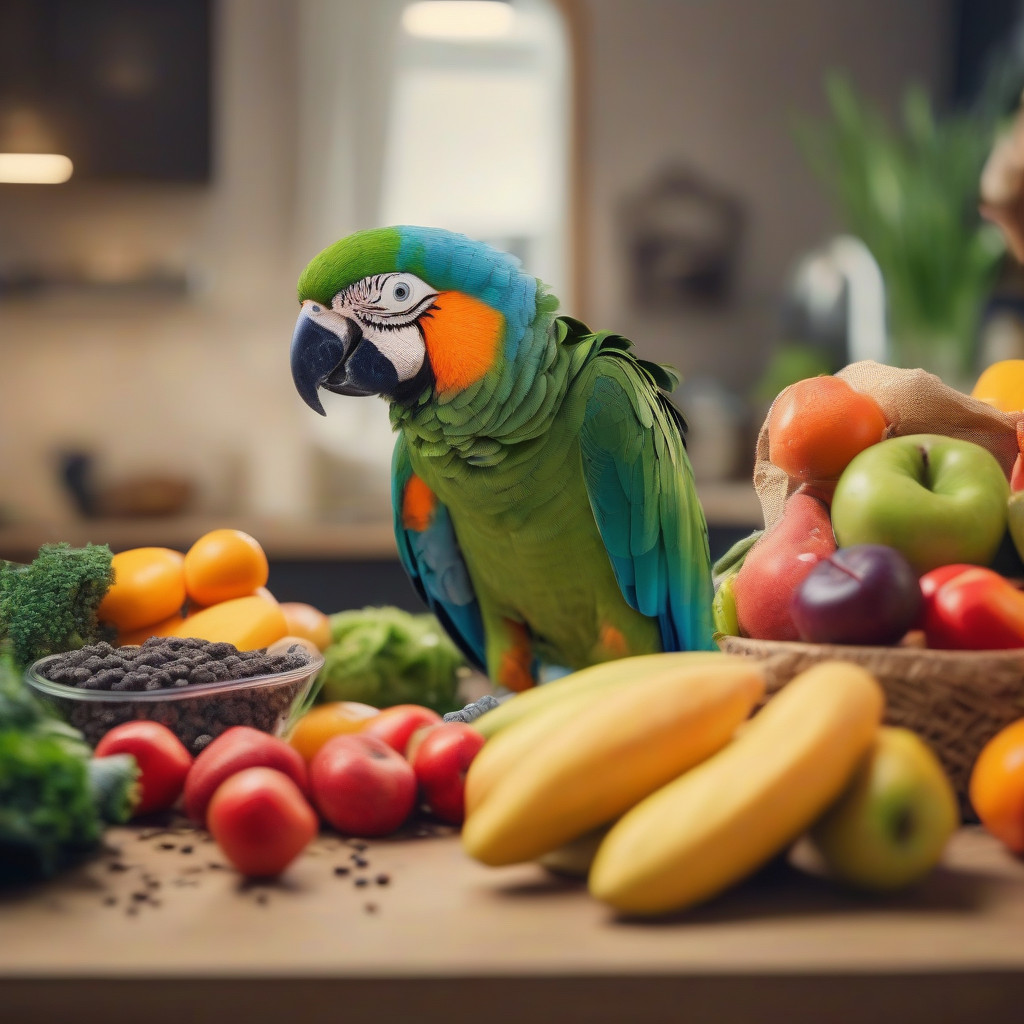
In this article, you will find comprehensive information about the insidious neurobiological effects of artificial colorings, preservatives, and flavors found in commercial bird feeds on your bird's brain health and mental vitality. We explore scientific nutritional secrets to combat these hidden dangers, shedding light on a wide spectrum of effects from behavioral changes to cognitive decline.

In this article, you can discover the scientific secrets to understanding your cat's undesirable habits, deciphering the neurocognitive mechanisms in their brain, and establishing lasting new routines.

Discover the types of burns your dog can suffer, the 5 insidious neurophysiological effects these burns create in the brain and body, and lifesaving emergency intervention strategies in this comprehensive guide. We shed light on the dangers behind forgotten household accidents from a scientific perspective.
Beyond proteins and vitamins, there's a crucial element often overlooked for our dogs' health: cofactors. Cofactors are small molecules required for enzymes to function correctly. These enzymes, in turn, enable every biochemical reaction, from digestion and immune function to energy production and cellular repair. We will delve deep into 5 insidious mineral deficiencies hidden in a dog's food bowl that unknowingly leave these vital cofactors lacking, and the chaos they unleash.
Zinc is essential for the activity of over 300 enzymes in the body. Zinc deficiency in dogs can lead to weakened immunity, skin lesions, hair loss, stunted growth, and even behavioral changes. Anti-nutrients like phytates in food ingredients can hinder zinc absorption, exacerbating this deficiency. This risk can be particularly higher in lamb or grain-based foods. Our article, Your Dog's 'Hidden Food Rebels': 5 Insidious Neuro-Allergic Triggers in the Food Bowl and Scientific Solutions to Save Their Behavioral Well-being!, also sheds light on the impact of food sensitivities on your dog's overall health.
Copper plays a role in vital processes such as iron absorption and utilization, energy production, connective tissue formation, and neurotransmitter synthesis. Its deficiency can lead to anemia (insufficient red blood cells), nervous system dysfunction (e.g., difficulty walking, tremors), fading of coat color, and bone problems resembling osteoporosis. High-calcium foods or certain grains can negatively affect copper absorption.
Manganese is essential for bone development, cartilage formation, fat and carbohydrate metabolism, and neurological functions. Deficiency can result in joint problems (like arthritis), infertility, growth disorders, and metabolic issues similar to diabetes. Imbalances in food formulations can leave manganese intake inadequate.
Selenium is a potent antioxidant and plays a critical role in the metabolism of thyroid hormones. Its deficiency can lead to a weakened immune system, muscle damage, reproductive problems, and thyroid dysfunction. Furthermore, selenium deficiency impairs the body's fight against free radicals, accelerating cellular aging. As seen in our article Your Hamster's Food Bowl's Hidden 'Free Radical Traps': 5 Insidious Neurochemical Dead Ends on the Road to Obesity!, the importance of antioxidants is universal across species.
Iodine is indispensable for the thyroid gland to produce thyroid hormones (T3 and T4). These hormones regulate metabolism rate, growth, and development. Iodine deficiency leads to hypothyroidism (underactive thyroid gland), which manifests with symptoms such as weight gain, lethargy, dull coat, and reproductive issues. Foods lacking in seafood or processed foods may have insufficient iodine levels.
These 5 mineral deficiencies can profoundly impact your dog's overall health, energy levels, immune system, and even behavior. When choosing food, it's critical to ensure it's not just focused on macronutrients but is also rich in and balanced for cofactors.
Remember, every component in your dog's food bowl manages a massive biochemical orchestra within their small bodies. Preventing cofactor crises is the key to ensuring this orchestra works in harmony. Our article Your Dog's Food Bowl's Hidden 'Hormonal Collapse' Signals: 5 Insidious Neuroendocrine Disorders and Scientific Solutions for Behavioral Balance! further elaborates on the relationship between hormonal balance and nutrition.
Symptoms of zinc deficiency include dermatitis, delayed wound healing, and recurrent infections. High-quality, easily absorbable zinc supplements or zinc-rich food formulations are recommended. Forms like pure zinc sulfate or zinc picolinate at dosages recommended by your veterinarian can be beneficial.
Anemia and neurological symptoms seen in copper deficiency can be corrected with copper supplementation. Natural sources like liver are rich in copper. Ensure the food contains adequate amounts of forms like copper sulfate or copper glycinate.
Manganese supplements can be used to support joint health, especially in puppies and older dogs. Supplements like manganese sulfate or manganese glycinate can be recommended under veterinary supervision.
Selenium acts synergistically with Vitamin E. Foods containing sodium selenite or organic selenium sources are preferred. It plays a significant role in fighting cancer and strengthening the immune system.
To address iodine deficiency, foods containing iodized salt or natural iodine sources like seaweed can be used. Iodine supplements at doses recommended by your veterinarian may also be considered. Regular monitoring of thyroid function is important.
Your dog's food bowl is not just a place to eat; it's a cofactor laboratory managing their inner world. Recognizing these hidden crises and preventing them with the right nutritional strategies will ensure they live a longer, healthier, and happier life.
