
Discover the behavioral effects of 5 insidious neuroendocrine disorders hidden behind your dog's food bowl and their scientific solutions.

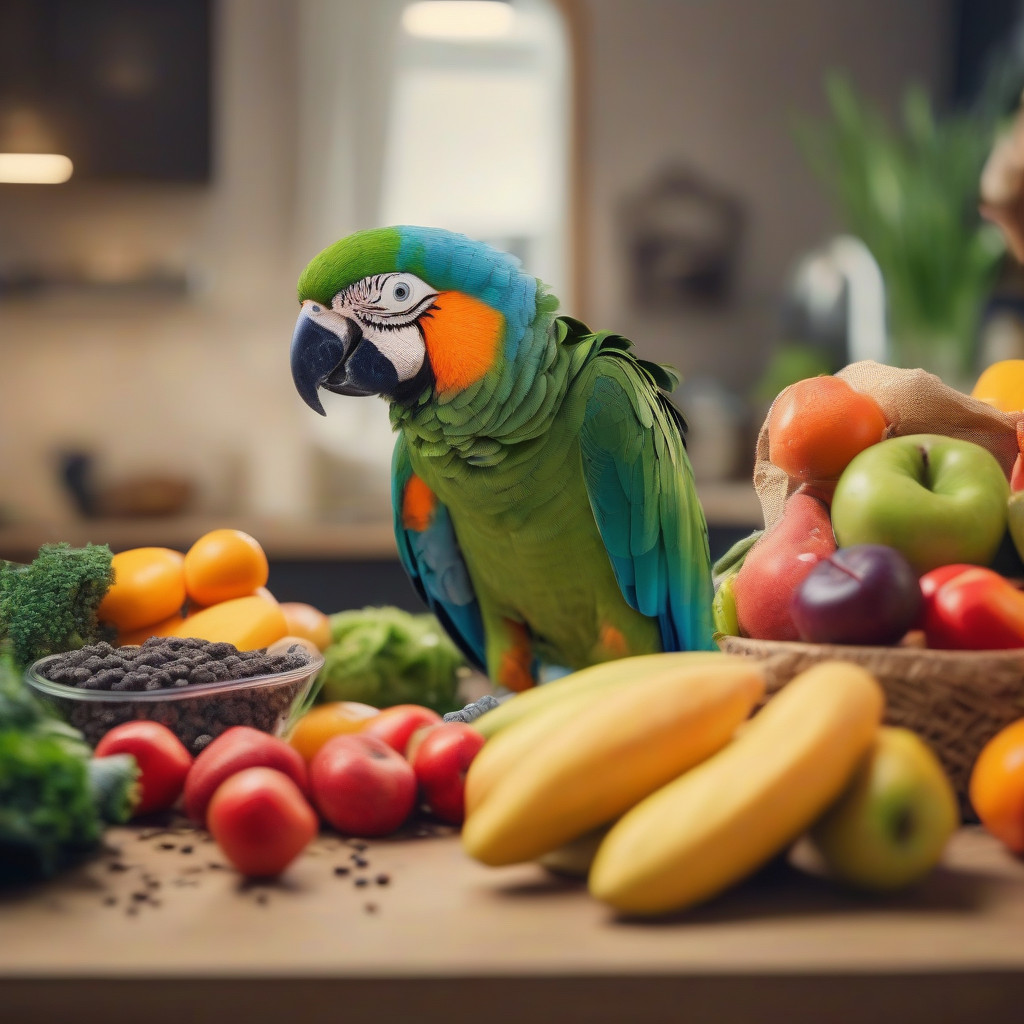
In this article, you will find comprehensive information about the insidious neurobiological effects of artificial colorings, preservatives, and flavors found in commercial bird feeds on your bird's brain health and mental vitality. We explore scientific nutritional secrets to combat these hidden dangers, shedding light on a wide spectrum of effects from behavioral changes to cognitive decline.

In this article, you can discover the scientific secrets to understanding your cat's undesirable habits, deciphering the neurocognitive mechanisms in their brain, and establishing lasting new routines.

Discover the types of burns your dog can suffer, the 5 insidious neurophysiological effects these burns create in the brain and body, and lifesaving emergency intervention strategies in this comprehensive guide. We shed light on the dangers behind forgotten household accidents from a scientific perspective.
A dog's wagging tail or curious gaze is often the clearest sign of their well-being. However, sometimes, sudden changes in your beloved companion's behavior can signal underlying issues that, while overlooked, can have serious consequences. The source of these changes often lies beyond the food bowl, in the complex neuroendocrine pathways connecting the digestive system and the brain. As of May 2026, scientific research increasingly reveals how food quality and species-appropriate nutrition profoundly impact not only a dog's physical health but also their mental and emotional well-being. In this article, we will delve into 5 insidious neuroendocrine disorders hidden within your dog's food bowl that can lead to significant behavioral problems if left unaddressed, and explore how to scientifically resolve them.
The thyroid gland produces hormones that regulate metabolic rate. In dogs, hypothyroidism, or insufficient production of thyroid hormones, not only leads to lethargy and weight gain but also behavioral changes. A slowed metabolism can make your dog less active, show a lack of interest, and even exhibit mild depressive symptoms. A deficiency in certain minerals in the food bowl (e.g., iodine) or nutritional imbalances can trigger this condition. Prominent signs include reluctance towards previously enjoyed games, disrupted sleep patterns, and a general state of listlessness.
Cushing's syndrome, resulting from the adrenal glands producing excessive cortisol, can cause a significant increase in your dog's appetite, leading to heightened anxiety. The constant feeling of hunger can make your dog more obsessive, prompting them to constantly check their food bowl and exhibit stress-related behaviors around finding food. Prolonged exposure to certain protein types or excessively fatty foods in their diet may accelerate the development of this syndrome. Other symptoms include increased thirst and urination, abdominal distension, and skin issues.
Addison's disease is a condition where the adrenal glands do not produce sufficient hormones. This can lead to sudden drops in energy, lethargy, and overreactions to stressful situations in dogs. Certain additives or unnatural ingredients in their food bowl can negatively affect your dog's adrenal system. This condition can cause your dog to suddenly tremble, walk with a wobbly gait, or experience digestive issues when stressed. Early diagnosis and treatment are vital, as sudden crises can be fatal.
PCOS, seen in female dogs, leads to hormonal imbalances that can manifest behaviorally as increased irritability, restlessness, or heightened territoriality. Certain substances in the food bowl that mimic hormones or imbalances in specific protein levels can trigger this condition. These hormonal fluctuations can cause your dog to react more aggressively than usual or become hypersensitive to overstimulation. For more information, consider reading "[Unlocking Your Dog's 'Silent Triggers': 5 Surprising Neurobiological Triggers of Sudden Aggression and Scientific Control Secrets!](slug: dog-aggression-triggers-neurobiological-control-secrets)"
Insulin resistance in dogs occurs when the body cannot effectively use insulin. This leads to fluctuations in blood sugar levels. Sudden drops or spikes in blood sugar can make your dog excessively irritable, impatient, or lethargic. Processed carbohydrates or high-glycemic index ingredients in their food bowl can accelerate the development of this condition. It may manifest as cycles of sudden energy bursts followed by crashes. The right grain or carbohydrate sources in the food bowl can reduce this risk. Our article "[Your Dog's Hidden 'Cofactor Crisis' in the Food Bowl: 5 Insidious Mineral Deficiencies Sabotaging Enzyme Activities and Lifesaving Scientific Solutions!](slug: dog-hidden-cofactor-crisis-food-bowl-insidious-mineral-deficiencies-sabotaging-enzyme-activities-lifesaving-scientific-solutions-2)" emphasizes the importance of correct mineral balance.
Diagnosis of these neuroendocrine disorders relies on your veterinarian's comprehensive physical examination, blood tests, and behavioral observations. Treatment typically involves dietary modifications, and sometimes medical supplements or medications.
The choice of nutrition in your dog's food bowl is a complex process that directly impacts their quality of life. Understanding the underlying neuroendocrine issues behind behavioral changes and taking the right steps is key to ensuring your companion leads a happier, healthier, and more balanced life.
