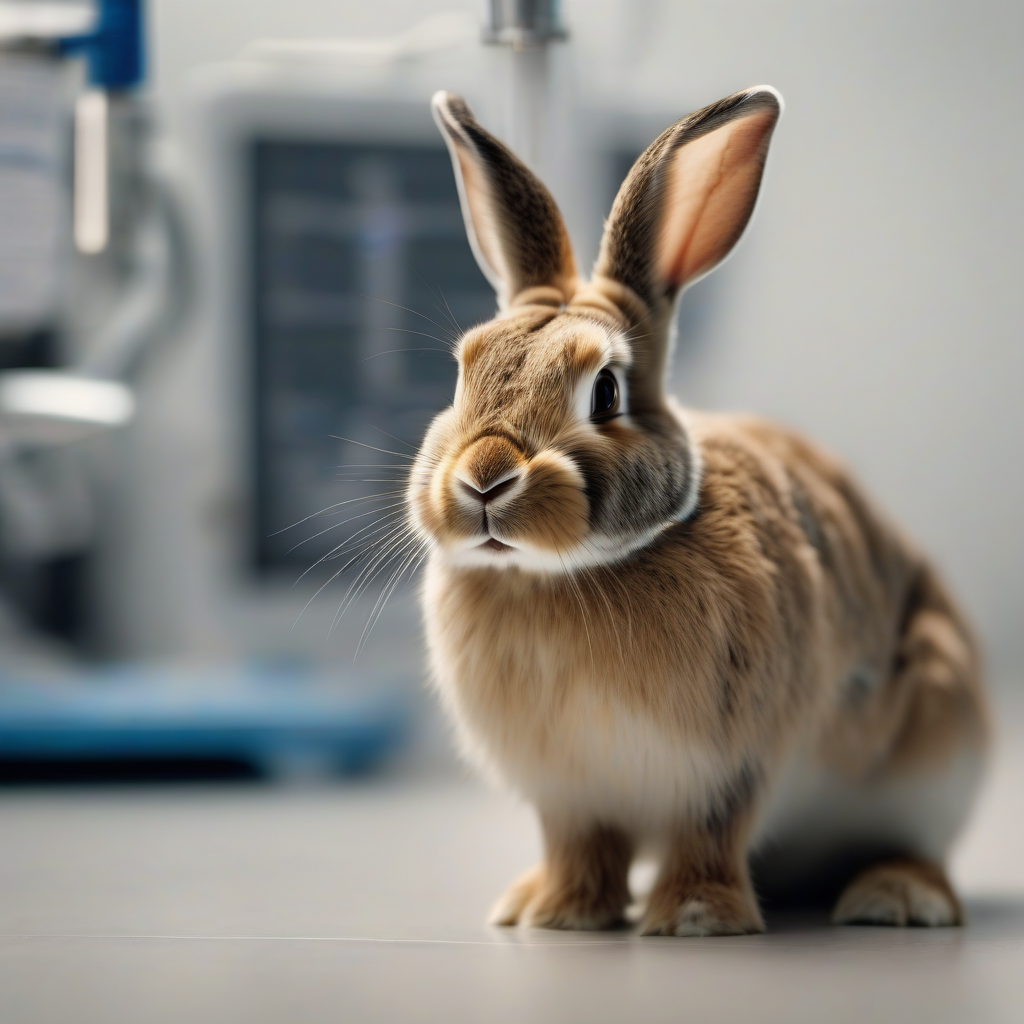
Urinary tract diseases in rabbits progress insidiously. In this article, discover how to detect your rabbit's 'Secret Urinary Tract Alarm,' decipher the neurobiological signals of pain, and implement lifesaving scientific intervention strategies.


In this article, you will discover the little-known but profound effects of the acoustic environment in rabbit living spaces on their brain health and general well-being, exploring the neurobiological consequences of both sound deprivation and overstimulation, and scientific secrets to creating a peaceful environment. Understand and optimize your rabbit's world with expert tips.

In this article, you will find comprehensive information about the insidious neurobiological effects of artificial colorings, preservatives, and flavors found in commercial bird feeds on your bird's brain health and mental vitality. We explore scientific nutritional secrets to combat these hidden dangers, shedding light on a wide spectrum of effects from behavioral changes to cognitive decline.

In this article, you can discover the scientific secrets to understanding your cat's undesirable habits, deciphering the neurocognitive mechanisms in their brain, and establishing lasting new routines.
Rabbits, by their very nature, are masters at concealing weakness and pain. As prey animals, they are programmed with a deep neurobiological code that compels them to act normally even when sick or injured. This enigmatic trait poses a significant challenge for pet rabbit owners, especially when dealing with insidious and painful conditions like urinary tract diseases. Ailments such as bladder infections, urinary stones, or "bladder sludge" can cause intense pain in rabbits, yet outward signs may be subtle or almost non-existent. So, how can we detect this 'Secret Urinary Tract Alarm' resonating within your rabbit's inner world, decipher the neurobiological dance of pain, and implement lifesaving scientific solutions?
Rabbits' pain tolerance and their ability to hide pain are evolutionary adaptations. In the wild, weakness is an invitation for predators. Therefore, rabbits can continue to appear active and healthy even when experiencing severe discomfort. Urinary tract diseases, due to their chronic and often progressive nature, are a perfect example of this "silent suffering" paradox. Pain is processed in different areas of the brain, and in rabbits, this processing is intertwined with survival mechanisms. Pain perception in cortical regions can be suppressed or masked by different behavioral outputs.
Factors such as inadequate water intake, high-calcium diets, and lack of exercise can trigger urinary problems. Specifically, overdoing it on Your Rabbit's Hidden 'Calcium Traps': 5 Unknown Neurophysiological Secrets of Dental and Bone Health! in their diet can lead to the accumulation of calcium oxalate or carbonate sludge in the bladder. Over time, this condition results in stone formation and severe pain.
Understanding your rabbit's "silent suffering" requires keen observation and the ability to recognize neurobiological-based signs. Traditional pain indicators (rapid breathing, vocalizations) usually appear in later stages. However, more insidious neurobiological signals exist:
Small but consistent deviations from your rabbit's normal routine. For example, starting to urinate outside the litter box, straining to urinate, or remaining in a hunched position for extended periods. These changes are a neurocognitive expression of increased bladder pressure and discomfort.
Painful rabbits may alter their posture to alleviate abdominal tenderness. A hunched posture, walking with their hind legs further forward, or avoiding jumping may be observed. Chronic pain can reduce overall willingness to move, leading to issues associated with Your Rabbit's Secret 'Paw Health' Secrets: The Neurobiological Impact of Flooring and 5 Scientific Solutions for Pain-Free Steps!.
Urinary tract pain can negatively impact appetite. Rabbits experiencing abdominal pain may refuse to eat or drink less water than usual. This is a reflection of stress on the gut-brain axis and can lead to adverse effects on Your Rabbit's 'Secret Gut-Brain Axes': 5 Neurological Stress Cycles Triggered by Insufficient Fiber and Scientific Nutrition Secrets!.
Rabbits are meticulous animals. Pain can reduce their motivation to groom themselves. They may struggle to reach their hind legs or genital areas, which can lead to soiling and inflammation.
Normally social rabbits may become withdrawn, interact less, or avoid being touched. They may become more tense, irritable, or even aggressive. This is a result of the neurocognitive effects of chronic pain on brain regions like the amygdala and anterior cingulate cortex.
Urinary tract infections (UTIs) are often bacterial, but bladder sludge and stones are more closely related to diet and genetic predisposition. High-calcium diets (like alfalfa), insufficient water intake, and obesity are risk factors. Calcium metabolism in rabbits is unique; they excrete excess calcium through their urine, making them prone to sludge formation.
The brain-bladder connection plays a central role in pain perception and urination behavior. Pain signals from the bladder travel via the spinal cord to the brain, where they activate regions such as the limbic system (emotion and motivation), cortex (conscious perception), and hypothalamus (stress response). Chronic pain can reshape these pathways, affecting the rabbit's overall mood, learning ability, and social behaviors. Dietary factors like Your Rabbit's Food Bowl's Hidden 'Carbohydrate Traps': The Neurobiological Impact of Sugar and 'Silent Inflammation' Secrets! can also exacerbate the general inflammatory load, negatively impacting this connection.
Early diagnosis is crucial in urinary tract diseases. The following scientific observations offer clues for veterinary intervention:
Treatment for urinary tract diseases depends on the underlying cause:
Preventive Strategies:
Recognizing your rabbit's 'Secret Urinary Tract Alarm' is key to providing them with a long, healthy, and pain-free life. Understanding these neurobiological signs and acting with scientific interventions allows us to hear their silent cries.
