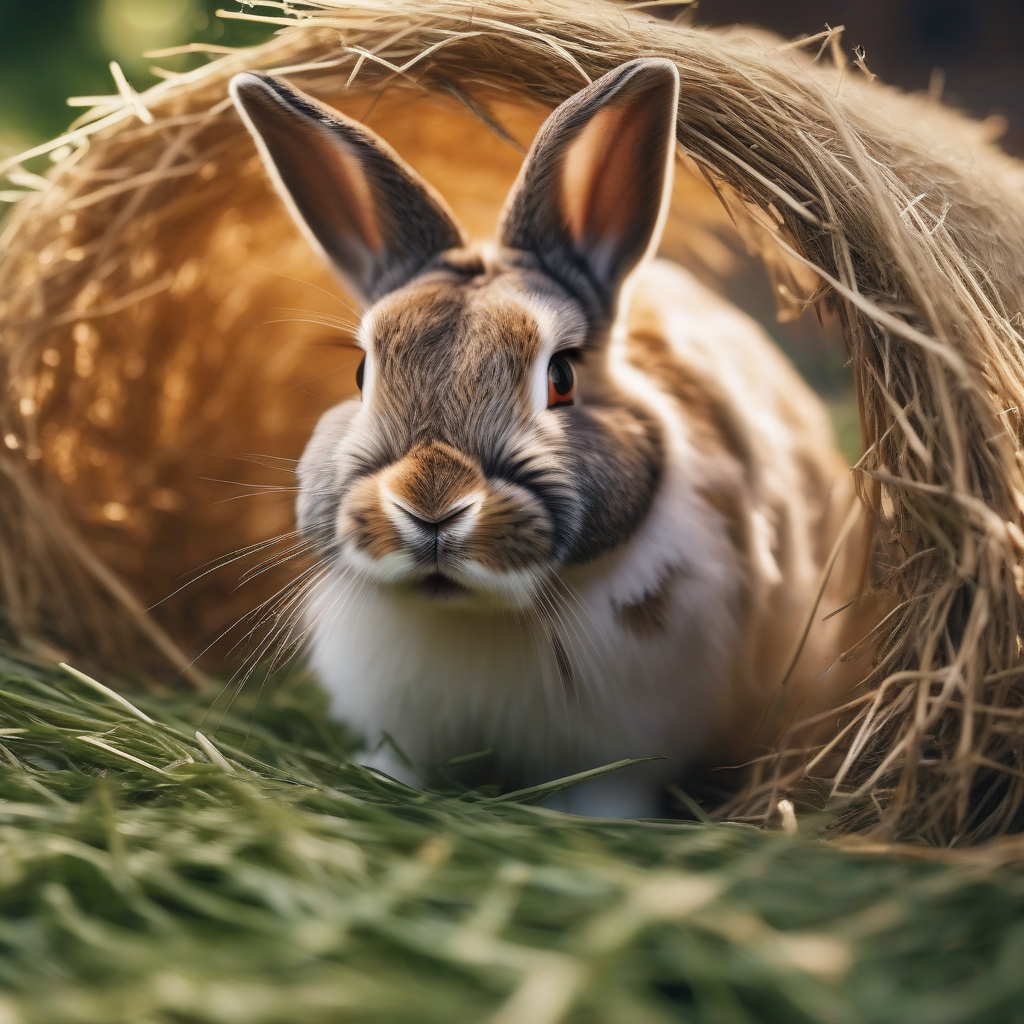
A rabbit's digestive system is far more than a simple food processing mechanism; it's intricately linked to brain function and overall well-being via a 'gut-brain axis.' In this article, you will discover the 5 insidious neurological stress cycles triggered by insufficient fiber intake in rabbits and scientific nutrition strategies to maintain this critical balance.


In this article, you will discover the little-known but profound effects of the acoustic environment in rabbit living spaces on their brain health and general well-being, exploring the neurobiological consequences of both sound deprivation and overstimulation, and scientific secrets to creating a peaceful environment. Understand and optimize your rabbit's world with expert tips.
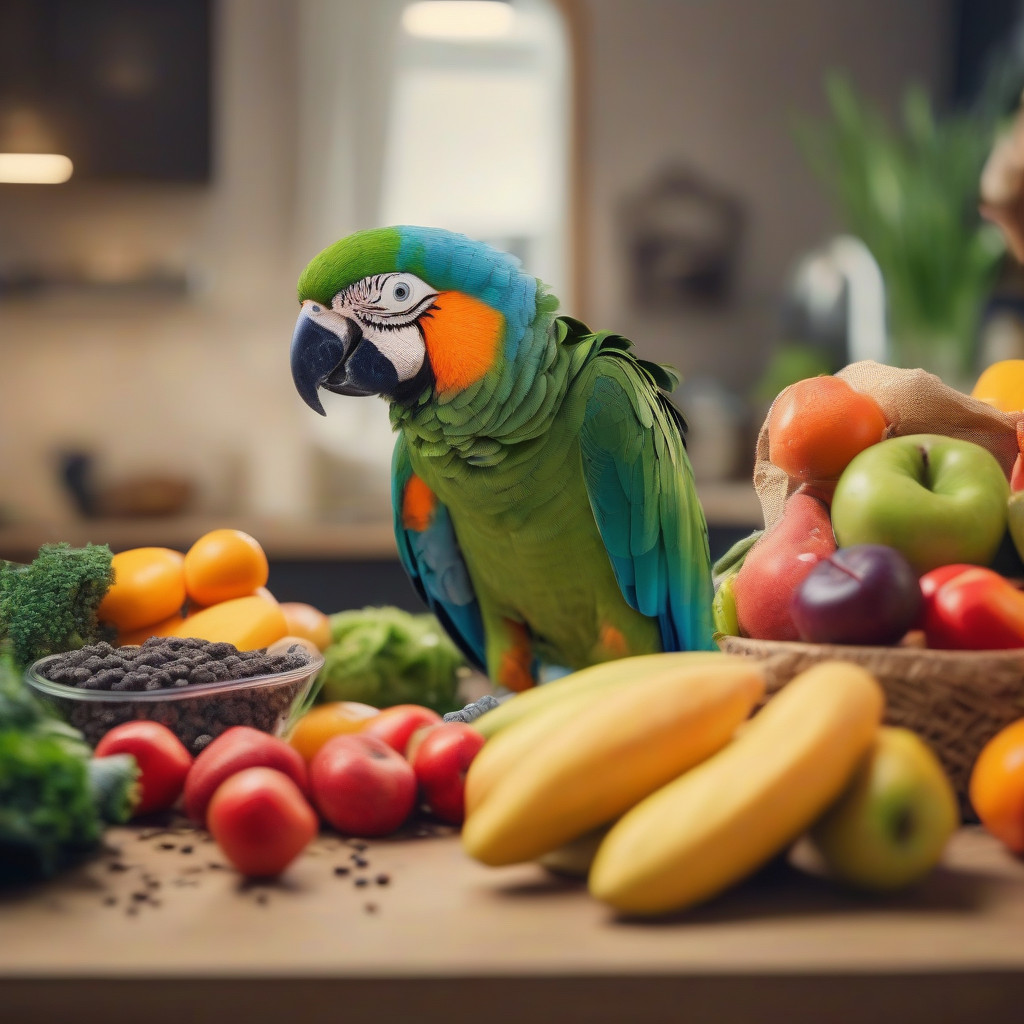
In this article, you will find comprehensive information about the insidious neurobiological effects of artificial colorings, preservatives, and flavors found in commercial bird feeds on your bird's brain health and mental vitality. We explore scientific nutritional secrets to combat these hidden dangers, shedding light on a wide spectrum of effects from behavioral changes to cognitive decline.

In this article, you can discover the scientific secrets to understanding your cat's undesirable habits, deciphering the neurocognitive mechanisms in their brain, and establishing lasting new routines.
Rabbits, by nature, possess highly sensitive and complex digestive systems. Nutrition, often associated solely with physical health, actually forms the bedrock of a rabbit's mental and behavioral well-being. Recent scientific research confirms the existence of a 'gut-brain axis' in rabbits, similar to humans—a bidirectional communication network between the gut and the brain. This hidden axis has surprising effects on mood, cognitive functions, and stress management, extending beyond mere nutrient absorption.
Unfortunately, insufficient fiber intake, common in pet rabbits, can profoundly impact this critical axis, triggering a series of insidious neurological stress cycles. As a veterinary content strategist, our goal is to illuminate these invisible threats and offer science-backed solutions to protect the physical and mental health of our small companions.
Fiber, which constitutes a large part of a rabbit's diet, is vital not only for regulating digestion but also for the health of the gut microbiota. Insufficient fiber creates a domino effect, weakening the intestinal barrier and potentially allowing harmful substances to enter the bloodstream. This not only leads to digestive problems but also initiates neurological stress cycles that directly affect brain functions.
Trillions of microorganisms (the microbiome) living in a rabbit's gut do much more than digest food. They produce metabolites like short-chain fatty acids (SCFAs), which strengthen the gut barrier and regulate inflammation. Furthermore, they indirectly influence the production of neurotransmitters such as serotonin, dopamine, and GABA. Insufficient fiber intake disrupts this delicate microbiome balance, reduces SCFA production, and can potentially impede neurotransmitter synthesis, negatively impacting the rabbit's mood and behavior. This topic is covered in more detail in our article, Your Rabbit's Food Bowl's Hidden 'Fiber Traps': 5 Insidious Dietary Secrets That Can Collapse Their Digestive System & Protective Nutrition Strategies!.
The vagal nerve is the main highway between the gut and the brain. The gut microbiome can send direct signals to the brain via the vagal nerve, influencing stress and inflammation. When insufficient fiber leads to dysbiosis (microbial imbalance) in the gut, negative signals can be sent to the brain via the vagal nerve, triggering a chronic stress response. This can manifest as anxiety, restlessness, and even aggression in the rabbit's behavior.
Insufficient fiber intake in rabbits goes beyond digestive issues, initiating a series of stress cycles that lead to complex neurological and behavioral problems. These cycles can profoundly impact your rabbit's quality of life.
Dysbiosis due to fiber deficiency triggers chronic inflammation in the gut. These inflammatory substances can cross the blood-brain barrier and cause inflammation in the brain as well. Neuro-inflammation can lead to cognitive dysfunction, lethargy, and a state that could be termed 'brain fog' in rabbits, potentially contributing to issues like Is Your Rabbit's 'Spatial Intelligence' Collapsing? 5 Hidden Neurocognitive Barriers to Training Success!.
Serotonin and dopamine are crucial neurotransmitters that regulate moods like happiness, motivation, and learning. The gut microbiome plays a key role in producing precursors for these neurotransmitters or regulating their secretion. Insufficient fiber can disrupt the function of this microbiome, leading to serotonin and dopamine imbalances, which can cause anxiety, depression-like states, and loss of motivation.
Fiber deficiency and chronic gut inflammation can lead to persistently high levels of the stress hormone cortisol. Elevated cortisol levels create chronic anxiety, increased fear responses, and a general state of restlessness in rabbits. This can hinder a rabbit's adaptation to environmental changes and negatively affect processes like The Art of Your Rabbit's 'Silent Negotiation': The Neurobiological Dance of the First 7 Days in a New Environment and Secrets to Lasting Friendship!.
Impairments in gut health can affect brain regions involved in learning and memory, such as the hippocampus. Chronic inflammation and neurotransmitter imbalances can lead to cognitive decline and reduced ability to learn new information in rabbits. This can result in difficulties during training and trouble understanding daily routines.
When all the neurological effects mentioned above combine, rabbits may exhibit abnormal behaviors and stereotypies (repetitive, purposeless behaviors). Excessive fur pulling, cage bar chewing, and constant circling can be indicators of underlying chronic stress and neurocognitive imbalances. Considering how even natural chewing behavior can relieve stress, our article Your Rabbit's Secret 'Chewing Meditation': 5 Neurobiological Secrets of Natural Foraging Behavior in Their Brain and Scientific Nutrition Strategies for Stress Relief! offers additional insights on this topic.
The most fundamental solution to break these neurological stress cycles and strengthen your rabbit's gut-brain axis is to enrich its diet with fiber. Quality fiber sources support a healthy microbiome, reduce inflammation, and improve neurotransmitter balance.
80-90% of a rabbit's diet should consist of high-quality hay (timothy, oat, orchard grass mixes). Hay is not only the primary source of fiber but also encourages continuous chewing, contributing to dental health. Offering fresh and varied types of hay supports microbiome diversity and increases SCFA production.
Daily servings of various leafy green vegetables (lettuce, arugula, parsley, cilantro, dandelion greens) and some fruits (in small amounts) provide both additional fiber and essential vitamins and minerals. These nutrients contribute to feeding the microbiome and providing antioxidant protection for brain health. However, caution should be exercised regarding Your Rabbit's Food Bowl's Hidden 'Carbohydrate Traps': The Neurobiological Impact of Sugar and 'Silent Inflammation' Secrets!.
Pelleted foods should be used as a supplement to provide balanced nutrients but should never be the main component of the diet. High-fiber, low-fat, and low-sugar pellets are preferable. Excessive pellet consumption can reduce hay intake, leading to fiber deficiency and, consequently, the neurological stress cycles mentioned above.
Carefully managing your rabbit's diet not only paves the way for a healthy digestive system but also for a happy, balanced, and mentally vibrant life. Remember, gut health is brain health, and understanding this secret axis will deepen your bond with your rabbit and enhance its quality of life.
