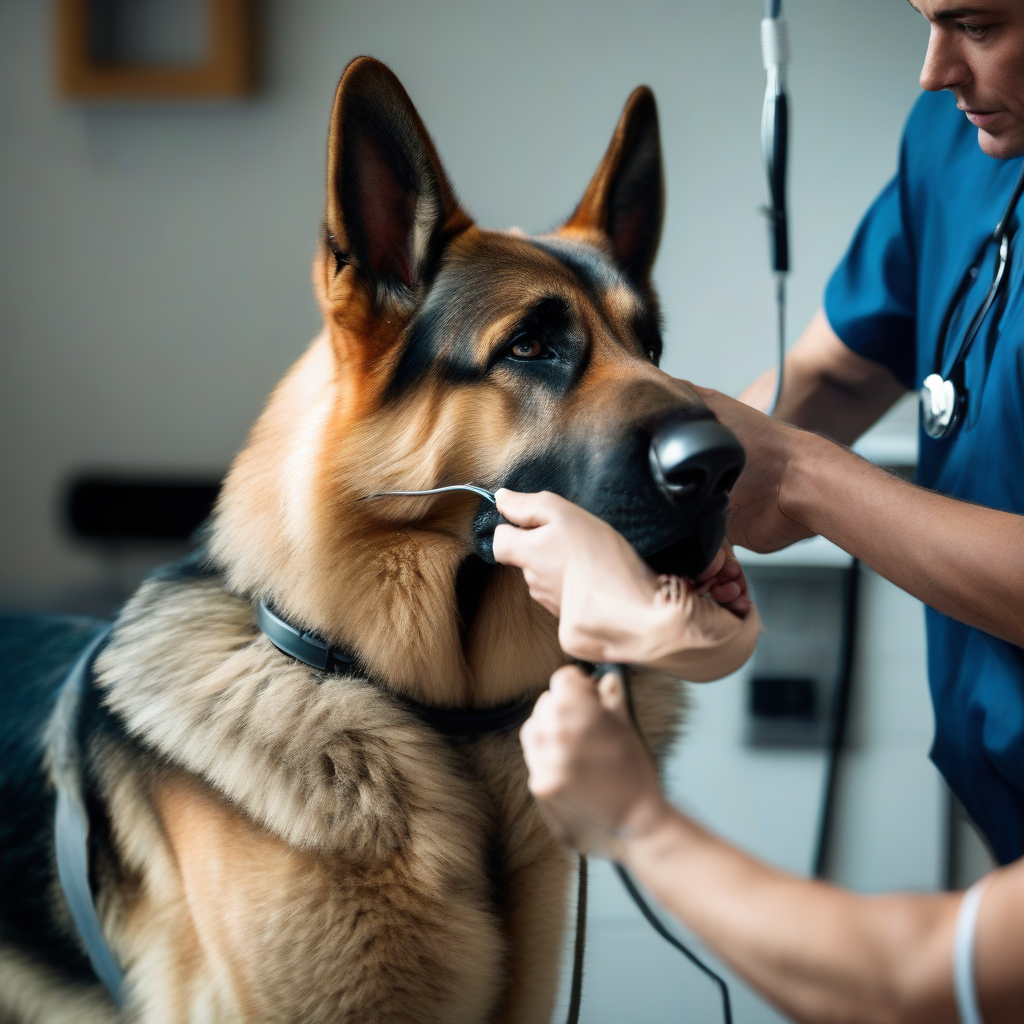
Did you know that excessive shedding in your dog might not just be seasonal? Discover the hidden health issues and solutions behind this condition.


Discover the neurobiological signals of hidden stress your newly adopted cat experiences during adaptation to a new social environment. This article reveals 5 insidious signs of your cat's silent struggle and scientific strategies for peaceful, long-term harmony.

Your dog's anal sacs, located beneath the tail, can be hidden alarm bells often overlooked but profoundly affecting their quality of life. In this article, you will discover the 5 insidious neurobiological effects of anal sac problems on the brain and the lifesaving care secrets you need to know for your furry friend to live a peaceful life.
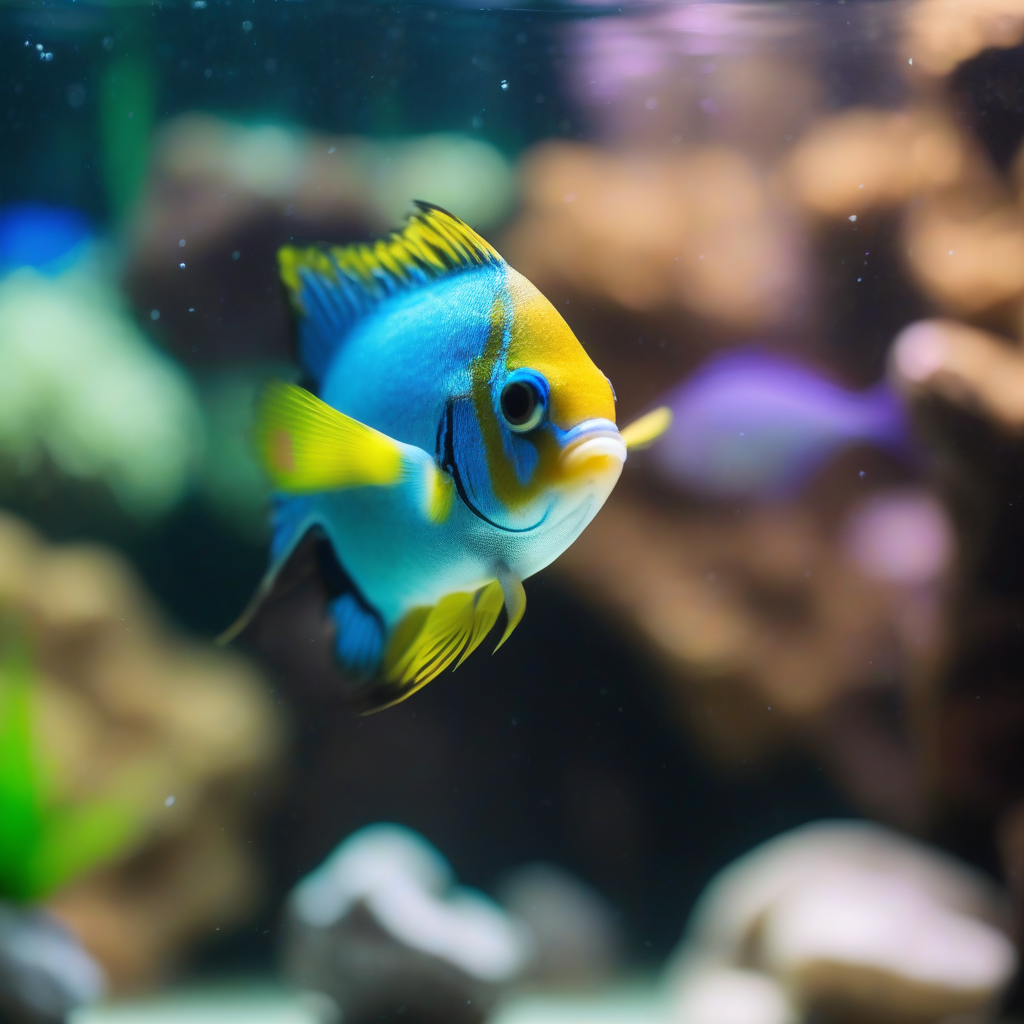
In this article, you will find comprehensive information on the insidious neurotoxic effects of heavy metal poisoning in aquarium fish, its symptoms, and lifesaving emergency intervention codes. This condition, which can arise from household water sources, improper equipment, or neglect, can severely threaten your fish's quality of life and lifespan.
The increase of fur in your home from your dog is a common issue many owners face. We often attribute this to a seasonal cycle. However, if your dog's excessive shedding continues uncontrollably, if bald patches appear in specific areas, or if there are additional symptoms like redness and itching on the skin, the situation is much more than just a seasonal change.
Many dog owners believe that increased shedding in spring and autumn is normal. This is true; dogs shed their thick winter coats to prepare for thinner summer coats, or vice versa, to adapt to the season. However, if this shedding process continues uncontrollably, if bald patches form in certain areas, or if additional symptoms like redness and itching are present on the skin, the situation is much more than just a seasonal change.
When hair loss is not seasonal, there can be various underlying medical causes. Understanding these is vital for early diagnosis and treatment.
Bacterial pyoderma or fungal infections (e.g., ringworm) can damage hair follicles, leading to localized or widespread hair loss. These infections are often accompanied by itching, redness, scaling, and sometimes a foul odor. If your dog's urge to scratch increases, be vigilant.
Just like humans, dogs can be sensitive to allergies. Environmental allergens such as pollen, dust mites, mold spores, or allergic reactions to specific foods (chicken, beef, dairy, wheat, etc.) can cause skin inflammation and subsequent excessive hair loss. Food allergies are often accompanied by digestive issues.
You can become more aware of potential allergens at home by reviewing the article Your Dog's Invisible Scent World: Hidden Stress Factors at Home and the Art of Creating Sensory Comfort Zones.
Flea bite allergy (FAD), mange (demodex or sarcoptes), ticks, and even excessive internal parasite presence are among the most common causes of hair loss. Fleas cause skin irritation and itching, leading your dog to scratch and lose hair. Mange mites burrow under the skin, causing severe hair loss and inflammation. Check your dog's fur frequently for signs of parasites on or under the skin.
Hypothyroidism (underactive thyroid) or hyperthyroidism (overactive thyroid) and Cushing's Syndrome (excess cortisol) are serious causes of hair loss. These hormonal issues often lead to symmetrical hair loss, thinning skin, dull and lifeless fur, decreased energy, and weight changes.
The article Your Dog's 'Invisible Shield': The Silent Decline of Thyroid Hormones and 5 Early Lifesaving Signals for Quality of Life! provides more information on the symptoms of thyroid problems.
A diet deficient in quality protein, essential fatty acids (omega-3 and omega-6), vitamins (especially A, E, B vitamins), and minerals (zinc, selenium) directly affects your dog's coat health. Low-quality food or unbalanced homemade diets can lead to brittle, dull fur and excessive shedding.
Articles focused on nutrition, like Fueling Your Dog's Brain Power: Essential Nutrient Secrets for Enhanced Cognitive Performance!, highlight the importance of proper nutrition for overall health.
Stress and anxiety in dogs can lead to physical symptoms, and excessive hair loss can be one of them. Issues with adapting to a new home, changes in the family, or lack of sufficient exercise or mental stimulation can increase your dog's stress levels.
The article 5 Overlooked 'Silent' SOS Signals in Your Dog's New Home Adaptation: Decode the Scientific Codes for a Peaceful Transition! focuses on symptoms during such adaptation processes.
Here are the steps to take when you notice unusual or excessive shedding in your dog:
Articles like Your Cat's 'Invisible Soundscape': Hidden Sources of Acoustic Stress at Home and the Science of Creating a Peaceful Environment! show that other environmental factors in the living space can also affect overall well-being.
Remember, whatever the cause of your dog's hair loss, early diagnosis and proper treatment will ensure they live a healthier and happier life. Your dog's health should be viewed as a whole, and changes in their coat should be seen as an important part of this entirety.
Our article titled The Hidden Power of Your Dog's Coat: Not Just Appearance, but the Key to Health! explains the role of fur as an overall health indicator in more detail.
