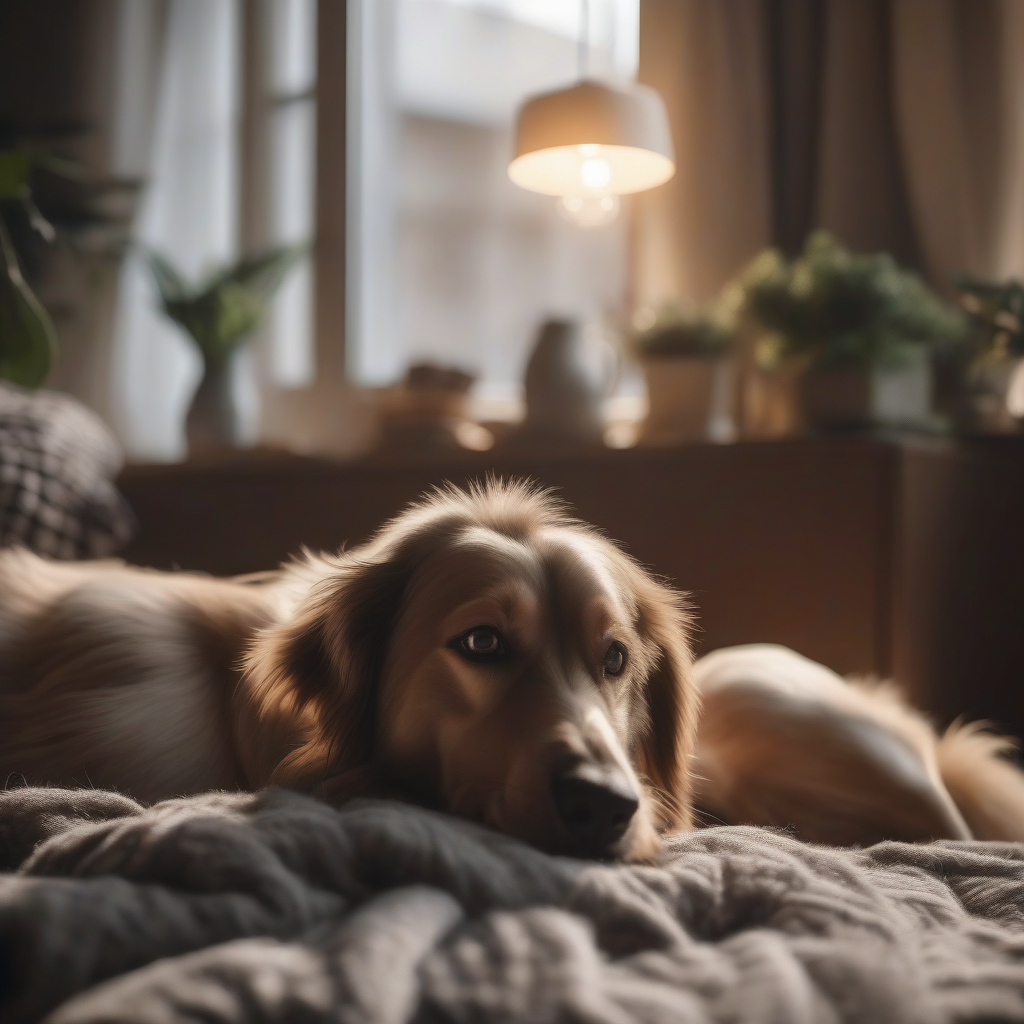
Discover the profound impact of household scents on your dog's mood and behavior. In this article, you'll find scientific ways to identify hidden stress factors at home and create sensory comfort zones for your canine companion.


In this article, you will discover the 5 insidious neurobiological effects of the Encephalitozoon Cuniculi parasite, which is often overlooked in rabbits but severely affects the brain, along with lifesaving early diagnosis methods.

In this article, we will deeply explore the insidious neurobiological effects of gut microbiome imbalance (dysbiosis) on your rabbit's brain health and provide scientific-based solutions to maintain mental vitality.

In this article, you can find comprehensive information on how pancreatitis in dogs not only affects the digestive system but also insidiously impacts the brain, its neuroinflammatory mechanisms, and lifesaving emergency intervention strategies.
For dogs, the world is a much richer palette of scents than it is for us. While the human nose has an average of 5 million olfactory receptors, a dog's nose can have anywhere from 125 million to 300 million. This extraordinary sense of smell fundamentally changes how our companions perceive their environment. Your home, filled with smells that are pleasant or unnoticed by you, can become an invisible stress laboratory or, conversely, a sanctuary of peace for your dog.
Understanding your living space not just with our eyes, but through your dog's nose, is crucial for enhancing their well-being. So, which smells in your home might be hidden stress factors for your dog, and how can we turn this situation to our advantage?
Dogs' olfactory organs, their noses, differ from humans not only in the number of receptors but also in the size of their olfactory cortex and their ability to analyze scents. Dogs can analyze scents layer by layer, distinguish past odors from present ones, and even trace the passage of time through smells. This means they experience every change, every new scent, and even the outdoor smells you bring in, much more intensely.
Household cleaning products, air fresheners, perfumes, and even vapors from your cooking habits can leave deep impressions on your dog's sensory world. While some of these scents may be completely harmless or neutral to them, many can subconsciously trigger stress or lead to physical discomfort.
Chemical Cleaning Products: Bleach, ammonia-based cleaners, and even some products claimed to be “natural” can irritate dogs' sensitive respiratory tracts and sense of smell. The strong odor of these products can cause anxiety, restlessness, and even avoidance behaviors in your dog. You might notice your dog avoiding an area with strong cleaning smells or licking excessively.
Perfumes and Air Fresheners: Scents pleasant to humans can be overpowering and overwhelming for dogs. Artificial fragrance molecules can disrupt your dog's natural olfactory world and lead to stress. Especially frequently used air fresheners or diffusers can create a constant sensory overload, making it difficult for your dog to calm down.
Essential Oils: While some essential oils are considered relaxing for humans, they can be toxic to dogs. Products like tea tree oil, citrus oils, and cinnamon oil can cause poisoning symptoms when diffused or applied to the skin. The strong scent of these oils can also negatively affect your dog's nervous system.
New Items and Materials: New furniture, carpets, or clothing often have a “new” scent. These smells can alter your dog's existing “scent map,” leading to uncertainty and stress. You might observe your dog approaching a new object cautiously or spending a long time sniffing it.
To enhance your dog's sensory well-being, you should consciously manage the olfactory environment in your home. Here are some scientifically based recommendations:
Natural and Scent-Free Cleaning: When cleaning your home, use scent-free and pet-friendly cleaning products as much as possible. Natural alternatives like vinegar and baking soda are much safer than harsh chemicals. Ensuring good ventilation after cleaning helps disperse chemical residues and odors.
Ventilation and Filtering: Regularly ventilate your home. Air purifiers can filter out allergens and bad odors, improving overall air quality. This can be particularly beneficial for dogs with allergies or respiratory sensitivities, as discussed in The Hidden Power of Your Dog's Coat: Not Just Appearance, but the Key to Health!.
Your Dog's Own Scent: If your dog has their own bed or blanket, avoid washing them too frequently. Their own scent creates a sense of security and belonging for them. This is a crucial factor in building trust, similar to other species, as detailed in First Steps with Your Rabbit: Hidden Trust Codes and the Art of Adapting to a New Home (2026).
Pheromone Diffusers: Discuss with your veterinarian the possibility of using pheromone diffusers designed for dogs. These products can help reduce anxiety by releasing synthetic pheromones that dogs naturally find calming. This can positively impact their overall Your Dog's 'Secret Mood' Codes: 5 Scientific Secrets Behind Their Ununderstood Behaviors!.
Scent Enrichment: Some scents can be calming for dogs, such as lavender (in very low concentrations and with veterinary approval), vanilla, or natural earthy smells that your dog enjoys. However, always be cautious and observe any reactions. As mentioned in our article Your Dog's Hidden Scent Lab: Detect Invisible Dangers in Your Home Environment in 5 Seconds!, dogs' sense of smell is extremely sensitive and vital for protecting them from dangers.
Sensory Variety: You can enrich your dog's world not only with scent but also with tactile and auditory stimuli. Beds with different textures, interactive toys, and calming music can make their living space more comfortable. For more information, you can refer to our articles Your Dog's 'Secret Tactile Map': How Home Surfaces, Furniture, and Toys Shape Their Emotional Health and Create Happiness Zones and Your Dog's Invisible Sound Map: Scientific Secrets to Breaking Acoustic Stress at Home and Finding Peace.
Understanding and managing the invisible scent world at home is a crucial step that directly impacts your dog's physical and emotional health. With scientific approaches and conscious choices, you can create not just a house, but a living space full of peace and comfort for your furry friend. Remember, a happy dog is a well-understood dog. Do not neglect regular communication with your veterinarian to determine the most suitable solutions for your dog's individual needs.
