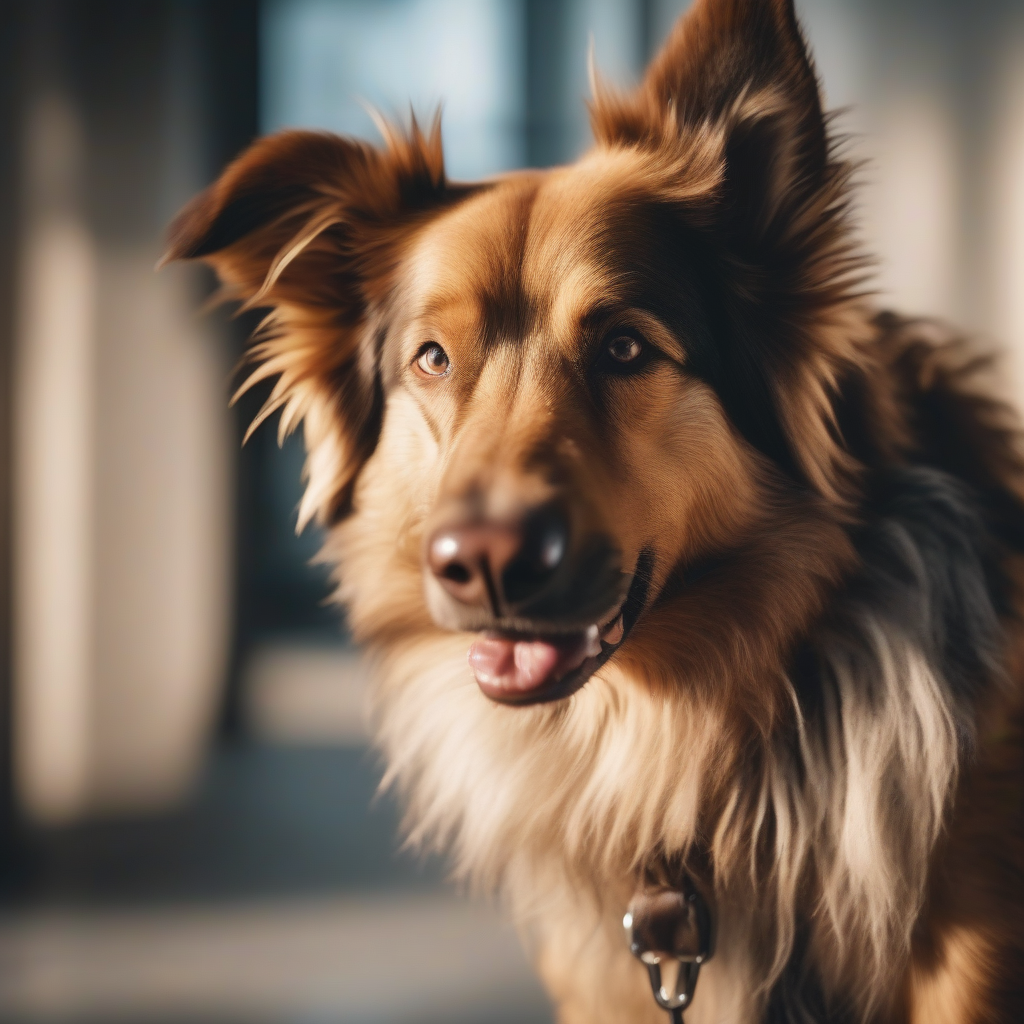
Did you know that your dog's coat is not just an aesthetic feature, but a critical indicator reflecting their health status? Discover the unknown secrets of in-depth coat care and its impact on your dog's overall well-being in this article.


Discover the neurobiological signals of hidden stress your newly adopted cat experiences during adaptation to a new social environment. This article reveals 5 insidious signs of your cat's silent struggle and scientific strategies for peaceful, long-term harmony.

Your dog's anal sacs, located beneath the tail, can be hidden alarm bells often overlooked but profoundly affecting their quality of life. In this article, you will discover the 5 insidious neurobiological effects of anal sac problems on the brain and the lifesaving care secrets you need to know for your furry friend to live a peaceful life.
In this article, you will find comprehensive information on the insidious neurotoxic effects of heavy metal poisoning in aquarium fish, its symptoms, and lifesaving emergency intervention codes. This condition, which can arise from household water sources, improper equipment, or neglect, can severely threaten your fish's quality of life and lifespan.
The bright, full, and healthy coat of our dogs often catches our attention first. However, this is not just a matter of aesthetics; the coat is one of the most important indicators of your dog's overall health. Changes in your dog's coat texture can be a harbinger of many unseen problems. In this article, we will explore how dog coat care is more than just brushing, requires a deep scientific understanding, and is critically important for your dog's health.
A dog's coat texture is influenced by many factors, including genetic traits, nutritional habits, living environment, general health status, and even stress levels. Healthy coats are generally shiny, vibrant in color, flexible, and strong. While shedding is a normal process, excessive hair loss, dullness, brittleness, color loss, or flaking can indicate an underlying health issue.
Hair follicles are small sacs in the skin from which hairs grow. The health of these follicles directly determines the quality of the hair. Inadequate nutrition, especially deficiencies in essential fatty acids, vitamins, and minerals, can weaken hair follicles and negatively impact hair production. For example, a lack of omega-3 and omega-6 fatty acids can lead to dull and dry fur. This highlights how important dietary adjustments are for improving your dog's overall health. As mentioned in the article Your Dog's Hidden Immune Shield: The Unknown Role of Digestive Enzymes and Health Secrets (2026), digestive system health directly affects nutrient absorption and, consequently, coat health.
Hair loss in dogs is quite normal due to seasonal changes or natural renewal cycles. However, excessive and sudden hair loss can signal serious problems:
Here are science-based care strategies you can implement to keep your dog's coat healthy and shiny:
Brushing not only reduces shedding but also stimulates blood circulation by massaging the skin. This improves the nourishment of hair follicles. It's important to choose a brush appropriate for your dog's coat type. Rubber brushes are recommended for short-haired dogs, while slicker brushes or pin brushes are suitable for long-haired dogs. This routine, as mentioned in the article Your Cat's Coat Care Secrets: Hidden Sources of Shine and Health Codes, is an opportunity for bonding and relaxation, not just for appearance.
A balanced diet rich in quality protein sources, essential fatty acids (omega-3 and omega-6), vitamins (A, E, B complex), and minerals (zinc, copper) is fundamental for coat health. Using supplements like fish oil, as recommended by your veterinarian, can significantly improve coat shine and health. Articles like The Secret Fuel for Your Dog's Brain Power: Essential Nutrient Secrets to Boost Cognitive Performance! also highlight the impact of nutrition on overall health.
Using pH-balanced shampoos specifically formulated for dogs is important. Bathing too frequently can disrupt the skin's natural oil balance, leading to dry and dull fur. Determine the bathing frequency based on your dog's coat type and lifestyle. Avoid human shampoos containing synthetic detergents.
Regularly check your dog's coat for changes. Consult your veterinarian immediately if you notice symptoms such as abnormal shedding, redness, crusting, flaking, or color changes in the fur. These symptoms can be indicators not only of coat health but also of more serious underlying health issues. For example, even in cases of heat imbalance mentioned in the article Hidden Dangers of Your Dog's Body Temperature: Signs of Sudden Hypothermia and Hyperthermia and Lifesaving First Aid Secrets, coat texture can be affected.
Your dog's coat is part of the invisible bond you share and is the most obvious sign of their health. The care you show to their coat not only makes them look better but also contributes to their long, healthy, and happy life. Remember, the shine of a dog's coat is a reflection of their inner well-being and overall health.
