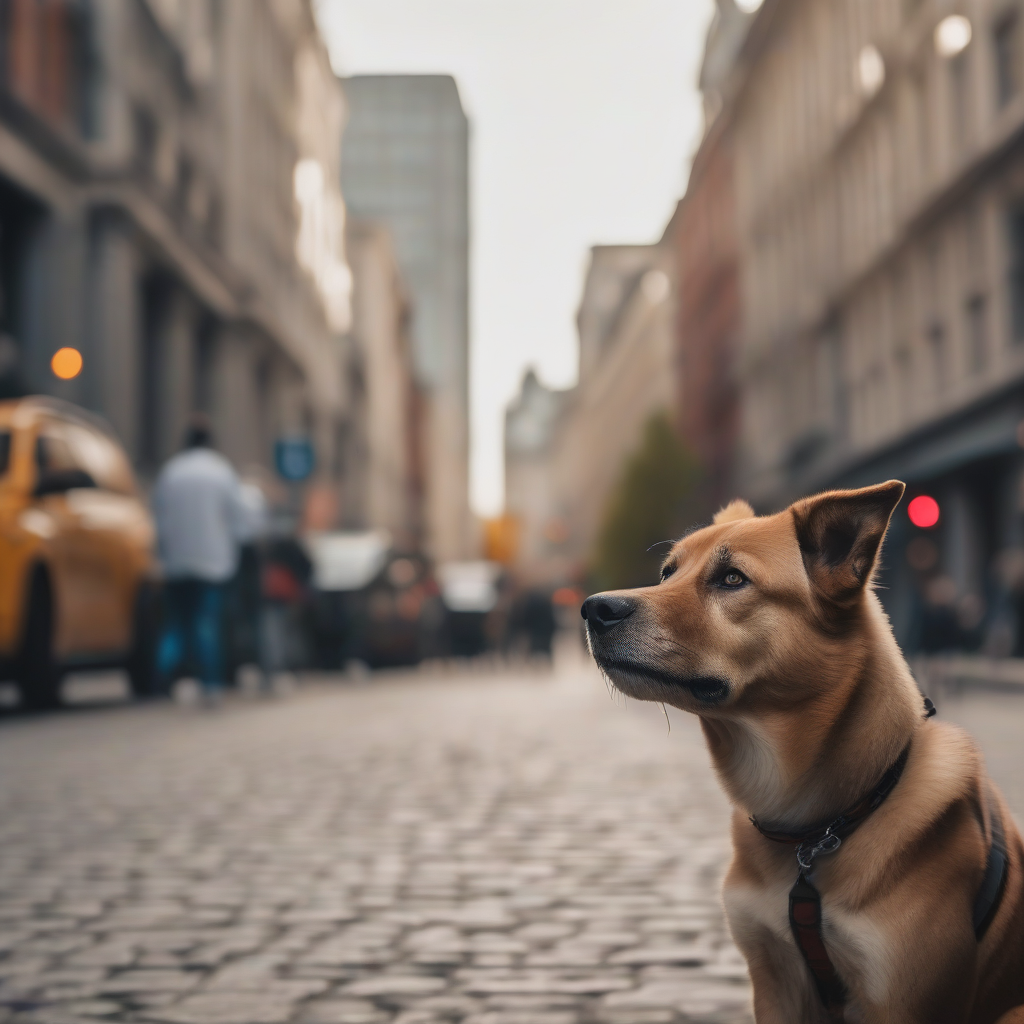
In this article, you will discover ways to understand your adopted dog's hidden urban anxiety and provide them with a peaceful life in urban environments through scientific socialization strategies.


Discover the neurobiological signals of hidden stress your newly adopted cat experiences during adaptation to a new social environment. This article reveals 5 insidious signs of your cat's silent struggle and scientific strategies for peaceful, long-term harmony.

Your dog's anal sacs, located beneath the tail, can be hidden alarm bells often overlooked but profoundly affecting their quality of life. In this article, you will discover the 5 insidious neurobiological effects of anal sac problems on the brain and the lifesaving care secrets you need to know for your furry friend to live a peaceful life.
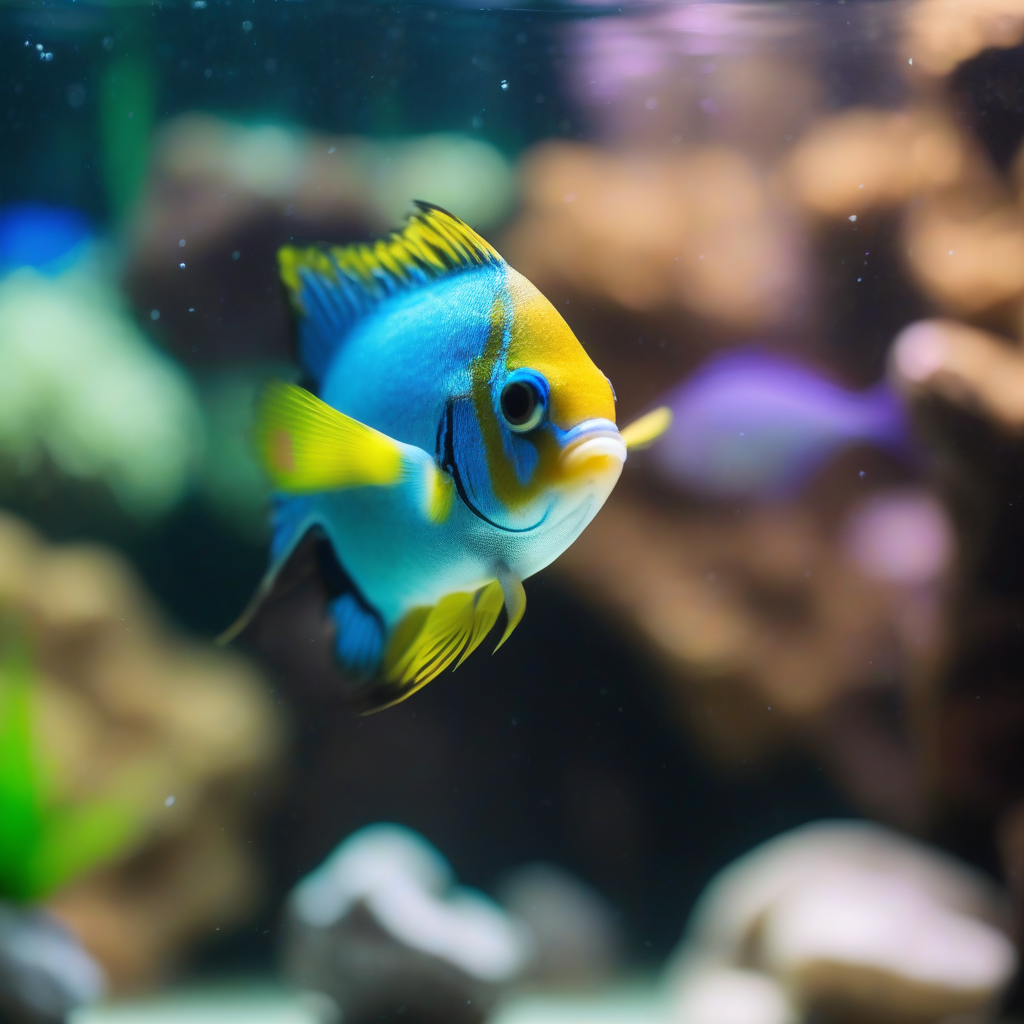
In this article, you will find comprehensive information on the insidious neurotoxic effects of heavy metal poisoning in aquarium fish, its symptoms, and lifesaving emergency intervention codes. This condition, which can arise from household water sources, improper equipment, or neglect, can severely threaten your fish's quality of life and lifespan.
Adopting a dog marks an exciting new beginning for both you and your furry friend. However, for dogs, especially those from shelters or more rural backgrounds, urban life can present far more stress factors than we might anticipate. The unique noises, crowds, fast-moving vehicles, and constantly changing stimuli of a city environment can create 'invisible urban anxiety' in your dog. This anxiety can lead to behavioral issues, making the post-adoption adjustment period challenging. In this article, we'll explore scientific ways to understand your dog's urban stress and effective socialization strategies you can implement to offer them a peaceful city life.
While dogs are accustomed to complex sensory input in their natural environments, the intense and often unpredictable stimuli of an urban setting can overload their sensory systems. This can lead to anxiety, fear, and even aggressive behaviors.
Cities are subjected to a constant barrage of noise from car horns, sirens, construction machinery, human crowds, and traffic. Since dogs' hearing is far more sensitive than humans', these sounds can become unbearable for them. Constant exposure to loud noises can lead to chronic stress and increased auditory sensitivity. Your dog flattening their ears, looking around restlessly, or flinching at sudden sounds could be signs of this overload. Our article Your Dog's Invisible Sound Map: Scientific Secrets to Breaking Acoustic Stress and Finding Peace at Home will guide you on managing acoustic stress at home.
Constantly moving people, vehicles, bicycles, and sudden changes in light in the city can exhaust your dog's visual system. Especially dogs with past traumas or those genetically more timid may perceive this visual clutter as a threat. Squinting, turning their head away, or wanting to hide are signs of visual overstimulation.
Dogs' most dominant sense is smell, and cities offer an incredible richness of odors, from humans and other animals to garbage bins and exhaust fumes. This continuous bombardment of smells can weary a dog's brain and elevate stress levels. The act of sniffing, which should normally be comforting, can turn into a source of anxiety in the city.
Helping your dog cope with urban anxiety requires patience and a scientifically-backed approach. Here are some strategies you can implement:
One of the most effective ways to help your dog get used to the city is through controlled exposure and desensitization. This involves gradually exposing them to stressors with positive experiences:
Having areas where your dog feels safe is crucial for managing their stress in an urban environment. Create a crate or a bed for them at home. Ensure this area is a comfortable sanctuary, isolated from the outside world. Additionally, identify 'escape routes' during walks for potentially stressful situations (noisy construction sites, crowded streets). Our articles Your Dog's Secret Color World: Invisible Safety Codes and Psychological Comfort Zones at Home and Your Dog's Secret 'Stress Points': The Art of Habitat Restriction to Create a Peaceful Home! can help you create safe spaces at home.
Accurately reading your dog's stress signals allows you to respond appropriately to their needs. Signs like yawning, lip-licking, turning their head away, or tucking their tail between their legs can indicate stress. When you notice these signals, take steps to alleviate the situation: lead them to a calm place, distract them, or engage in a comforting interaction. To better understand your dog's and other dogs' social signals, you can read our article Your Dog's Invisible Social Signals: Scientific Codes to End Misunderstanding!.
Leash walks on busy city streets can be challenging, especially for excited or timid dogs. Preventing your dog from pulling and providing them with a more controlled walking experience will be more enjoyable for both of you. Loose-leash walking training involves patiently working with sudden distractions and rewarding desired behavior with positive reinforcement. For more advanced techniques, you can refer to the article Your Dog's Uncontrolled Excitement: Advanced Balance Training Secrets to End Jumping, Bouncing, and Leash Pulling!.
Implementing supportive strategies within the home environment is also crucial for your dog's long-term well-being.
Create areas in your home where your dog can calm down, isolated from outside noise and movement. This could be a crate, a bed, or just a quiet corner of a room. These areas should be sanctuaries where your dog can retreat and feel safe during stressful moments.
In the face of urban life's unpredictability, establishing daily routines for your dog will provide them with a sense of stability and security. Performing activities like feeding, potty breaks, and walks at regular times will help your dog feel more secure. This helps reduce their anxiety and promotes faster adaptation to their new environment.
If your dog's urban anxiety becomes extreme, diminishes their daily quality of life, or leads to aggressive behaviors, do not hesitate to seek help from a veterinary professional or a certified dog behavior specialist. Professional support can help you create a personalized plan for your dog's specific needs, offering them a happier, more peaceful city life.
Understanding and managing your dog's invisible urban anxiety is key to a successful post-adoption adaptation process. By implementing scientific socialization strategies, you can ensure your furry friend leads a peaceful and happy life, even in an urban environment.
