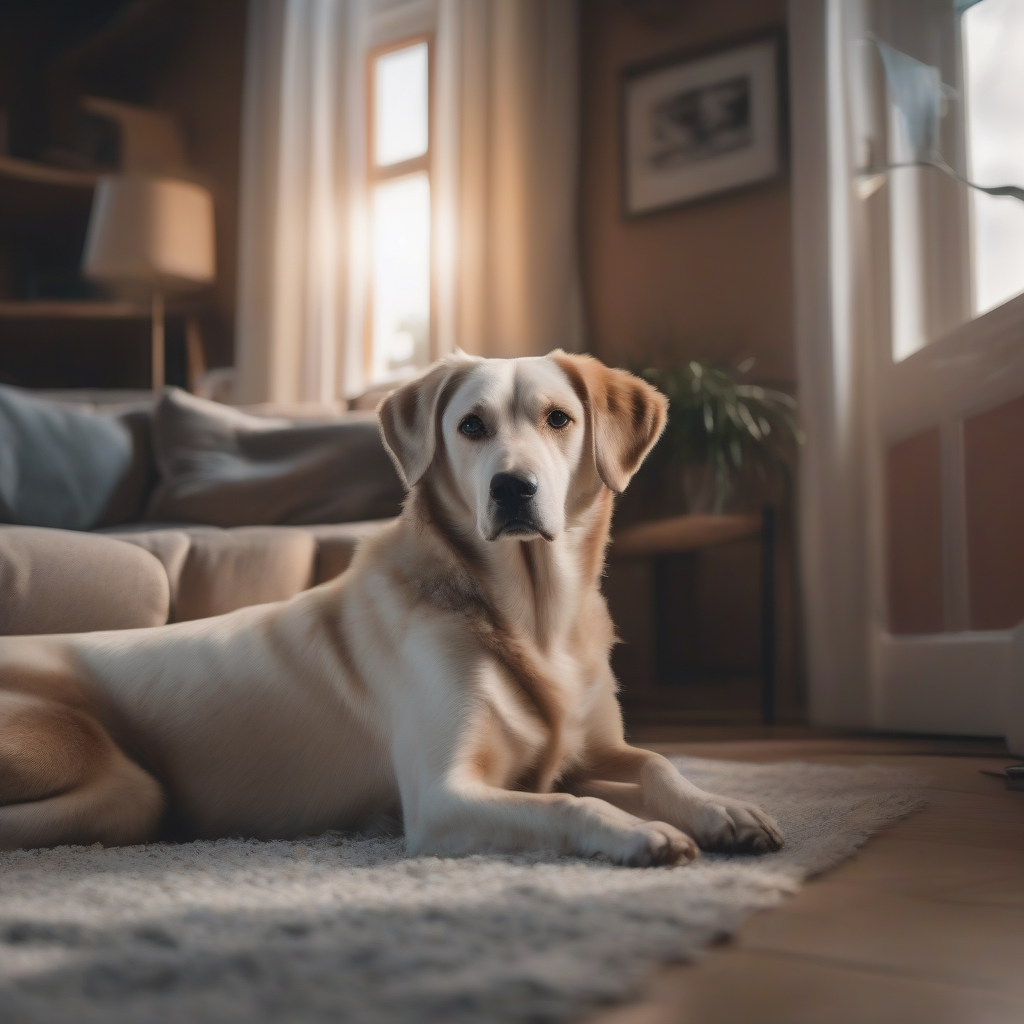
In this article, we'll delve into how dogs perceive the world, and how their perception of color and contrast in their home environment impacts their safety and psychological comfort. Discover the secrets to designing your dog's living space from their perspective.


Discover the neurobiological signals of hidden stress your newly adopted cat experiences during adaptation to a new social environment. This article reveals 5 insidious signs of your cat's silent struggle and scientific strategies for peaceful, long-term harmony.

Your dog's anal sacs, located beneath the tail, can be hidden alarm bells often overlooked but profoundly affecting their quality of life. In this article, you will discover the 5 insidious neurobiological effects of anal sac problems on the brain and the lifesaving care secrets you need to know for your furry friend to live a peaceful life.
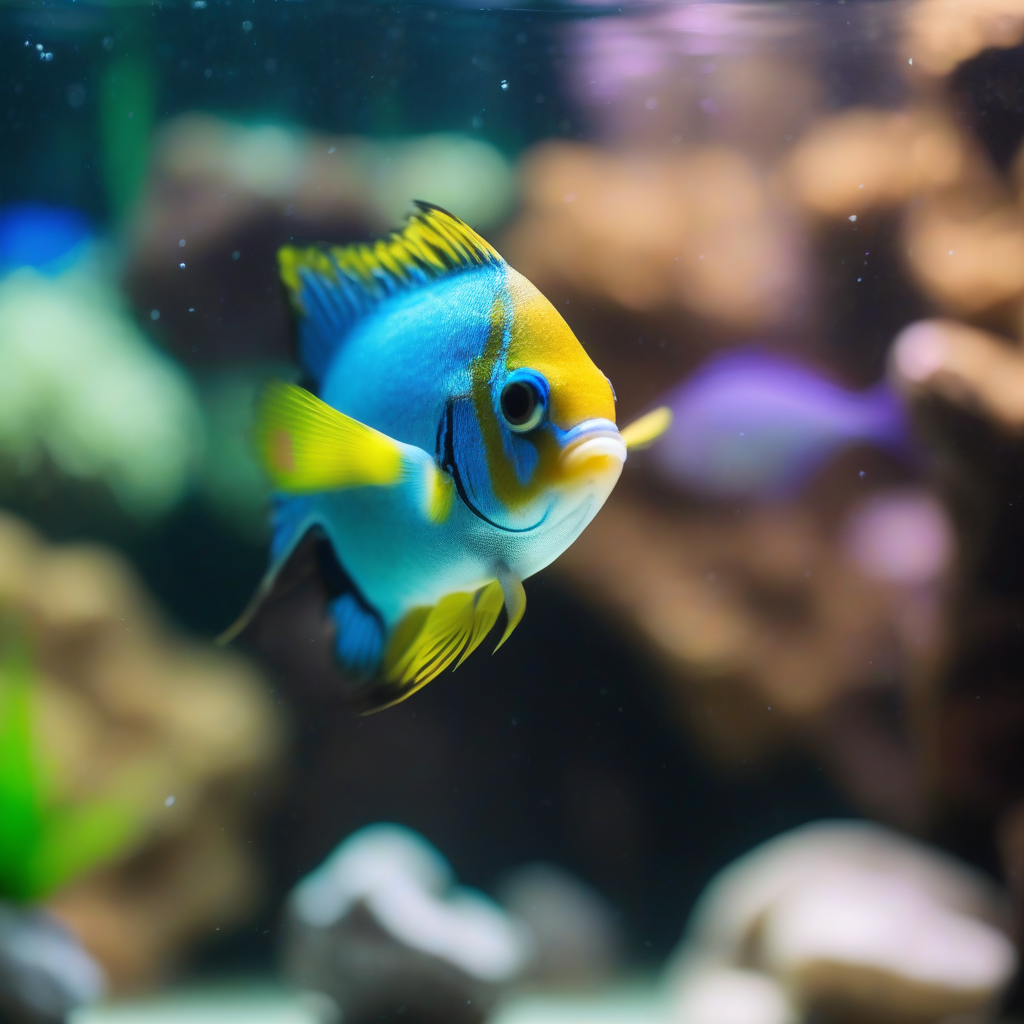
In this article, you will find comprehensive information on the insidious neurotoxic effects of heavy metal poisoning in aquarium fish, its symptoms, and lifesaving emergency intervention codes. This condition, which can arise from household water sources, improper equipment, or neglect, can severely threaten your fish's quality of life and lifespan.
Our beloved canine companions experience the world in ways quite different from us humans. While their senses of smell and hearing often take center stage, how dogs visually perceive their home environment plays a crucial, yet often overlooked, role in their safety, comfort, and overall psychological well-being. So, how do dogs truly see their homes? Understanding the world through their eyes is key to transforming their living spaces from mere shelters into veritable havens.
Unlike humans who perceive three primary colors (red, green, blue), dogs are dichromats; meaning they primarily perceive two main colors: blue and yellow. This implies they typically see red and green hues as shades of gray or brownish tones. Purples are perceived as blue, while oranges and yellows are seen as shades of yellow. This means that elements like your colorful toys, carpet patterns, or wall paints in your home are interpreted differently by them than by us.
This color perception directly influences how elements like your carpet, wall paint, or bed choices affect your dog. For instance, a red toy, vibrant and appealing to the human eye, might appear gray or dull to your dog. This can impact its potential to engage them during play. Therefore, when choosing toys for dogs, opting for blue or yellow tones can enhance their play motivation.
Beyond color perception, dogs exhibit some differences from humans in contrast perception. They can see better, especially at dusk or in low-light conditions. Sharp contrasts between objects help them discern their surroundings more clearly. This is vital for safety in critical areas like furniture edges, door thresholds, or stair steps. Contrasting surfaces can act as a kind of 'invisible roadmap' for them.
Understanding your dog's visual world allows you to take proactive steps to prevent accidents and enhance safety at home. For example, clear glass doors or low glass tables, which a dog might not easily see, can cause serious collisions. To mitigate such situations, applying colored stickers or tape to the glass can help your dog recognize a barrier, preventing accidents.
In potentially hazardous areas like stairs, ensuring clear color or tone contrast between steps reduces the risk of falls, especially for older dogs or those with diminishing eyesight. Placing food and water bowls in locations that contrast with the floor and are easily discernible is also important. These simple strategies can eliminate many daily dangers. With small adjustments made at home, you can create a much safer environment for your companion.
The use of color and texture in pet living spaces should be approached not only for aesthetic reasons but also for their psychological impact on your dog's mood and behavior. For example, choosing calming blue or yellow-toned cushions or beds for resting areas can help create a peaceful environment. These colors, being more distinct in their visual spectrum, can help them more easily adopt these areas.
On the other hand, providing toys in brighter, more contrasting colors in play areas can attract their attention and increase mental stimulation. Toys and chew materials with different textures also support their visual perception while fulfilling their physical and mental needs. Some dogs may find certain colors or patterns more engaging than others. Observing their individual preferences and customizing their living spaces accordingly allows you to offer a richer experience.
Natural light plays a vital role in regulating your dog's circadian rhythm (sleep-wake cycle). A living space with adequate natural light helps them develop more regular sleep habits and balance their overall energy levels. Creating sunbathing spots by windows indirectly contributes to vitamin D synthesis while also providing environmental observation and mental stimulation.
However, excessively bright or direct artificial lights, especially with prolonged exposure, can be a source of stress or discomfort for some dogs. Flickering lights (like some fluorescent lamps) or very intense lighting can be tiring for their sensitive eyes. Using dimmer, warmer-toned lights in the evenings can facilitate their transition to rest. Shadowy areas are also important. Dogs need shaded, secluded corners to both escape heat and feel secure. Creating such 'safe havens' in your home helps reduce their stress levels and makes them feel safe. As mentioned in the article Your Dog's Invisible Social Signals: Scientific Codes to End Misunderstanding!, a secure environment allows your dog to express their body language more openly and positively.
As dogs age, their vision may decline. Conditions like cataracts or glaucoma can significantly affect their perception of the environment. In such cases, maintaining a consistent home arrangement, avoiding frequent relocation of furniture, and using non-slip mats on floors are crucial. Furthermore, being knowledgeable about emergency topics like Your Dog's Invisible Choking Danger: 5 Secret Intervention Techniques That Save Lives in Seconds and Emergency Guide is critically important for ensuring their safety. Again, creating safe pathways using contrasting colored strips or scented markers can help these dogs navigate the home more independently. Adapting to changes in their visual abilities is an important part of improving their quality of life and keeping them safe.
Understanding how your dog sees its home not only ensures their safety but also opens the door to creating an enriching living space that supports their physical and mental health. By looking through their eyes, you can truly make your house a home. Remember, when considered alongside topics like Your Dog's Secret Brain Fuel: Essential Nutrient Secrets to Boost Neurocognitive Performance! and Your Dog's Gut Microbiome: From Silent Inflammation to Allergies, The Scientific Secrets of Pre/Probiotics (March 2026), you adopt a holistic approach to your dog's overall health and happiness. Providing the best for your companion by taking a deep dive into their world is within your reach.
