
In this article, you will discover the secrets of overlooked essential nutrients that will elevate your dog's brain health and neurocognitive performance to its peak. We examine the critical role of nutrition for optimal brain function with scientific data.


Discover the neurobiological signals of hidden stress your newly adopted cat experiences during adaptation to a new social environment. This article reveals 5 insidious signs of your cat's silent struggle and scientific strategies for peaceful, long-term harmony.

Your dog's anal sacs, located beneath the tail, can be hidden alarm bells often overlooked but profoundly affecting their quality of life. In this article, you will discover the 5 insidious neurobiological effects of anal sac problems on the brain and the lifesaving care secrets you need to know for your furry friend to live a peaceful life.
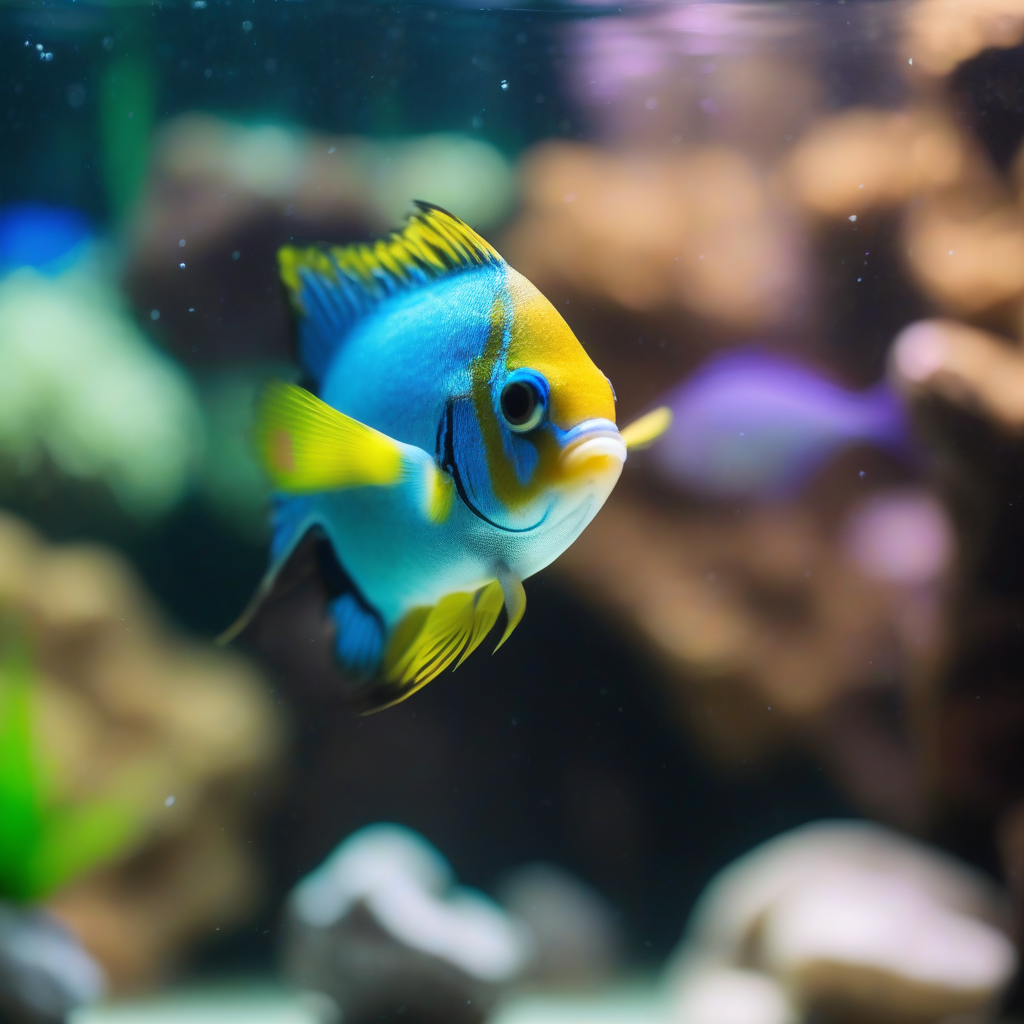
In this article, you will find comprehensive information on the insidious neurotoxic effects of heavy metal poisoning in aquarium fish, its symptoms, and lifesaving emergency intervention codes. This condition, which can arise from household water sources, improper equipment, or neglect, can severely threaten your fish's quality of life and lifespan.
The place of our beloved companions in our lives is undeniable. Not only their physical health but also their mental sharpness, learning abilities, and overall quality of life are of great importance to us. However, we often overlook the deep and hidden effects of nutrition on our dog's brain functions. There are essential "fuels" that nourish not only their muscles and organs but also their complex brain structures and neuronal connections. As of March 2026, in light of the latest scientific findings, WikiPet is excited to present the nutritional secrets that will elevate your dog's neurocognitive performance to its peak.
In this article, we will examine in detail how you can naturally enhance your dog's intelligence, memory, and problem-solving skills, which nutrients are indispensable for brain health, and what you should pay attention to in their diet.
Omega-3 fatty acids, especially Docosahexaenoic Acid (DHA) and Eicosapentaenoic Acid (EPA), are absolutely essential for your dog's brain health. DHA is a primary structural component of brain and retinal tissue, playing a vital role in brain development, especially during puppyhood. Studies have shown that puppies supplemented with DHA perform better on cognitive tests. In older dogs, EPA and DHA can help slow cognitive decline and alleviate the effects of age-related neurodegenerative diseases.
You can provide these powerful fatty acids from oily fish like salmon and sardines, fish oil supplements, or certain microalgae sources. The omega-3/omega-6 balance in your dog's diet is also critically important; it is advisable to consult your veterinarian for the ideal ratio.
The brain is highly vulnerable to free radicals due to its high metabolic activity. These free radicals can create oxidative stress, damaging neurons and leading to a decline in cognitive function. Antioxidants act as a shield against these harmful agents. Components such as Vitamin E, C, selenium, alpha-lipoic acid, and flavonoids protect brain cells, supporting healthy aging.
Adding safe and appropriate amounts of antioxidant-rich fruits and vegetables (with veterinary approval) to your dog's food can significantly contribute to brain health.
B vitamins are essential cofactors for your dog's nervous system and brain health. Specifically, Vitamins B6, B9 (folate), and B12 are vital for the synthesis of chemical messengers called neurotransmitters. Neurotransmitters form the basis of the brain's communication network; substances like serotonin, dopamine, and norepinephrine directly affect mood, learning, memory, and motivation.
High-quality animal protein sources (such as organ meats like liver), eggs, and some vegetables are rich in B vitamins.
Choline is a precursor to an important neurotransmitter called acetylcholine. Acetylcholine plays a critical role, especially in memory and learning processes. Choline intake is of great importance for brain development in puppies and for maintaining cognitive functions in older dogs.
In aging dogs, the brain's ability to use glucose (sugar) may decrease. In this case, medium-chain triglycerides (MCTs) can help the brain produce ketone bodies, an alternative energy source. There is evidence that MCT supplementation improves cognitive functions, especially in older dogs with canine cognitive dysfunction syndrome (CDS). Coconut oil is a natural source of MCTs. However, it is essential to consult a veterinarian regarding dosage and administration.
High-quality proteins provide the essential amino acids necessary for brain health. Tryptophan is a precursor to serotonin production, while tyrosine is a precursor to dopamine and norepinephrine production. A balanced and digestible protein intake is fundamental for the regular functioning of your dog's brain. Animal-based proteins, in particular, offer the most suitable amino acid profile for dogs.
Recent research has revealed a strong connection between the gut microbiome and the brain (the gut-brain axis). A healthy gut flora directly affects brain health through neurotransmitter production, reduction of inflammation, and nutrient absorption. Therefore, a balanced diet rich in prebiotics and probiotics can support not only your dog's digestive system but also its cognitive abilities. For more information on this topic, you can read our article "Your Dog's Gut Microbiome: From Silent Inflammation to Allergies, The Scientific Secrets of Pre/Probiotics (March 2026)". Furthermore, proper digestion and absorption of nutrients are crucial for the effectiveness of the fuel reaching the brain. In this context, we also recommend checking out our article titled Your Dog's Secret Immune Shield: The Unknown Role of Digestive Enzymes and Health Secrets (2026).
Nourishing your dog's brain power is not limited to nutrition alone. Regular mental exercises, interactive games, and encouraging new learning also strengthen cognitive functions. While nutrition forms the foundation of this process, mental stimulation complements brain health. If you are curious about how to unlock your dog's mental potential, you can explore our article Your Dog's Mysterious Mind Map: 5 Scientific Secrets to Develop Problem-Solving Skills.
Remember: Every dog has different individual needs. Always consult your veterinarian before making significant changes to your dog's diet. An expert veterinarian will help you determine the most appropriate nutritional strategy for your dog's age, breed, health status, and lifestyle. Supporting your dog's mental sharpness is key to providing them with a longer, happier, and more active life.
