
In this article, you will discover how your dog interacts with tactile elements in the home environment, such as surfaces, furniture, and toys, how this interaction shapes their emotional health, and the scientific secrets to creating happiness zones for them.


In this article, you will discover the 5 insidious neurobiological effects of the Encephalitozoon Cuniculi parasite, which is often overlooked in rabbits but severely affects the brain, along with lifesaving early diagnosis methods.
In this article, we will deeply explore the insidious neurobiological effects of gut microbiome imbalance (dysbiosis) on your rabbit's brain health and provide scientific-based solutions to maintain mental vitality.
In this article, you can find comprehensive information on how pancreatitis in dogs not only affects the digestive system but also insidiously impacts the brain, its neuroinflammatory mechanisms, and lifesaving emergency intervention strategies.
Dogs perceive the world in vastly different ways than humans. Beyond sight, sound, and smell, their sense of touch plays a crucial, yet often overlooked, role in how they experience their home environment. This article delves into how different textures, surfaces, and objects within your home form your dog's 'secret tactile map' and how this map profoundly influences their emotional well-being and overall happiness. Understanding this often-ignored sensory dimension is key to creating an enriching and comforting habitat.
Dogs possess specialized tactile receptors concentrated in their paws, whiskers (vibrissae), and other body regions. These receptors provide critical information about temperature, pressure, vibration, and texture differences. Proprioception, their intuitive awareness of their body's position and movements in space, is also closely linked to their tactile experiences. Every surface, every corner, every object in the home serves as a source of information for them. Slippery floors, soft carpets, hard wooden surfaces, or uneven garden areas; each carries a different tactile signature and is etched into your dog's mental 'map.' This map shapes not only their physical movements but also their responses to environmental stimuli and their overall mood.
The type of flooring in your home significantly impacts your dog's comfort, safety, and even long-term joint health. Slippery parquet or laminate floors can cause anxiety, falls, and even injuries, particularly in older dogs or those with joint issues. This can decrease their motivation to move and reduce their desire to play. Conversely, carpets, rugs, or special non-slip floor coverings that provide adequate grip offer them a safe area to move, reduce pressure on their joints, and encourage free exploration. Floor type is also important during potty training; some dogs prefer certain surfaces, and understanding these preferences can help prevent accidents. For more information on your dog's surface preferences, you can read our article, Your Dog's 'Unknown Potty Signals': The Art of Cracking Behavioral Codes for House-Training Success (2026).
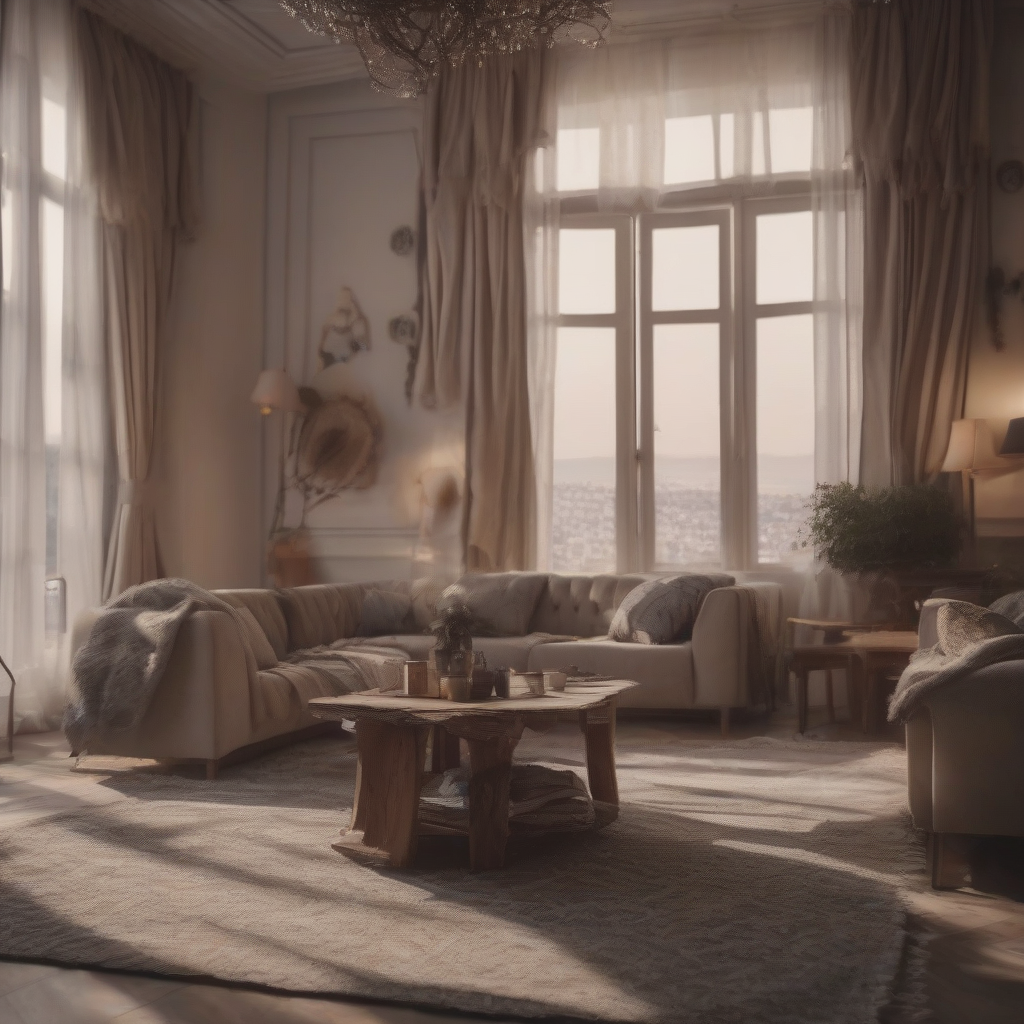
Furniture in your dog's living space is not merely an aesthetic element; it also functions as safe havens, resting spots, and observation posts. A soft couch, a cushioned bed, or a table they can hide under provides both physical comfort and psychological security. Some dogs, especially smaller breeds or puppies, enjoy climbing to high places to observe their surroundings. This gives them a sense of control and reduces stress. The texture of furniture is also important; some dogs love soft, plush surfaces, while others may prefer cooler, firmer textures. Providing beds and resting areas that match their preferred textures positively influences their overall mood and plays a significant role in their secret tactile map. This is a critical clue to understanding their feelings and behaviors at home.
The variety in your dog's toy box not only offers different types of play but also provides a rich spectrum of tactile experiences. Hard chew toys support dental health, while soft plush toys give a sense of security and comfort. Interactive toys with differing textures (such as rubber, rope, or natural wood) stimulate their curiosity and provide mental stimulation. Such toys are an important way to develop their cognitive skills and alleviate boredom. Research shows that environmental enrichment can slow cognitive decline, especially in aging dogs. For scientific solutions on this topic, you can refer to our article, Your Dog's 'Hidden Decline' in Mind: Silent Signals of Cognitive Dysfunction Syndrome and Scientific Solutions to Support Brain Health (March 2026).
A lack of tactile stimulation can lead to boredom, anxiety, and even destructive behaviors in dogs. We can call this 'tactile hunger.' Offering objects with varied textures, play areas with different surfaces, and safe environments they can explore is key to satisfying this 'hunger.' For example, creating small areas in your garden with different textures (grass, soil, stone) or providing beds made of various materials inside the home enriches their tactile world. Furthermore, tactile interactions with humans (petting, massage) strengthen the bond and create a calming effect for dogs, profoundly affecting their overall mood. To learn more about the comprehensive impact of the environment on your dog's mood, you can review our content, Your Dog's 'Secret Mood' Codes: 5 Scientific Secrets Behind Their Ununderstood Behaviors!.
To ensure your dog lives a happy and balanced life at home, it's important to meet their tactile needs. Here are some practical tips you can apply to optimize their living space:
When designing your dog's living space, considering their secret tactile map is key to supporting not only their physical comfort but also their deep emotional and mental well-being. Every surface, every object in the home carries meaning in their world. By using this knowledge, you can truly create 'happiness zones' for your friend and further strengthen your bond with a scientific understanding. Remember, small touches can create great happiness.
