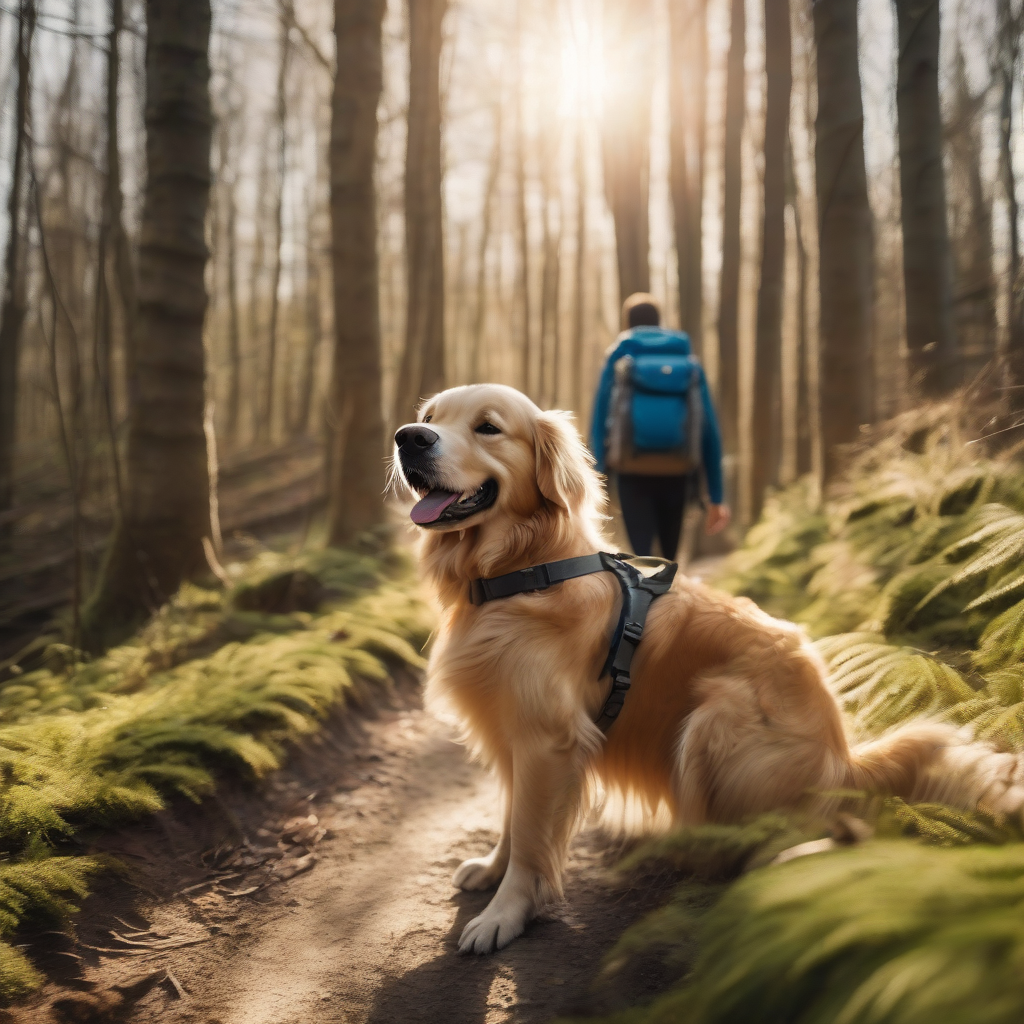
In this article, you will find essential preparations, tips, and considerations to safely enjoy spring camping and nature hikes with your pets. Your guide for a healthy and happy adventure is here!


Discover the neurobiological signals of hidden stress your newly adopted cat experiences during adaptation to a new social environment. This article reveals 5 insidious signs of your cat's silent struggle and scientific strategies for peaceful, long-term harmony.

Your dog's anal sacs, located beneath the tail, can be hidden alarm bells often overlooked but profoundly affecting their quality of life. In this article, you will discover the 5 insidious neurobiological effects of anal sac problems on the brain and the lifesaving care secrets you need to know for your furry friend to live a peaceful life.
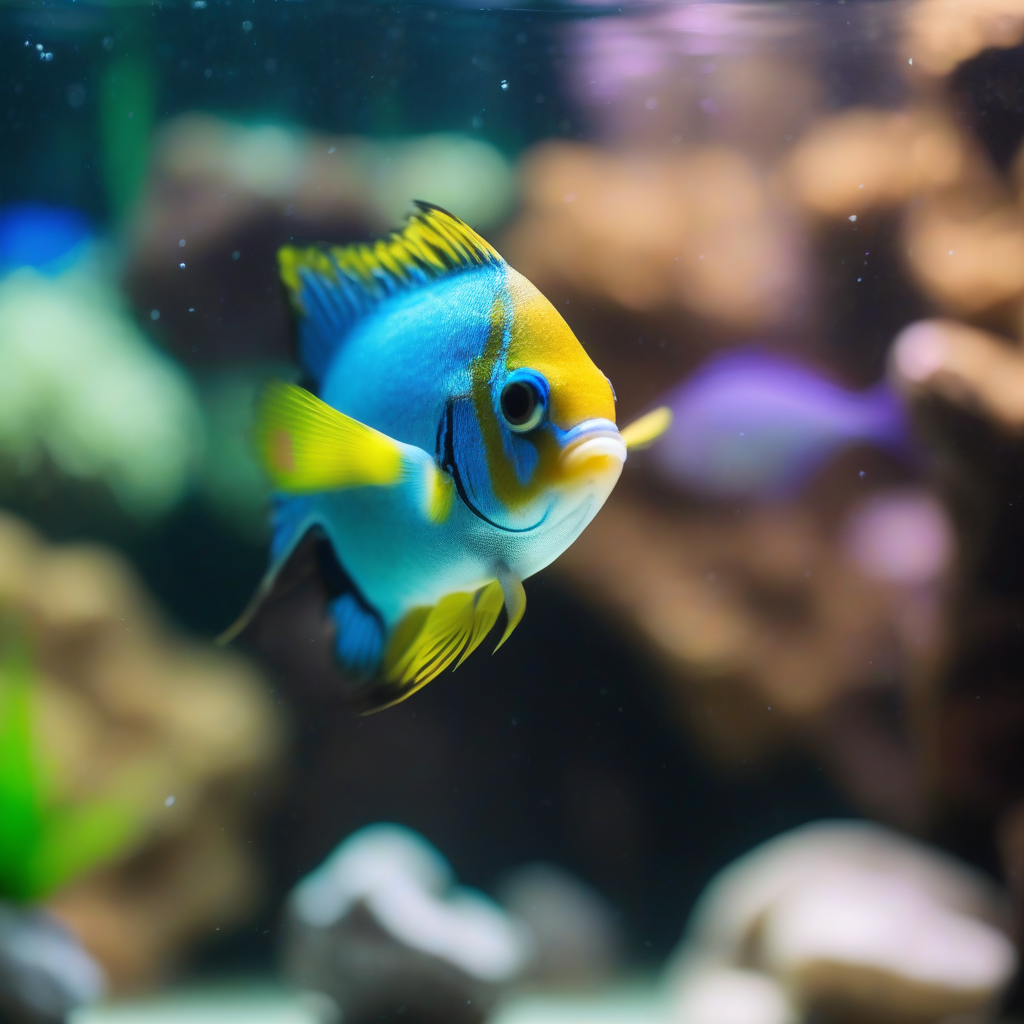
In this article, you will find comprehensive information on the insidious neurotoxic effects of heavy metal poisoning in aquarium fish, its symptoms, and lifesaving emergency intervention codes. This condition, which can arise from household water sources, improper equipment, or neglect, can severely threaten your fish's quality of life and lifespan.
With the arrival of spring, nature awakens, the weather becomes mild, offering perfect opportunities for time spent outdoors. Venturing into the heart of nature with our pets, camping, or organizing long nature hikes is a wonderful experience for both our physical and mental health. However, before embarking on these adventures, comprehensive preparation is vital for both our safety and the well-being of our beloved companions. This guide, integrating current trends and veterinary knowledge as of March 2026, will show you how to safely and enjoyably experience spring outdoor activities with your pet.
Nature can be a fascinating playground for our pets, but it is also full of potential risks. Therefore, being prepared is the first step.
Before planning any long nature trip or camping, visit your veterinarian to check your pet's overall health. Spring, in particular, is a period of increased allergies and parasite activity. Reviewing up-to-date vaccinations and next-gen parasite control and prevention strategies is critical to preventing potential health problems. Ensure your pet's physical condition is suitable for the activity you plan. Especially for long walks, discuss with your veterinarian whether your friend's joint health is adequate.
The right equipment for outdoor conditions is essential for the comfort and safety of both you and your pet.
Outdoor activities increase your pet's energy needs. Carry high-quality, energy-dense food. Most importantly, ensure optimal hydration. Offer water at regular intervals and ensure your pet drinks enough. Do not allow them to drink from natural water sources (ponds, streams) as they may contain parasites or bacteria.
For a safe and enjoyable outdoor experience, it is important that your pet has completed basic obedience training. Commands such as "Come," "Stay," and "Leave it" are vital to follow implicitly. Ensure their social interactions with other animals and humans are positive. Additionally, you can prepare for new scents and sights they may encounter in nature through behavioral enrichment activities.
Once preparation is complete, the adventure begins! However, it is important to be careful in nature and follow some rules.
Choose pet-friendly trails and campsites. Some national parks and protected areas may be closed to pets or apply special rules. Research the hiking route in advance; check if it contains steep slopes, sharp rocks, or dangerous vegetation. Maintain the same care you show in creating smart and safe outdoor spaces at home, even in nature.
Spring weather can be variable. Sudden rains or temperature changes can affect your pet. Especially in hot weather, be careful that their paws do not burn from hot asphalt or sand. Avoid hikes in extreme heat and take frequent breaks in shaded areas. Know how to protect against hypothermia and hyperthermia.
The possibility of encountering wild animals in nature always exists. Keep your pet on a leash to protect both them and wildlife. Never allow them to approach or chase a wild animal. Be especially careful in areas with a risk of encountering snakes, bears, or other predators. Take extra precautions against venomous insects and pests such as ticks.
Even with the best precautions, accidents can happen. Know how to use your first aid kit for minor injuries. For more serious situations, identify the contact information and directions to the nearest veterinary clinic in advance. Be prepared with a stretcher or carrying method that will allow your pet to breathe comfortably and help them stay calm.
Remember, nature is our common home.
Always pick up your pet's waste and dispose of it properly. Follow the "pack it in, pack it out" principle. Do not leave your trash behind. We must do our best not to disturb the balance of nature.
Ensure your pet is friendly towards other people and animals. If your pet is noisy or disturbing other campers, take extra precautions to keep them under control. Be especially careful during quiet hours and in common areas.
Spring nature adventures with your pet are a wonderful way to create unforgettable memories and strengthen your bond. However, comprehensive preparation and carefulness are essential for these experiences to be safe, healthy, and environmentally friendly. With preliminary consultations with your veterinarian, proper equipment selection, and conscious behavior in nature, you can fully enjoy this spring with your beloved companion. Remember, good planning is the key to a safe and enjoyable adventure!
