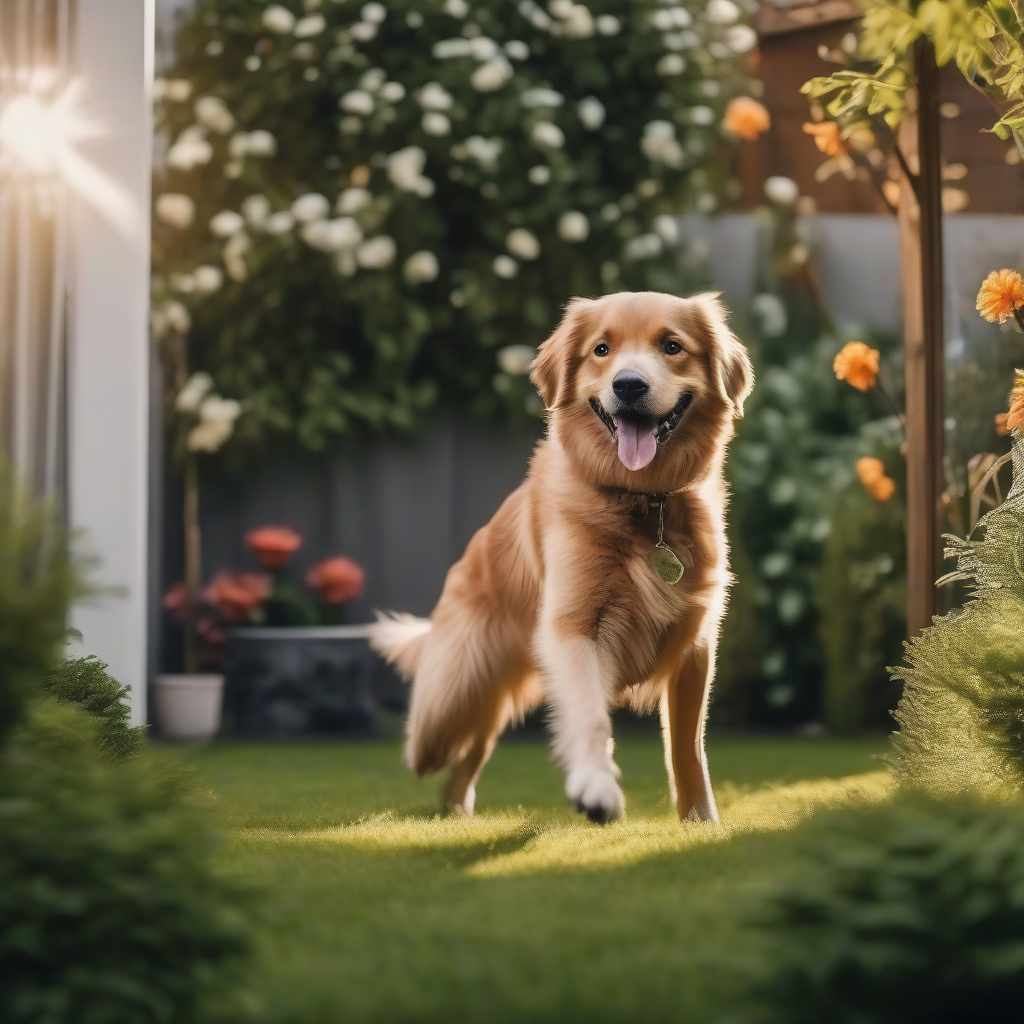
In this article, you will find insights into designing a safe and enriching garden space for your pets in spring, including methods for protection against toxic plants and play-oriented arrangements.


Discover the neurobiological signals of hidden stress your newly adopted cat experiences during adaptation to a new social environment. This article reveals 5 insidious signs of your cat's silent struggle and scientific strategies for peaceful, long-term harmony.

Your dog's anal sacs, located beneath the tail, can be hidden alarm bells often overlooked but profoundly affecting their quality of life. In this article, you will discover the 5 insidious neurobiological effects of anal sac problems on the brain and the lifesaving care secrets you need to know for your furry friend to live a peaceful life.
In this article, you will find comprehensive information on the insidious neurotoxic effects of heavy metal poisoning in aquarium fish, its symptoms, and lifesaving emergency intervention codes. This condition, which can arise from household water sources, improper equipment, or neglect, can severely threaten your fish's quality of life and lifespan.
As we enter March 2026, the fresh energy of spring calls both us and our beloved pets outdoors. While sunnier days and lush greenery offer wonderful opportunities for our pets' physical and mental health, outdoor spaces can also bring certain risks. As a professional veterinary content strategist, I want to emphasize the importance of creating a safe, enriching, and smartly designed area in your garden where your pets can freely explore, play, and relax. This guide is filled with scientifically backed tips and trends that will help you transform your garden into a paradise for your furry friends.
The time our pets spend in the garden is not only enjoyable but also crucial for their overall well-being. Regular outdoor activity prevents obesity, supports muscle and joint health, and provides mental stimulation. For dogs, areas where they can use their sense of smell are vital for their mental development. Cats, on the other hand, need safe places where they can satisfy their natural hunting instincts, climb, or hide. However, potential hazards such as toxic plants, chemical fertilizers, or escape points can overshadow these benefits. Therefore, when designing your garden, it is essential to prioritize the safety and enrichment of our pets.
The first step to creating an ideal garden for your pets is safety. This covers a wide range, from physical barriers to plant selection.
Ensure your garden is enclosed with sturdy fences and that gates can be securely closed. For dogs, fence height and the gap to the ground are important; some breeds can easily jump or dig under. For cats, you might consider anti-climbing devices on fences or fully enclosed "cat runs." This not only ensures your pet's safety but also minimizes potential risks by preventing wild animals from entering your garden.
Many popular garden plants can be toxic to pets. Spring flowers such as tulips, lilies, daffodils, or ornamental shrubs can cause serious health problems for your furry friends. When designing your garden, choosing non-toxic plants is vital. If you have toxic plants, use high planters to restrict access or create secure barriers. For more information and a comprehensive list, you can refer to our article Invisible Dangers for Your Pets – Protection Guide Against Toxic Plants and Household Chemicals.
Once safety is ensured, the next step is to create areas that satisfy your pets' natural instincts and stimulate them mentally.
Design areas for dogs to run and play, and for cats to climb and hide (e.g., small shrubs or dedicated cat trees). Surfaces with different textures (safe grass, soft soil, smooth stones) can enhance the sense of exploration. A designated digging area in a corner of your garden, filled with safe soil, is a great way for dogs to satisfy their natural digging instinct. Additionally, you can hide treats in your garden for next-gen scent work and mental stimulation.
Especially spring sunshine can be intense. Provide plenty of shaded areas to prevent your pets from overheating. You can use trees, pergolas, or special sun shades. Comfortable beds or cooling mats will also make resting areas more appealing. Always ensure fresh and clean water is easily accessible in these areas, as optimal hydration is vital for your pets' health.
While maintaining the beauty of your garden, do not overlook your pets' health.
Chemical pesticides, herbicides, and synthetic fertilizers can be dangerous for pets. Whenever possible, opt for organic or pet-friendly products. Research natural pest control methods and keep your pets away from fertilized areas. Having an emergency kit for pet spring adventures is always a good idea.
If you have a pond or pool in your garden, ensure your pets can safely enter and exit. Regularly check the water's cleanliness and avoid using chemicals like algaecides.
In 2026, smart technologies are taking garden safety to the next level.
Creating a safe and enriching garden for your pets this spring is one of the best investments you can make in their happiness and health. By implementing the tips in this guide, you can transform your garden into a safe haven where not only you but also your little friends can enjoy their time. Remember, before embarking on any garden arrangement, it is always best to discuss your pet's specific needs and potential health conditions with your veterinarian. Their safety and happiness are paramount.
