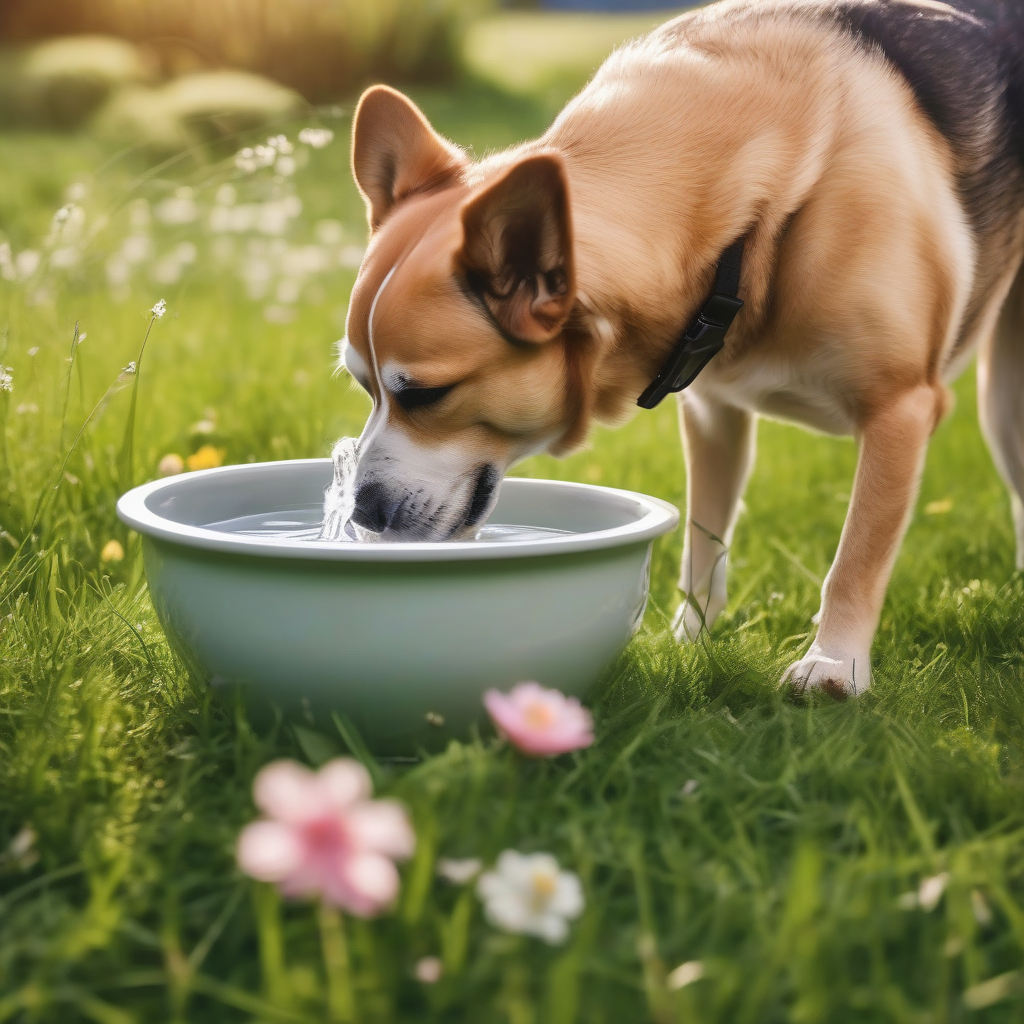
As of March 2026, with the arrival of spring, our pets' increased activity levels and changing weather conditions once again highlight the importance of optimal hydration. In this comprehensive guide, we delve into the critical effects of adequate water intake on your pets' overall health, energy levels, and vital organ functions, in light of current veterinary knowledge.


Discover the neurobiological signals of hidden stress your newly adopted cat experiences during adaptation to a new social environment. This article reveals 5 insidious signs of your cat's silent struggle and scientific strategies for peaceful, long-term harmony.

Your dog's anal sacs, located beneath the tail, can be hidden alarm bells often overlooked but profoundly affecting their quality of life. In this article, you will discover the 5 insidious neurobiological effects of anal sac problems on the brain and the lifesaving care secrets you need to know for your furry friend to live a peaceful life.

In this article, you will find comprehensive information on the insidious neurotoxic effects of heavy metal poisoning in aquarium fish, its symptoms, and lifesaving emergency intervention codes. This condition, which can arise from household water sources, improper equipment, or neglect, can severely threaten your fish's quality of life and lifespan.
As of March 2026, with the awakening of nature, the rhythm of life for our beloved pets also accelerates. Sunny days, longer walks, and increased playtime bring with them a crucial health topic: Optimal Hydration. Water is indispensable for our pets' bodily functions, and meeting this need correctly in spring is critically important for their vitality, energy levels, and long-term organ health. In this guide, we will delve into why your pets need more water in spring, the signs of dehydration, and innovative strategies you can implement to increase their water intake.
Spring is characterized by rising temperatures, spreading pollen, and intensified outdoor activities for pets. Increased physical activity leads to a rise in body temperature and more sweating (through paws and respiratory tract). This means accelerated water loss. Insufficient water intake can not only make your pets feel tired but also lead to a range of physiological imbalances that can result in serious health problems. Remember that among your pets' hidden energy sources, water is the most fundamental and powerful.
Early detection of dehydration signs in pets is vital to prevent more serious problems. Here are some common signs to watch out for:
If you notice any of these symptoms, it is crucial to consult your veterinarian immediately. Prompt intervention will be critical to protect your pet's health.
To ensure your pets are adequately hydrated, you can implement various strategies:
Always provide fresh and clean water. Place multiple water bowls around your home, especially if you have a multi-story house or multiple pets, to facilitate easy access to water. Wash and refill water bowls daily with fresh water.
Cats, in particular, may prefer running water. Water fountains continuously filter water, keeping it clean and fresh, while also attracting their interest and encouraging them to drink more. This greatly benefits your pets' urinary tract health, as adequate water intake reduces the risk of crystal and stone formation.
Dry kibble generally contains around 10% water, while wet food contains 70-80% water. Adding wet food to your pet's diet is an effective way to significantly increase their daily water intake. You can also add a little water or low-sodium broths specially formulated for pets to dry kibble. This also supports detoxification and general vitality processes.
During increased outdoor activities and performance-oriented fitness programs in spring, water intake is crucial. Always carry water and a portable water bowl with you when going for walks or play sessions. Ensure your pet drinks water by taking breaks every 15-20 minutes.
Water-rich, pet-friendly fruits and vegetables like watermelon and cucumber can contribute to hydration when given in moderation. However, always consult your veterinarian to choose those safe for your pet.
Optimal hydration not only affects immediate energy levels but also directly impacts your pet's long-term organ health:
How much water should my pet drink?
As a general rule, pets should drink approximately 50-70 ml of water per kilogram of body weight per day. However, this amount can vary depending on activity level, weather conditions, diet, and general health. For the most accurate information, it is important to consult your veterinarian.
Is tap water safe for pets?
In most cases, tap water is safe. However, if the water quality in your area is poor or you have concerns, you may consider providing filtered water.
Ensuring your pets' optimal hydration in spring and throughout the year is one of the most important steps you can take for their overall health, happiness, and energy levels. By implementing the strategies outlined above and being vigilant for signs of dehydration, you can help your furry friend live a vibrant and healthy life. As always, do not hesitate to discuss your pet's specific needs with your veterinarian.
