
In this article, you will find in-depth information on hidden household dangers, symptoms, and lifesaving emergency intervention protocols for sudden poisoning in rabbits. Quick and correct response can save your pet's life.


Discover the neurobiological signals of hidden stress your newly adopted cat experiences during adaptation to a new social environment. This article reveals 5 insidious signs of your cat's silent struggle and scientific strategies for peaceful, long-term harmony.

Your dog's anal sacs, located beneath the tail, can be hidden alarm bells often overlooked but profoundly affecting their quality of life. In this article, you will discover the 5 insidious neurobiological effects of anal sac problems on the brain and the lifesaving care secrets you need to know for your furry friend to live a peaceful life.
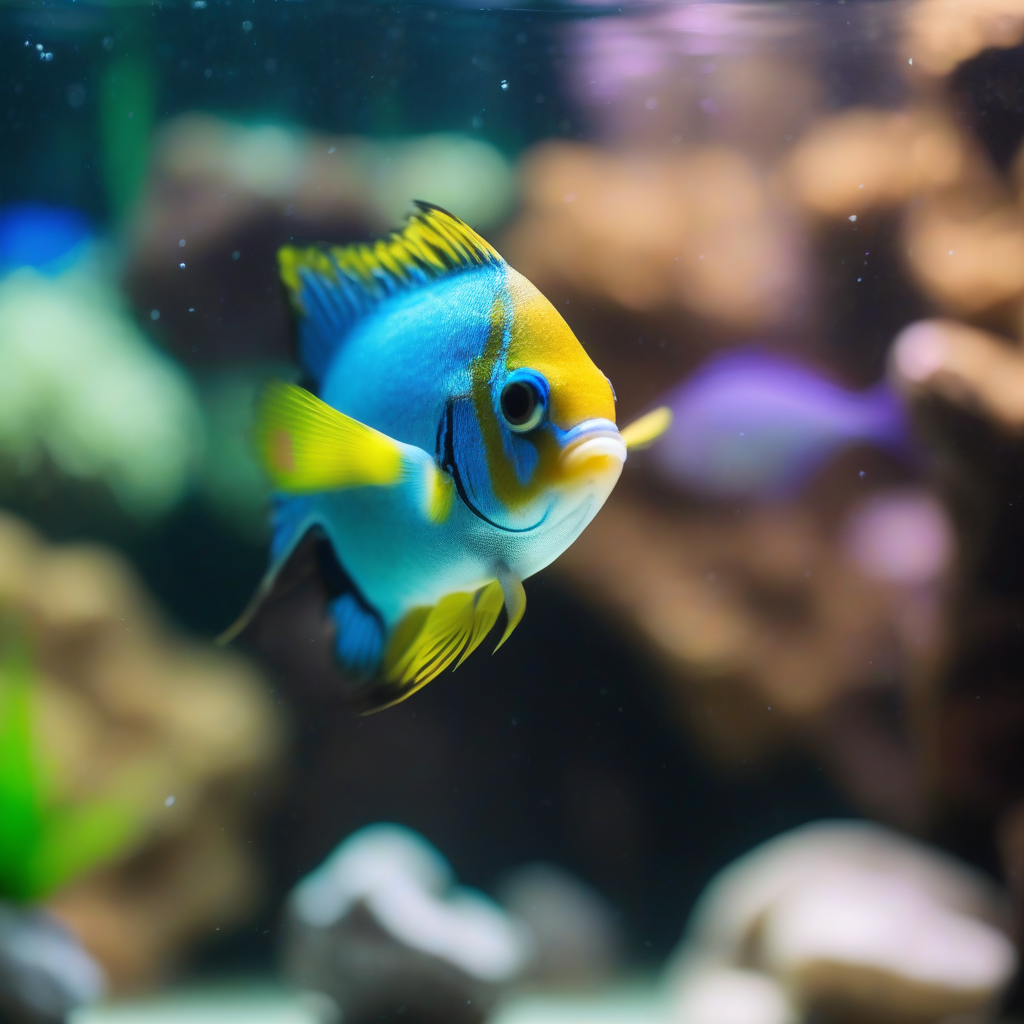
In this article, you will find comprehensive information on the insidious neurotoxic effects of heavy metal poisoning in aquarium fish, its symptoms, and lifesaving emergency intervention codes. This condition, which can arise from household water sources, improper equipment, or neglect, can severely threaten your fish's quality of life and lifespan.
Rabbits, by nature, are curious and chew-happy creatures. These traits leave them vulnerable to many hidden dangers within the home. A moment's inattention can lead to your rabbit ingesting a poisonous substance, which can quickly turn into a life-threatening emergency requiring immediate intervention. As of March 2026, it is more important than ever for pet parents to be informed and prepared. Every second is critical in poisoning cases, and the right first aid steps can save your companion's life.
In this comprehensive guide, we will explore the most common causes of poisoning in rabbits, their symptoms, and the lifesaving emergency intervention protocols that every pet owner should know. Our goal is to empower you for such emergencies and ensure your rabbit is always safe.
Potential poison sources for rabbits are often much closer than we imagine. Their small bodies and sensitive digestive systems can react severely to substances that might be harmless to humans or other animals. Here are the main poisoning sources you should be aware of in your home:
Many popular houseplants are highly toxic to rabbits. Plants such as aloe vera, diffenbachia, tulip, daffodil, azalea, ivy, oleander, and lily can lead to serious health problems in rabbits, ranging from digestive upset to heart failure. Since rabbits love to chew on plants, it is vital to keep these plants out of their reach.
Bleach, detergents, disinfectants, oven cleaners, and even some air fresheners can be fatal to rabbits. Such products are often stored or used near the floor, creating risky areas easily accessible to rabbits. Even chemical fumes can cause respiratory irritation.
Human medications (pain relievers, antidepressants, heart medications, etc.) and medications prescribed for other pets (especially flea and tick medications) can be in doses that are very dangerous for rabbits. You should never leave medications where your tiny friend can reach them.
Pesticides used in your garden, fertilizers, or rodenticides pose a significant risk to rabbits. Rabbits can be directly exposed to these substances or experience secondary poisoning by eating a poisoned rodent. Therefore, when gardening, you must prioritize your rabbit's safety.
Chocolate, caffeine, alcohol, avocado, onion, garlic, and some types of mushrooms are toxic to rabbits. Even a small piece can lead to serious problems. Rabbits should only be given specialized rabbit food, fresh vegetables, and quality hay.
Rabbits tend to hide their illnesses and discomfort, which can make it challenging to notice signs of poisoning. Therefore, it is important to take even the slightest change in your rabbit's behavior seriously. Symptoms can vary depending on the type and dose of poison ingested, but generally may include:
If you notice any of these symptoms, you must act without hesitation. As stated in the article Hidden Poisoning and Acute Stress Syndrome in Aquarium Fish: Lifesaving First Aid Protocols (2026), rapid intervention in poisoning cases plays a critical role in preventing fatalities.
If you suspect your rabbit has been poisoned, follow these steps immediately:
Staying calm and quickly assessing the situation is the most important step. Panic can cause you to lose time and make wrong decisions.
Immediately remove your rabbit from the scene to prevent further exposure to the toxic substance. If the substance has gotten on its skin or fur, you can clean it by washing with warm water and a gentle soap (with veterinary approval). Remember to wear gloves for your own safety.
This is the most critical step. Call a veterinary clinic or emergency veterinary service in your area immediately. Explain the situation, the suspected toxic substance (if available, its packaging, plant name), the estimated amount ingested, the time of poisoning, and your rabbit's symptoms. Your vet may give you first aid instructions over the phone or ask you to come to the clinic immediately. Just as in the article When Your Cat Experiences Sudden Respiratory Distress: 5 Lifesaving Emergency Steps, seeking professional help is always a priority.
In many cases, inducing vomiting can cause further irritation to the esophagus or lead to respiratory problems. Unless your veterinarian instructs you otherwise, never try to make your rabbit vomit. Inducing vomiting after ingesting certain chemicals can worsen the situation.
Keep your rabbit warm (you can wrap it in a blanket) and, if possible, allow it to rest in a calm environment. You can keep its head slightly elevated to facilitate breathing. When taking it to the vet, remember to bring a sample or the packaging of the toxic substance with you. This is crucial for accurate diagnosis and treatment.
The most effective way to prevent poisoning is to make your rabbit's environment safe. Here are some precautions you can take:
Poisoning crises in rabbits can be frightening, but with quick information and proper intervention, your chances of a positive outcome are high. Making your home a safe haven for your rabbit and having an emergency plan is the best preventive measure. Remember, your rabbit's health is in your hands, and you should always pay attention to your little friend's silent calls. Do not hesitate to consult your veterinarian in any situation where you have doubts.
