
In this article, discover vital preventive care strategies, insidious symptoms, and the secrets of calcium metabolism to protect your rabbit's delicate urinary tract system.


Discover the neurobiological signals of hidden stress your newly adopted cat experiences during adaptation to a new social environment. This article reveals 5 insidious signs of your cat's silent struggle and scientific strategies for peaceful, long-term harmony.

Your dog's anal sacs, located beneath the tail, can be hidden alarm bells often overlooked but profoundly affecting their quality of life. In this article, you will discover the 5 insidious neurobiological effects of anal sac problems on the brain and the lifesaving care secrets you need to know for your furry friend to live a peaceful life.
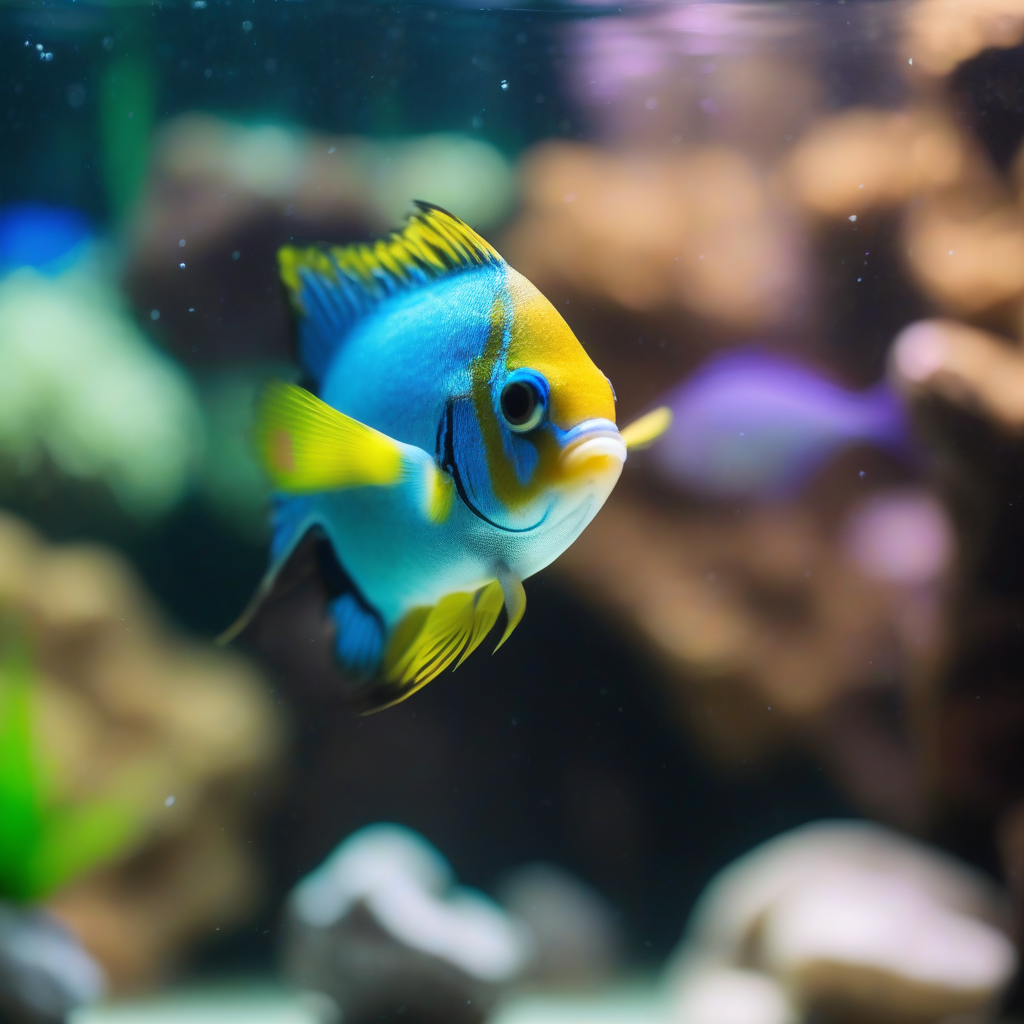
In this article, you will find comprehensive information on the insidious neurotoxic effects of heavy metal poisoning in aquarium fish, its symptoms, and lifesaving emergency intervention codes. This condition, which can arise from household water sources, improper equipment, or neglect, can severely threaten your fish's quality of life and lifespan.
Rabbits are wonderful pets with their cute appearance and gentle nature. However, due to their specific physiology, they are quite susceptible to urinary tract problems. Most rabbit owners are unaware of insidious threats such as bladder stones, sludge, or kidney problems that can seriously affect their little friends' quality of life. These issues often progress without symptoms, leading to pain or critical conditions for the animal. As of March 2026, veterinary science further emphasizes the importance of urinary tract health in rabbits and focuses on preventive care. In this comprehensive guide, we will delve into the vital secrets of maintaining your rabbit's urinary tract health and how to build a shield against insidious threats.
Rabbits' unique calcium metabolism sets them apart from other pets and makes them prone to urinary tract problems. While dogs and cats only absorb the necessary amount of calcium from their diet, rabbits absorb a large portion of dietary calcium through their intestines and excrete the excess through their urine. This causes their urine to be normally richer in calcium and therefore cloudier. If they don't consume enough fluids or if their diet contains excessive calcium, this calcium can crystallize in the bladder, forming sludge or larger stones. This condition can lead to severe discomfort, infections, and even life-threatening blockages in rabbits.
Rabbits, being prey animals, are masters at hiding weakness and pain. Therefore, symptoms of urinary tract problems can often be insidious and vague. Here are some key clues to watch out for:
If you notice any of these symptoms, it is vital to contact a veterinarian without delay. Waiting in rabbits can quickly worsen the condition.
Preventing urinary tract problems is much easier and healthier for your rabbit than treating them. Here are the core care strategies you can implement:
80-90% of a rabbit's diet should consist of high-quality hay (timothy, oat, orchard grass). Alfalfa hay, which is rich in calcium, may be suitable for young, growing, pregnant, or lactating rabbits, but it can lead to problems in adult pet rabbits by increasing calcium intake.
The impact of diet on overall health should not be underestimated. For instance, our article Your Rabbit's Secret Energy Source: The Delicate Dance Between the Digestive Microbiome and Immune System details the broad effects of proper nutrition on internal systems. Additionally, for the effects of proper nutrition on chewing health, you can refer to the article Malocclusion in Rabbits: The Hidden Oral Health Threat and Vital Care Secrets.
Adequate water intake is the most effective way to prevent calcium from accumulating in the bladder.
Regular movement and activity help the bladder empty and prevent sludge accumulation. Inactive rabbits are more prone to problems due to urine remaining in the bladder for extended periods.
Regular veterinary check-ups for rabbits play a critical role in the early diagnosis of many health problems, including urinary tract issues. Your veterinarian can detect early signs through urinalysis, blood tests, or ultrasound. A general health check-up once or twice a year is the gold standard for preventing insidious diseases. Regular check-ups are also crucial for the early diagnosis of other silent threats in your rabbit, such as GI Stasis (Gut Stasis).
Urinary tract health in rabbits is a critical area of care that directly impacts their quality of life and is often overlooked. A high-fiber, low-calcium diet, plenty of water intake, regular exercise, and early veterinary intervention are the most important steps to ensure our little friends live long and healthy lives. Remember, your rabbit's silence does not mean everything is alright. Understanding their hidden needs and implementing a proactive care strategy will be your strongest shield against threats like insidious stones and sludge.
