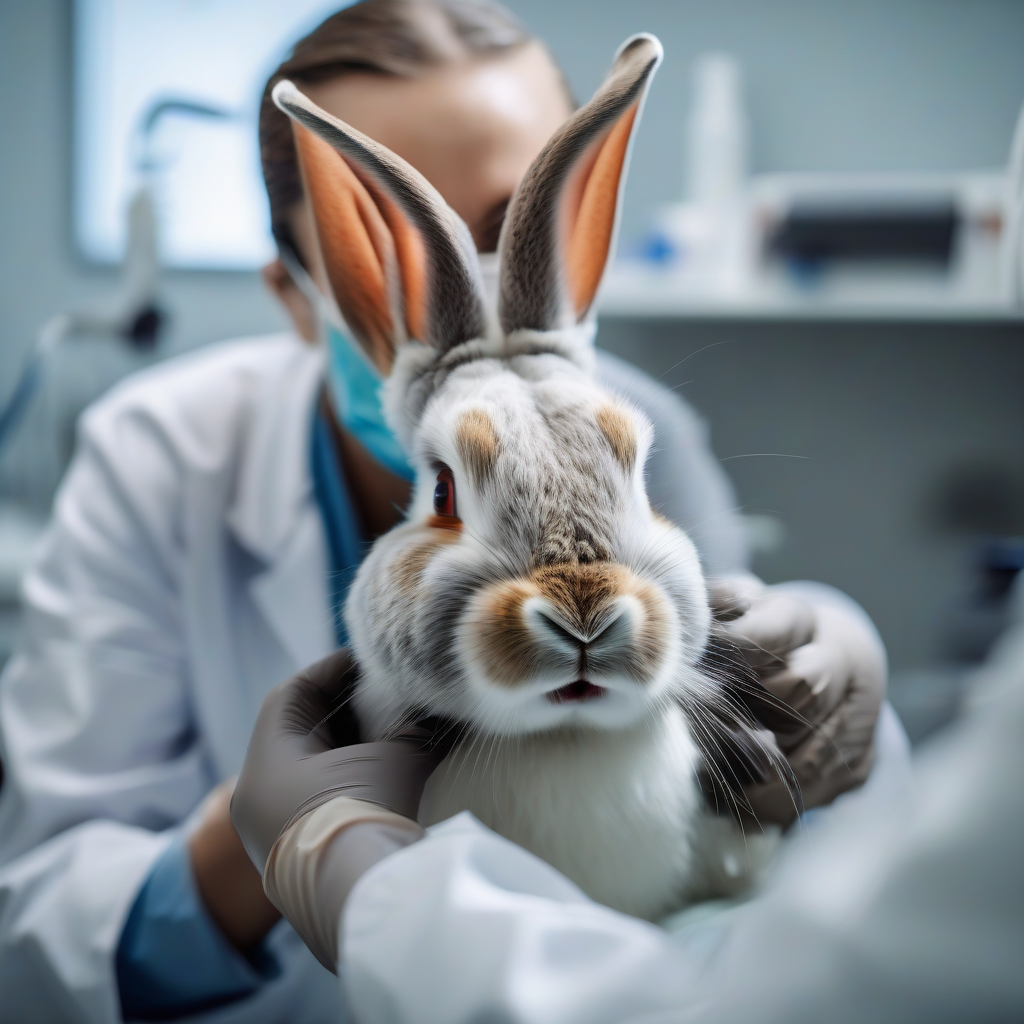
Malocclusion, a common yet often overlooked health issue in rabbits, can severely impact the quality of life for our tiny friends. This article delves into the symptoms, causes, diagnosis, treatment methods, and prevention strategies for malocclusion in rabbits. Beyond oral health, you will discover the wide-ranging effects of this hidden threat, from the digestive system to their general behavior.


Discover the neurobiological signals of hidden stress your newly adopted cat experiences during adaptation to a new social environment. This article reveals 5 insidious signs of your cat's silent struggle and scientific strategies for peaceful, long-term harmony.

Your dog's anal sacs, located beneath the tail, can be hidden alarm bells often overlooked but profoundly affecting their quality of life. In this article, you will discover the 5 insidious neurobiological effects of anal sac problems on the brain and the lifesaving care secrets you need to know for your furry friend to live a peaceful life.
In this article, you will find comprehensive information on the insidious neurotoxic effects of heavy metal poisoning in aquarium fish, its symptoms, and lifesaving emergency intervention codes. This condition, which can arise from household water sources, improper equipment, or neglect, can severely threaten your fish's quality of life and lifespan.
Rabbits, with their adorable appearance and gentle nature, bring joy to our homes, but their unique physiology necessitates specific health considerations. Foremost among these is 'malocclusion,' or the misalignment of teeth, stemming from their continuously growing dental structure. As we enter March 2026, understanding the profound impact of this common yet frequently overlooked condition on rabbit health is crucial for conscientious pet owners. Malocclusion not only causes difficulty in chewing but also poses a hidden threat that deeply affects our tiny friends' overall health, digestion, and even behavior.
Unlike other domestic animals such as cats and dogs, rabbits' teeth grow continuously throughout their lives. Both the front incisors and the back grinding teeth (molars and premolars) can overgrow if there isn't sufficient chewing activity. Normally, rabbits wear down their teeth naturally by consuming high-fiber hay and grass. However, factors like genetic predisposition, improper nutrition, or trauma can prevent proper tooth alignment, leading to malocclusion.
When teeth don't wear down properly or grow in the wrong direction, sharp points or 'spurs' form. These spurs can cut the inside of the tongue, cheeks, or gums, causing pain, infection, and difficulty eating.
Rabbits are remarkably adept at hiding pain, making it challenging to spot early signs of malocclusion. However, with careful observation, the following signs may be noticed:
Diagnosis of malocclusion begins with a thorough veterinary examination. While a veterinarian can check the incisors, a detailed examination of the molars typically requires specialized tools or endoscopy under sedation. X-rays and sometimes computed tomography (CT) scans are essential to assess the condition of the tooth roots and potential abscesses.
Treatment depends on the severity of the malocclusion:
While it's not always possible to completely prevent malocclusion (especially if there's a genetic predisposition), there are steps you can take to reduce the risk and manage the condition:
Malocclusion in rabbits is a serious health issue that profoundly impacts their quality of life. With early diagnosis and proper management, we can ensure our tiny friends live healthy, pain-free, and happy lives. Remember, the care you dedicate to your rabbit's oral health is the greatest investment in their overall well-being. Do not hesitate to consult your veterinarian immediately if you notice any symptoms.
