
In this article, you will learn the critical first aid interventions for sudden respiratory arrest or choking danger in your rabbit. Discover 5-second lifesaving scientific strategies.

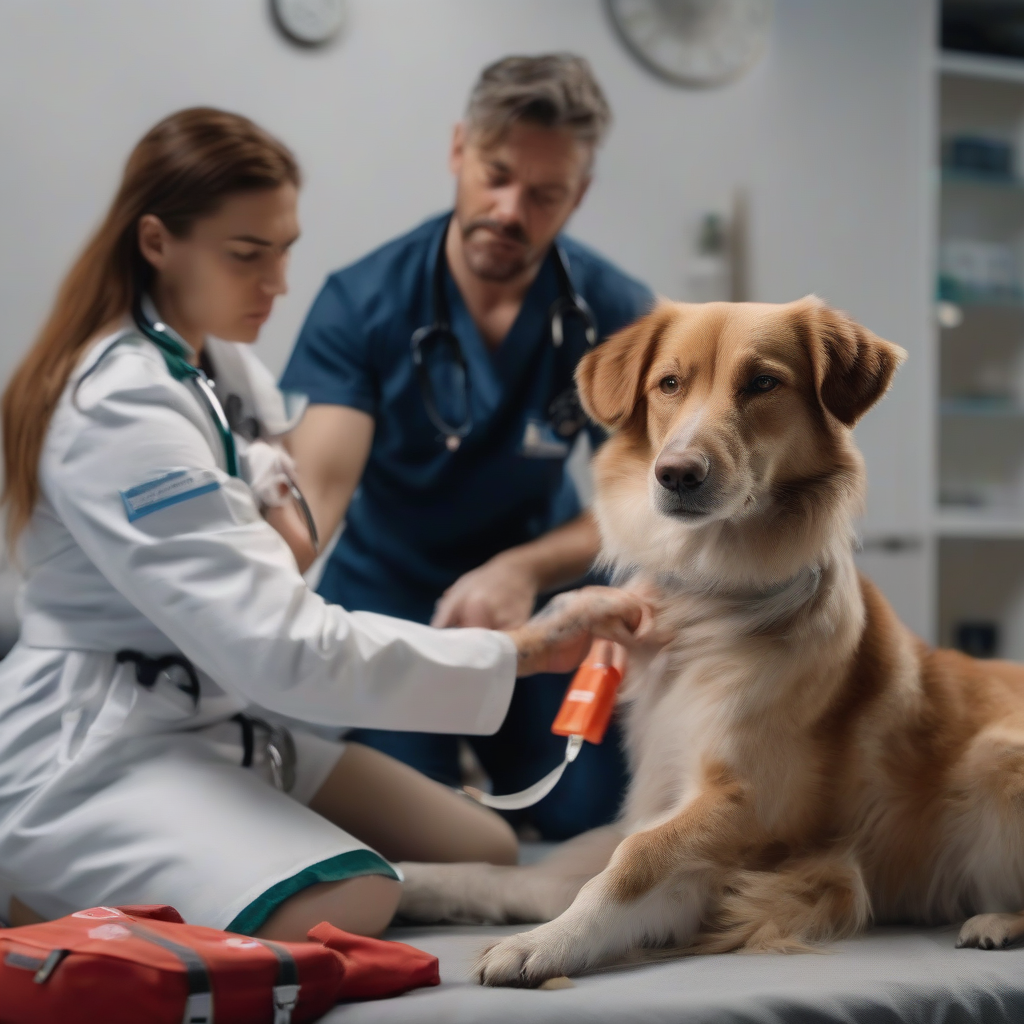
Discover the types of burns your dog can suffer, the 5 insidious neurophysiological effects these burns create in the brain and body, and lifesaving emergency intervention strategies in this comprehensive guide. We shed light on the dangers behind forgotten household accidents from a scientific perspective.

Discover the neurobiological signals of hidden stress your newly adopted cat experiences during adaptation to a new social environment. This article reveals 5 insidious signs of your cat's silent struggle and scientific strategies for peaceful, long-term harmony.

Your dog's anal sacs, located beneath the tail, can be hidden alarm bells often overlooked but profoundly affecting their quality of life. In this article, you will discover the 5 insidious neurobiological effects of anal sac problems on the brain and the lifesaving care secrets you need to know for your furry friend to live a peaceful life.
Rabbits are delicate creatures and can experience sudden health issues. Especially respiratory emergencies can have fatal consequences. In this article, we will explain step-by-step the critical first aid interventions you should apply if your rabbit's 'hidden respiratory locks' suddenly fail, meaning they are in choking danger. Remember, every second counts in such situations, and the right information can save a life.
Respiratory distress in rabbits often appears suddenly but can show insidious signs that may go unnoticed beforehand. These signs can provide clues about the rabbit's general health and increase the chances of early intervention.
A normally calm rabbit's breathing rate is between 30-60 breaths per minute. If this rate significantly increases and the breaths become shallow, it is an alarm sign. You may notice your rabbit's chest moving more than usual.
Rabbits breathe through their noses. If their nostrils flare noticeably when breathing, it indicates a blockage or difficulty in the airways.
A rabbit struggling to breathe may hold its head up and extend its neck to open the airway. This position is an effort the rabbit makes to breathe more comfortably.
Abnormal sounds during breathing can be a sign of an obstruction or inflammation in the respiratory tract. If you hear sounds like wheezing, hissing, or whistling, you should contact a veterinarian immediately.
This is the most critical and urgent sign. Cyanosis, indicating a drop in oxygen levels, can be seen on the rabbit's tongue, gums, or nail beds. This condition is life-threatening and requires immediate emergency veterinary intervention.
If you notice one or more of the above signs in your rabbit and suspect it is not breathing or is severely obstructed, remain calm and follow these steps. These steps will increase your rabbit's chances of survival in the time it takes to reach a veterinarian.
Gently lay the rabbit on its side. Carefully open its mouth and check for any visible obstruction. If there is an obvious foreign object (e.g., a piece of vegetable, string, etc.) that is easily accessible, try to carefully remove it with your finger or tweezers. Trying to remove deeply embedded or inaccessible objects can cause more harm.
If your rabbit is not breathing, perform artificial respiration to help it. Gently close the rabbit's nostrils. Place your mouth around the rabbit's nose and give a slow, controlled breath, just enough to cause its chest to rise slightly. Avoid blowing too hard, as this can damage the lungs. Repeat this every 2-3 seconds.
If, despite artificial respiration, your rabbit's heart is not beating or beating weakly, you can perform chest compressions. Lay the rabbit on its back. Gently and rhythmically press on the center of the chest, where the ribs meet, with two fingers (usually the index and middle finger). The depth of compression should be adjusted based on the rabbit's size. Aim for approximately 100-120 compressions per minute.
While performing these interventions or immediately afterward, it is vital to get your rabbit to the nearest veterinary clinic as soon as possible. You may need to continue artificial respiration during transport. The veterinarian will provide further medical interventions.
Airway obstruction or inability to breathe in rabbits leads to oxygen deprivation. The brain and other vital organs begin to suffer irreversible damage very quickly without oxygen. Just a few minutes of oxygen deprivation can cause permanent damage or death. Therefore, a conscious intervention within the first 5 seconds significantly increases the chances of survival.
First aid measures performed at home serve as a bridge to help your rabbit survive. However, permanent recovery is not possible without professional veterinary intervention. Veterinarians can:
While emergencies cannot always be prevented, there are measures you can take to protect your rabbit's respiratory health and reduce the risk of such crises:
Your rabbit's respiratory crisis can be a frightening situation. However, with the right knowledge and preparation, you can take the correct steps in these difficult moments to save its life. Remember, staying in constant contact with a veterinarian and being prepared for emergencies are the most important factors for your rabbit to live a healthy and happy life. We also have a general preparation guide for emergencies, such as Your Rabbit's 'Hidden Poisoning Map': Sudden Behavioral Changes and 5 Lifesaving Scientific Protocols for Crisis Situations.
