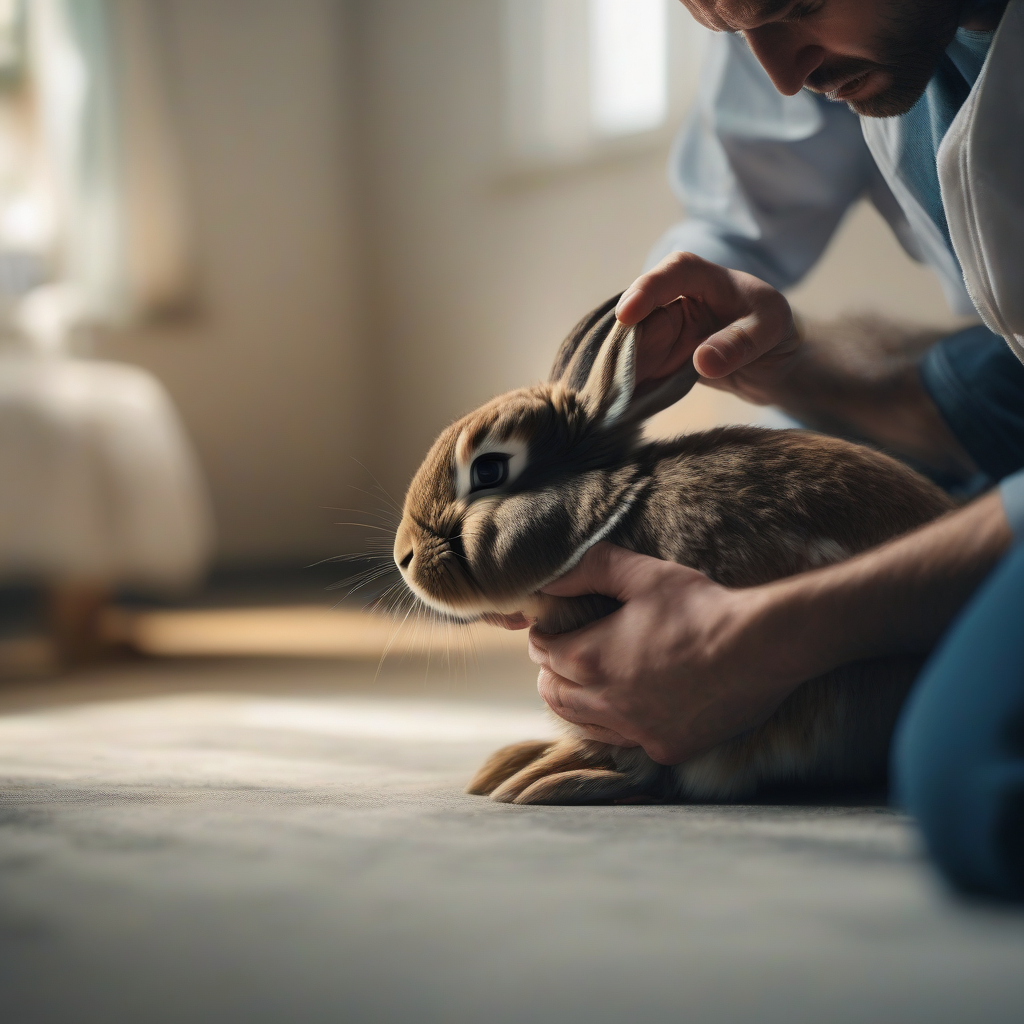
Discover the neurophysiological origins and insidious symptoms of life-threatening Gastrointestinal Stasis (GI Stasis) in rabbits. This article provides scientific mechanisms underlying GI Stasis, critical warning signs, and emergency intervention strategies that can save your pet's life. As a knowledgeable rabbit owner, understanding this 'silent gut paralysis' nightmare and acting swiftly is vital.

While cats possess a surprising ability to adapt to high-rise fall traumas, the insidious neurophysiological effects on their brain carry vital risks. In this article, we reveal 5 critical neurobiological effects your cat may experience after a fall and the lifesaving emergency intervention codes with scientific secrets.
In this article, you will discover how your rabbit copes with unexpected situations and its neurocognitive responses to non-routine events. Learn scientific secrets to enhance mental flexibility and manage stress.
In this article, you will find comprehensive information on the insidious neurophysiological effects of seizures in cats' brains and lifesaving emergency intervention codes during a seizure.
Rabbits, by nature, possess extremely delicate digestive systems. Any change, stress, or improper diet can lead to their digestive system shutting down, a condition commonly known as 'gut paralysis' or Gastrointestinal Stasis (GI Stasis). This condition can be potentially fatal for rabbits, and its moniker as a 'silent killer' is well-deserved. So, what are the neurophysiological mechanisms behind this nightmare, and what emergency intervention codes should we know to save your rabbit's life?
GI Stasis is a condition where a rabbit's gut motility slows down or stops completely. This leads to an accumulation of undigested food and fur in the intestines, causing gas buildup and pain. Since rabbits cannot vomit, anything accumulating in their intestines can lead to severe blockages and toxin absorption. From a neurophysiological perspective, the digestive system is controlled by the autonomic nervous system, and any disruption to this system can impede the normal 'peristaltic' movements of the intestines. Pain, stress, insufficient fiber intake, or an underlying illness can disrupt this 'neural orchestra,' triggering stasis.
GI Stasis often progresses insidiously without showing obvious symptoms. Recognizing these signs early is crucial for saving your rabbit's life.
A healthy rabbit produces regular and abundant droppings. One of the earliest and most significant signs of GI Stasis is a decrease or complete cessation of fecal production. Additionally, you might observe smaller or irregularly shaped droppings. This indicates a slowdown in the autonomic nervous system (specifically parasympathetic activity) that controls the intestines, leading to reduced peristaltic movements. An imbalance of neurotransmitters that cause intestinal muscle contractions is one of the primary reasons for this slowdown. Disruption of the normal gut microbiota balance can also negatively affect this neurophysiological function. When you observe this, reviewing the information in our article “Your Rabbit's Food Bowl's Hidden 'Fiber Traps': 5 Insidious Dietary Secrets That Can Collapse Their Digestive System & Protective Nutrition Strategies!” can help you evaluate their dietary habits.
Your rabbit's reluctance to eat or drink is a reflection of digestive discomfort impacting the central nervous system. Regions like the hypothalamus and brainstem regulate basic instincts such as hunger and thirst. The pain and discomfort associated with GI Stasis can suppress signals from these regions. Rabbits tend to hide their pain, so anorexia is a silent indicator of severe discomfort. This sign can be even more insidious in older or chronically ill rabbits, so articles like “Your Rabbit's 'Secret Urinary Tract Alarm': The Neurobiological Dance of Pain and Lifesaving Scientific Solutions!” can help you understand the neurobiological dance of pain.
GI Stasis causes abdominal discomfort and pain. Your rabbit sitting in a hunched position more than usual, pressing their abdomen to the ground, or showing general restlessness can be signs of pain. Pain perception is regulated by neuromodulators (e.g., endorphins) in the brain. During stasis, increased gas and bloating stimulate stretch receptors in the intestinal walls, transmitting pain signals to the brain. This can lead to noticeable behavioral changes in the rabbit, as discussed in our article “Your Rabbit's 'Secret Gut-Brain Axes': 5 Neurological Stress Cycles Triggered by Insufficient Fiber and Scientific Nutrition Secrets!”, where a strong link exists between gut health and mental state.
Rabbits, who normally use their energy to explore their surroundings and eat, become lethargic during GI Stasis. They move less, may hide in corners or under their cage. This condition results from a general collapse in energy metabolism due to decreased nutrient absorption and pain caused by the digestive system shutting down. The interactions of neurotransmitters (e.g., serotonin) on gut health directly influence motivation and overall well-being. This symptom is an important signal that the rabbit's overall neurological state is deteriorating.
Rabbits may indicate severe pain by loudly grinding their teeth (bruxism) or squinting their eyes. These behaviors are involuntary neurobiological reflexes to pain. Teeth grinding is considered a sign of discomfort, while squinting or half-closed eyes can also be an indicator of severe pain. These situations signal that the rabbit's autonomic nervous system is overreacting to stress and pain, activating the body's protective mechanisms. This is an urgent call for help.
GI Stasis is an emergency where every second counts, much like the gastric dilatation-volvulus mentioned in “Your Dog's 'Stomach Twist' Nightmare: 5 Insidious Neurophysiological Signs of Life-Threatening Gastric Dilatation-Volvulus and Lifesaving Emergency Intervention Codes!”. If you notice any of the above signs in your rabbit, follow these steps:
The most effective way to prevent GI Stasis is to provide a living environment that supports your rabbit's digestive system and reduces stress. A high-fiber diet (unlimited fresh hay), adequate water intake, and regular exercise optimize gut motility. Additionally, minimizing stress factors reduces negative neurobiological impacts on the gut-brain axis. Articles like “Your Rabbit's Food Bowl's Hidden 'Mold Traps': 5 Insidious Dietary Secrets Triggering Digestive Crises & Scientific Nutrition Strategies!” can provide a deeper dive into the importance of nutrition.
GI Stasis is every rabbit owner's nightmare. However, recognizing the neurophysiological signs of this 'silent gut paralysis' nightmare early and seeking professional help without delay significantly increases your pet's chances of survival. Observe your rabbit's behavior closely, and take preventive measures by offering a healthy diet and a stress-free living environment. Remember, rabbits skillfully hide their pain and discomfort; your vigilant and knowledgeable eyes are their greatest shield.
