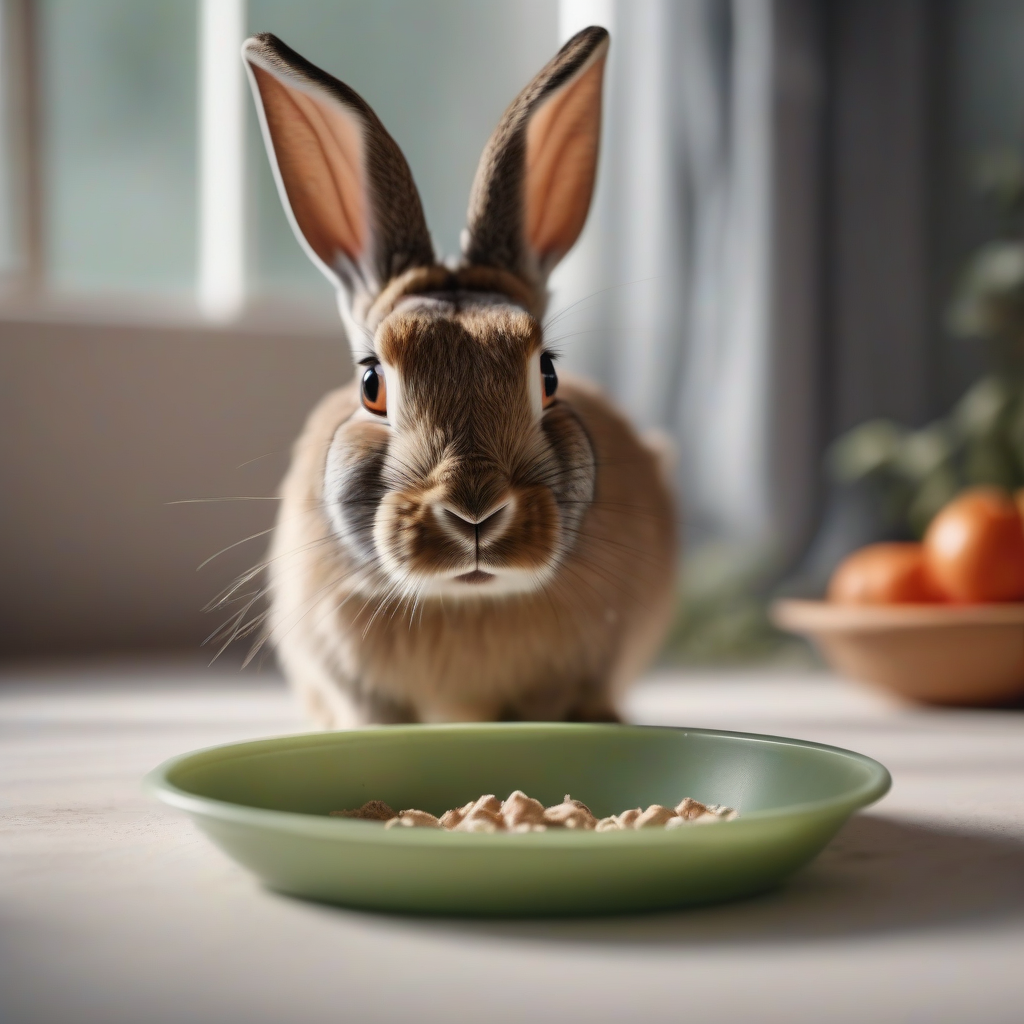
Discover the hidden mold-related dietary traps in your rabbit's food bowl that can disrupt their digestive system. Learn scientific nutrition strategies to protect your rabbit's health in this article.

While cats possess a surprising ability to adapt to high-rise fall traumas, the insidious neurophysiological effects on their brain carry vital risks. In this article, we reveal 5 critical neurobiological effects your cat may experience after a fall and the lifesaving emergency intervention codes with scientific secrets.
In this article, you will discover how your rabbit copes with unexpected situations and its neurocognitive responses to non-routine events. Learn scientific secrets to enhance mental flexibility and manage stress.
In this article, you will find comprehensive information on the insidious neurophysiological effects of seizures in cats' brains and lifesaving emergency intervention codes during a seizure.
Rabbits are known for their sensitive digestive systems, making the contents and cleanliness of their food bowls critically important. However, a frequently overlooked danger is the mold and fungi that can grow in food bowls over time. These microorganisms not only discourage your rabbit from eating but can also lead to severe digestive system crises.
Rabbit digestive systems rely on a delicate balance. Beneficial gut bacteria digest fibrous foods, supporting their health. However, mold and fungi in food bowls can disrupt this sensitive equilibrium. These fungi produce toxins in a rabbit's delicate metabolism, causing gastrointestinal distress, loss of appetite, and even more serious health problems. This risk is amplified in humid environments or with stale food.
Some rabbit foods may contain moisture-retaining ingredients to preserve freshness or enhance flavor. If these foods are stored for extended periods or in a humid environment, they create an ideal breeding ground for mold and fungi within the food bowl. Grain-based or processed pelleted foods are particularly susceptible. Stale or moldy grains can directly impact your rabbit's digestion, leading to gas buildup, bloating, and diarrhea.
Failing to clean food bowls regularly is one of the biggest triggers. Small food particles left behind, moisture, and humidity can cause mold and fungal spores to multiply rapidly on the surface and edges of the food bowl. The risk is even higher for rabbits living in very humid environments. This can lead to your rabbit unknowingly consuming moldy food and facing a severe digestive crisis.
Some rabbit owners may use protein-rich vitamin and mineral supplements in addition to their regular food. If these supplements have been opened and stored for a long time, their moisture content and ingredients can create a favorable environment for mold growth. The use of such supplements requires caution, and attention must be paid to expiration dates. High-protein supplement residues can disrupt gut flora, triggering digestive problems.
While fresh fruits and vegetables are excellent for rabbits, leaving their residues in the food bowl poses a risk. Especially watery fruits and vegetables create moisture in the food bowl, accelerating mold and fungal growth. These residues contribute to a dirty food bowl and the accumulation of low-nutrient, potentially harmful substances. This situation negatively impacts your rabbit's digestive system and is dangerous for their health.
Plastic food bowls can develop scratches and microscopic pores over time. These pores trap food debris and moisture, creating hard-to-clean areas. This provides an ideal environment for mold spores to hide and proliferate. In the long run, maintaining the hygiene of plastic bowls becomes more challenging, jeopardizing your rabbit's digestive health. Such bowls pose a greater risk, especially for sensitive rabbits.
Wash the food bowl daily with warm water and mild soap. Rinse thoroughly and ensure it is completely dry. Prefer ceramic or stainless steel bowls over plastic, as these materials are easier to clean and have fewer pores. This routine significantly prevents mold and fungal growth.
Always use fresh, high-quality rabbit food. After opening the bag, store it in a cool, dry place. Pay attention to the expiration dates indicated on the packaging. Place only the amount of food your rabbit will consume in one meal into the bowl, and remove any leftovers. This reduces the risk of staleness and mold.
While not directly related to this issue, it's crucial to remember that adequate fiber intake is vital for your rabbit's overall digestive health. Sufficient fiber intake regulates bowel movements and makes it difficult for potential pathogens to adhere to the intestines. Our article, Your Rabbit's 'Secret Gut-Brain Axes': 5 Neurological Stress Cycles Triggered by Insufficient Fiber and Scientific Nutrition Secrets!, offers more in-depth information on this topic.
Ensure your rabbit's feeding area is always dry. Damp surfaces increase moisture buildup in the food bowl, promoting mold growth. Articles like Your Rabbit's New Home: Zero Out Stress with the 'Secret Texture' of the Floor! 5 Scientific Design Secrets highlight the importance of overall habitat hygiene.
Supporting your rabbit's natural foraging behaviors not only provides mental stimulation but also leads to more controlled food consumption. As mentioned in our article, Your Rabbit's Secret 'Chewing Meditation': 5 Neurobiological Secrets of Natural Foraging Behavior in Their Brain and Scientific Nutrition Strategies for Stress Relief!, these behaviors generally support your rabbit's health.
Your rabbit's food bowl can pose more risks than it appears. The hidden world of mold and fungi may be invisible to you, but it poses a significant threat to your rabbit's health. By implementing the scientific nutrition strategies outlined above, you can transform the food bowl from a 'mold trap' into a safe area that supports your companion's health and happiness. Remember, a little care can prevent major health problems.
