
Have you adopted a new kitten and know the critical importance of the first 7 days? In this article, we delve into 5 hidden focus points beyond extreme cuteness that you shouldn't overlook for your kitten's quick and smooth adaptation to its new home.


Discover the neurobiological signals of hidden stress your newly adopted cat experiences during adaptation to a new social environment. This article reveals 5 insidious signs of your cat's silent struggle and scientific strategies for peaceful, long-term harmony.

Your dog's anal sacs, located beneath the tail, can be hidden alarm bells often overlooked but profoundly affecting their quality of life. In this article, you will discover the 5 insidious neurobiological effects of anal sac problems on the brain and the lifesaving care secrets you need to know for your furry friend to live a peaceful life.
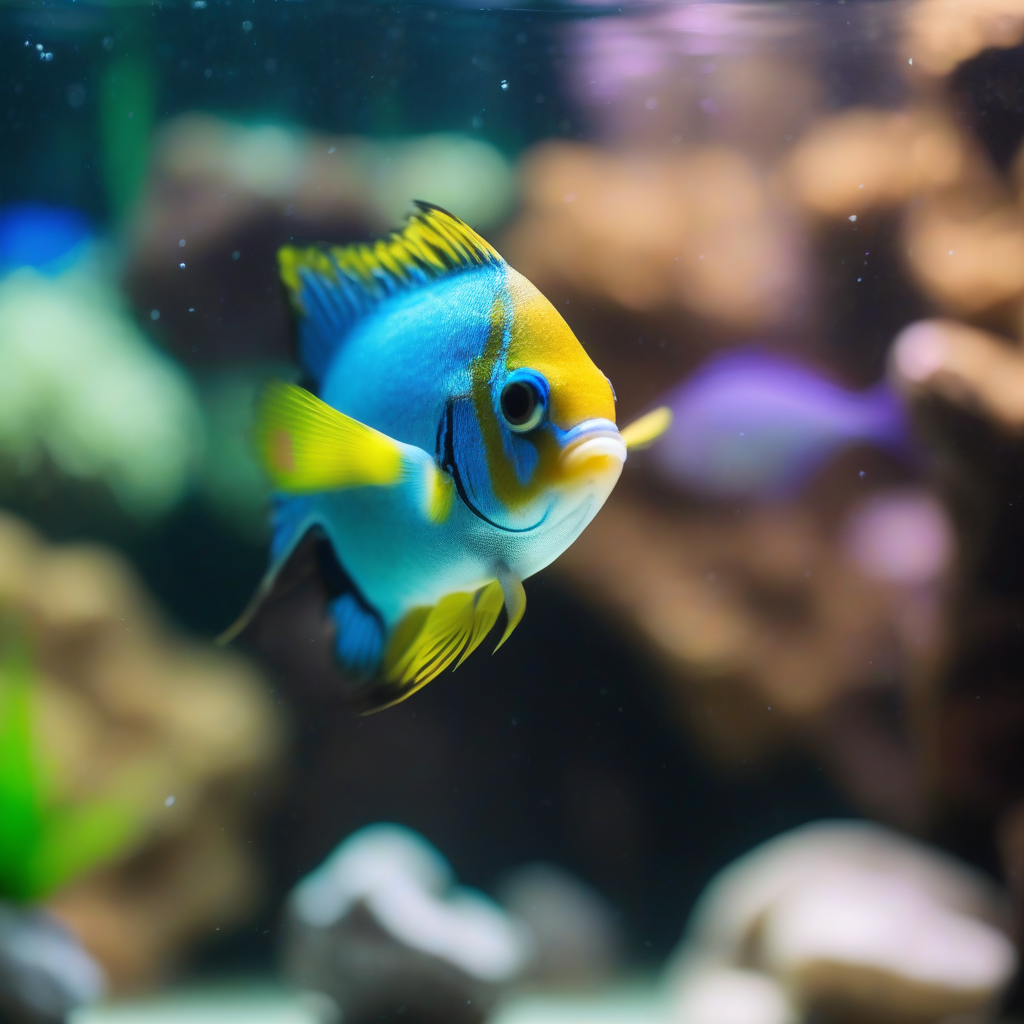
In this article, you will find comprehensive information on the insidious neurotoxic effects of heavy metal poisoning in aquarium fish, its symptoms, and lifesaving emergency intervention codes. This condition, which can arise from household water sources, improper equipment, or neglect, can severely threaten your fish's quality of life and lifespan.
Bringing a new kitten into your home is a source of immense excitement and joy. Tiny paws, soft fur, and curious eyes... However, beyond this adorable beginning, there are critical, often overlooked details you need to pay attention to, to ensure your kitten can adapt to its new environment healthily and happily. The first 7 days, in particular, are a cornerstone for your little friend's future quality of life and the bond you will build.
In this article, we will explore 5 hidden and vitally important aspects that you should focus on, going beyond just their cuteness, to help your kitten settle into its new home in the best possible way.
The moment your kitten steps into its new home can be an overwhelming sensory overload. New smells, sounds, and environments can cause anxiety. Therefore, creating a small, safe, and quiet space for it initially is of vital importance. This 'safe zone' should be a corner with easy access to food, water, a litter box, and a soft bed. Give your cat time to adjust to this area. Instead of forcing it out or immediately introducing it to other household members (human or animal) in the first few days, allow it to explore at its own pace.
Remember, as we mentioned in our article Adopting a New Pet and the Adaptation Process: A Psychological Guide to Nesting in Spring, this adaptation process is a psychological journey, and patience is the most important key.
Once your kitten is comfortable in its safe zone, gradually introduce it to other areas of the house and calm individuals (if any). Keep introductions short and positive. If the cat shows signs of stress, retreat immediately. If you have another pet at home, this introduction process should be even more careful and gradual. For principles on introductions, you can apply the safety guidelines in general guides like Spring Camping and Nature Hikes with Pets: A Comprehensive Guide for Safe and Enjoyable Adventures.
The dietary routine of your kitten in its first week is crucial for its overall health and digestive system development. Obtain information about the type and amount of food it was eating from where you adopted it. Sudden food changes can lead to digestive issues. Therefore, if possible, maintain the previous feeding routine initially and then gradually transition to the new food.
Opt for high-quality foods specifically formulated for kittens. Foods with a high protein content and low grain content are generally better digested. Pay attention to your kitten's age, activity level, and potential allergies. Our updated guides, such as Spring 2026: Innovative Solutions Against Pet Obesity – A Guide to Healthy Weight Management and Active Living, can help you understand these complexities.
It is essential to have clean and fresh water always accessible. Some cats prefer running water, so you might consider using a water fountain. Our article Optimal Hydration for Your Pets: The Secret Energy Source and Key to Organ Health in Spring (2026) highlights the impact of water consumption on general health.
Litter box training in cats is usually instinctive, but kittens adapting to a new environment may require some guidance. The cleanliness, location, and type of litter in the litter box play a decisive role in training. Place the litter box in a quiet and easily accessible location.
Accidents are likely to happen in the first week. Never punish your kitten. Instead, thoroughly clean and deodorize the accident area. If accidents recur, it is advisable to consult your veterinarian. Emergency guides like Silent Killer in Cats: Acute Urinary Blockage and Lifesaving First Aid Guide will inform you about potential health issues.
Redirecting your kitten's energy appropriately is essential for both its happiness and yours. Short and energetic play sessions in the first week are one of the most effective ways to strengthen your bond. Play also helps satisfy its hidden instincts and stimulates it mentally.
Choose small, non-ingestible toys that do not contain harmful chemicals. Various toys, such as feather wands, laser pointers (use with caution), and soft balls, provide both physical and mental activity. Our article Spring 2026: Next-Gen Scent Work and Mental Stimulation for Pets – Bonding and Intelligence Through Nose Games details how important mental stimulation is for cats.
Scheduling a veterinary visit within the first few days after adopting your kitten is crucial for assessing its overall health status and establishing a future health program. During this visit, parasite control, vaccination schedules, and general health check-ups will be performed.
Your veterinarian can diagnose potential health issues in your kitten early on and ensure you take necessary preventive measures. Articles like March 2026: Advanced Palliative Care and Hospice Services for Pets – A Guide to Enhancing Quality of Life and Supporting the Farewell Process emphasize the importance of advanced diagnostic methods, but basic veterinary visits for kitten health are invaluable.
Conclusion:
The first 7 days with your kitten are a unique opportunity to give it a loving and safe start. By paying attention to these hidden focus points, you can build a strong bond with it and lay the foundation for a happy relationship that will last a lifetime. Remember, being patient at every step and being sensitive to its needs is the greatest key to success.
