
In this article, you will find comprehensive information about the causes and health impacts of pet obesity, along with innovative weight management strategies that can be implemented with the opportunities spring offers, as of March 2026. Discover modern approaches, from genetic testing to smart feeding devices, to help your pets achieve their ideal weight and lead an active life.


Discover the neurobiological signals of hidden stress your newly adopted cat experiences during adaptation to a new social environment. This article reveals 5 insidious signs of your cat's silent struggle and scientific strategies for peaceful, long-term harmony.

Your dog's anal sacs, located beneath the tail, can be hidden alarm bells often overlooked but profoundly affecting their quality of life. In this article, you will discover the 5 insidious neurobiological effects of anal sac problems on the brain and the lifesaving care secrets you need to know for your furry friend to live a peaceful life.
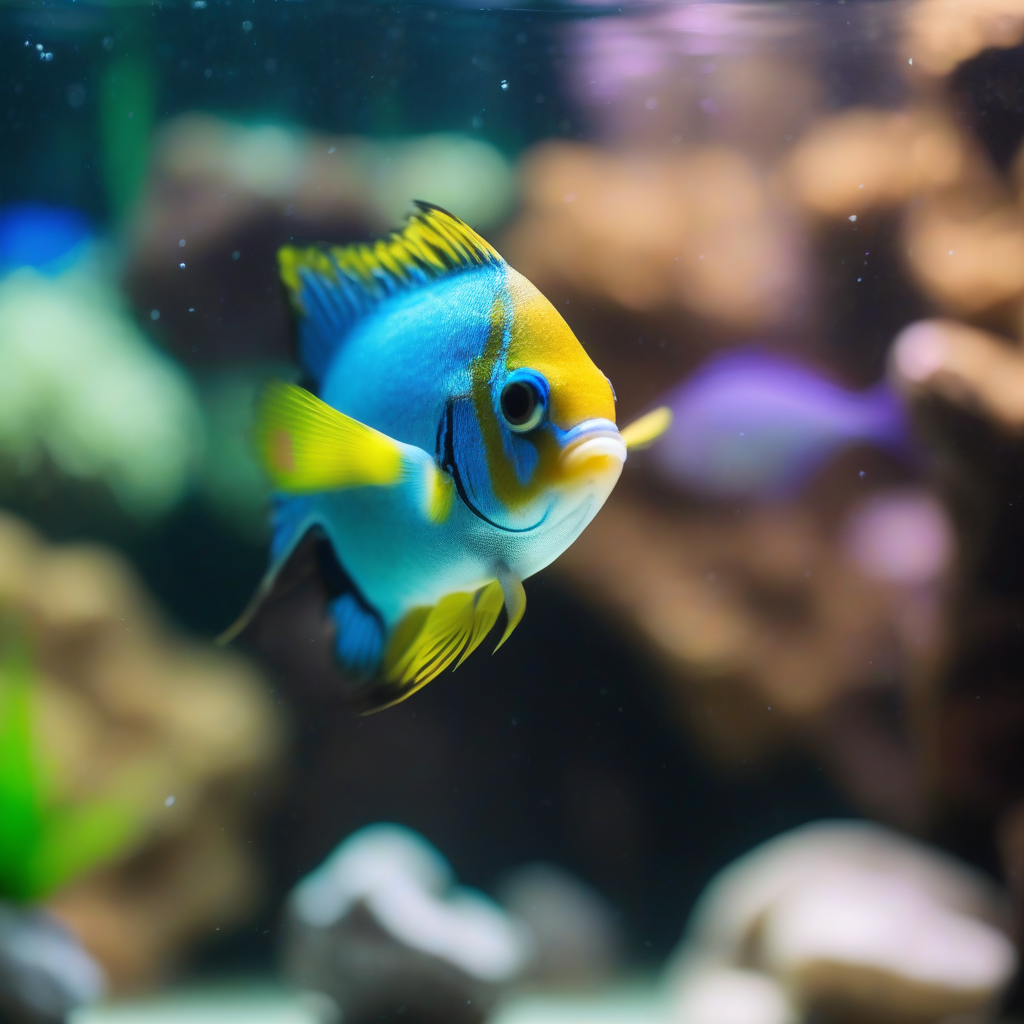
In this article, you will find comprehensive information on the insidious neurotoxic effects of heavy metal poisoning in aquarium fish, its symptoms, and lifesaving emergency intervention codes. This condition, which can arise from household water sources, improper equipment, or neglect, can severely threaten your fish's quality of life and lifespan.
As of March 2026, with the fresh energy of spring, new approaches to improving the health and quality of life for our beloved pets are coming to the forefront. One of the particularly noteworthy health issues during this period is pet obesity. With the changes in modern lifestyles and feeding habits, obesity has unfortunately become an increasing problem among our four-legged friends. However, Spring 2026 opens a wonderful window of opportunity to combat this problem with innovative solutions, helping our pets achieve a healthy weight and lead an active life.
In this guide, we will explore the causes of pet obesity, its impact on health, and the latest, science-based weight management strategies for 2026. Our goal is to help our pets utilize spring's energy most efficiently to reach their ideal weight and live long, happy lives.
Pet obesity is defined as a condition where body weight exceeds the ideal weight by 15-20% or more. This is not merely an aesthetic concern but a chronic disease leading to serious health problems. Veterinarians diagnose obesity by determining an ideal body condition score (BCS) for pets based on factors such as age, breed, gender, and lifestyle.
Excess weight profoundly affects our pets' quality of life and sets the stage for a range of health issues:
Combating pet obesity is no longer limited to simply feeding less. In 2026, thanks to science and technology, much more personalized and effective strategies can be implemented.
Now, our pets' genetic makeup and microbiomes are being used to determine their predisposition to obesity and which types of nutrition they respond best to.
Technology allows us to precisely control food portions and monitor our pet's eating habits:
Spring is an excellent time to spend more time outdoors and increase our pets' physical activity.
In some cases, medical support under veterinary supervision may be necessary for obesity management.
Pet owners play the biggest role in helping their pets achieve a healthy weight.
The pet's weight management process requires the participation of all family members. Regular veterinary check-ups, weight monitoring, and adherence to the feeding plan are key to a successful outcome. Your veterinarian will determine the most appropriate weight loss rate and methods for your beloved pet.
Spring 2026 is an ideal time to turn a new page in the fight against pet obesity. With innovative feeding approaches, technological solutions, and increased opportunities for physical activity, we can help them move towards a fitter, healthier, and happier life. Remember, a healthy weight is not just an aesthetic concern but the foundation for a long and quality life. This spring, step into a healthy future with your pet!
