
In this article, you will discover the scientific reasons behind hamsters' common selective eating habits and 5 innovative strategies to prevent the nutritional deficiencies caused by this behavior. Learn how to optimize your hamster's diet to maximize their health and well-being.


Discover the neurobiological signals of hidden stress your newly adopted cat experiences during adaptation to a new social environment. This article reveals 5 insidious signs of your cat's silent struggle and scientific strategies for peaceful, long-term harmony.

Your dog's anal sacs, located beneath the tail, can be hidden alarm bells often overlooked but profoundly affecting their quality of life. In this article, you will discover the 5 insidious neurobiological effects of anal sac problems on the brain and the lifesaving care secrets you need to know for your furry friend to live a peaceful life.
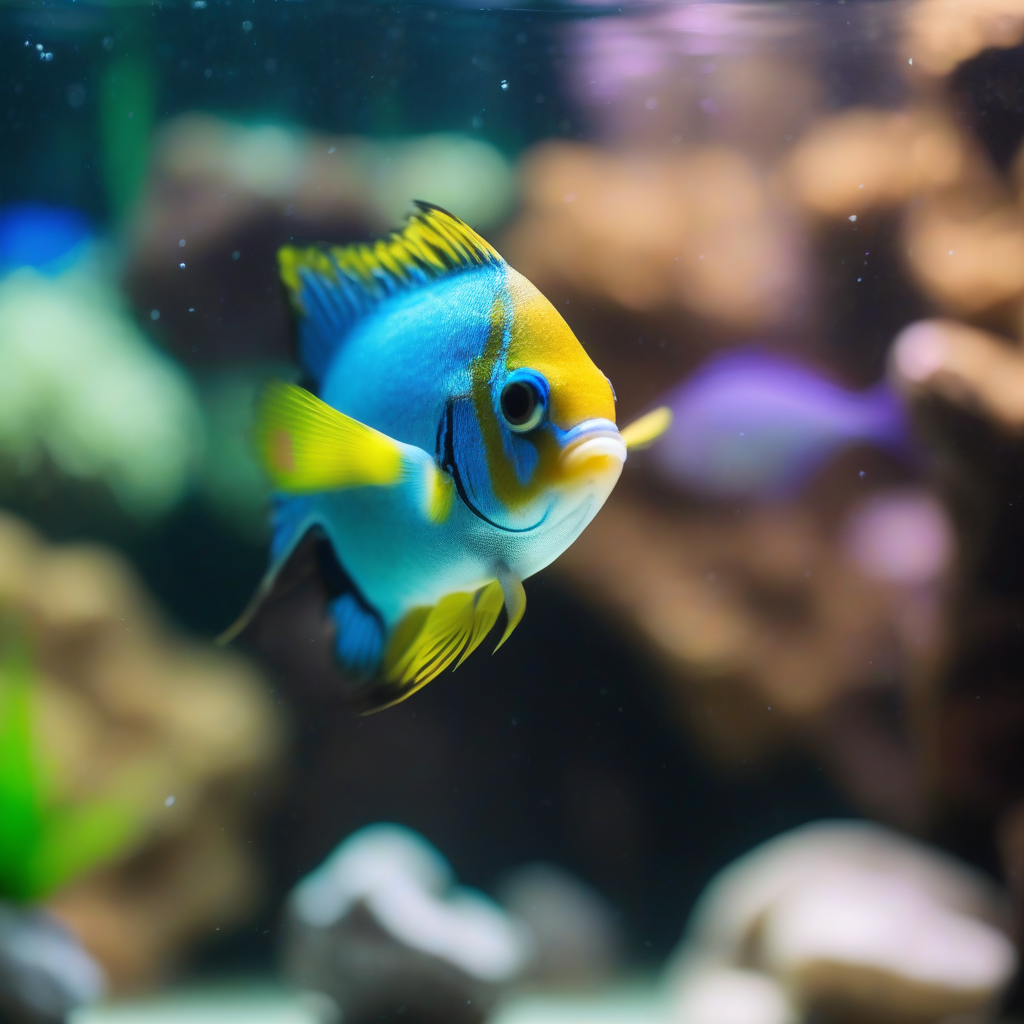
In this article, you will find comprehensive information on the insidious neurotoxic effects of heavy metal poisoning in aquarium fish, its symptoms, and lifesaving emergency intervention codes. This condition, which can arise from household water sources, improper equipment, or neglect, can severely threaten your fish's quality of life and lifespan.
Behind their adorable appearance, our tiny friends, hamsters, can have surprisingly complex eating habits. A common concern for many hamster owners is that their pets will only pick out certain seeds or particles from the feed mix, leaving the rest untouched. While this might seem like an innocent preference at first glance, it can actually be a 'sneaky diet saboteur' that profoundly impacts your hamster's health. So, why do hamsters act so selectively, what are the long-term risks of this habit, and most importantly, how can we scientifically correct this behavior?
In this article, we will delve into the neurobiological foundations of selective eating in hamsters, the hidden nutritional deficiencies that can arise from it, and 5 groundbreaking strategies to reshape your tiny friend's eating habits for optimal health.
Hamsters' selective eating habits have deep neurobiological roots stemming from their evolutionary history. In the wild, food sources are limited and unpredictable, leading hamsters to preferentially select energy-dense, fatty, and carbohydrate-rich seeds and foods. This instinct, combined with their drive to maximize energy intake quickly and store food in their cheek pouches, increased their chances of survival.
Commercial seed mixes offered in domestic environments often contain high-fat and palatable ingredients like sunflower seeds and peanuts. Hamsters prefer these foods, which activate their brain's reward system, over other less attractive but nutritionally richer options (e.g., fibrous pellets or low-fat grains). This can lead to a cycle of 'food addiction,' much like humans preferring junk food. This selective behavior, in the long run, invites an unbalanced diet and serious health problems.
Selective eating causes your hamster to miss out on essential nutrients their body needs. Some of the most common consequences include:
These deficiencies may initially manifest with 'invisible' symptoms that are hard to notice but can eventually lead to chronic diseases and a serious decline in quality of life.
To scientifically improve your hamster's eating habits and ensure they live a healthy life, you can implement the following strategies:
Instead of commercial seed mixes, opt for high-quality, pelletized food specifically formulated for hamsters, containing all essential nutrients in a single pellet. These pellets ensure that your hamster receives a balanced diet with every bite, eliminating the problem of selective eating. Research indicates that hamsters fed a pellet-based diet tend to live longer and healthier lives. There are various brands on the market; consult your veterinarian to choose the most suitable one.
Acclimating your hamster to a new diet requires patience and strategy. Instead of completely abandoning the old seed mix, implement a gradual transition. Initially, mix small amounts of pellets with their current food. Allow your hamster a few days to get used to the pellets, then gradually increase the proportion of pellets. Since hamsters tend to hoard their food, you can encourage this behavior by placing the new food directly in their food bowl. Once fully transitioned to pellets, create a 'hunger psychology' by offering only a specific amount per day. This encourages your hamster to consume all the offered food more willingly.
Feeding is not just about the food offered in a bowl; it's also an activity. To encourage your hamster's natural foraging instincts, hide food in different parts of their cage, or use toy feeders and food balls. This provides mental stimulation and positively changes your hamster's relationship with food. The effort required to find food can reduce their pickiness and make them value all nutrients more.
In addition to a pellet diet, you can enrich your hamster's diet by offering small amounts of fresh and safe vegetables/fruits a few times a week. Foods like carrots, broccoli, cucumber, and apples are rich in fiber and vitamins. However, portion control is crucial; excessive amounts can lead to digestive issues like diarrhea. Consult your veterinarian about which fresh foods are safe and how to offer them. For the positive effects of fiber on overall digestive health, our article Your Hamster's 'Super Nutrient Shield': Hidden Fiber Sources Supporting Digestion and Defense Against Diseases! will guide you.
Regular veterinary check-ups are essential for monitoring any changes in your hamster's diet or potential signs of nutrient deficiencies. Your veterinarian can assess your hamster's overall health and provide personalized advice to optimize their diet. Specifically, they can determine if there's an underlying medical reason for selective eating behavior and prevent potential health problems through early intervention.
Being proactive about your hamster's selective eating habits will ensure they live a longer, happier, and healthier life. By optimizing their diet with scientific approaches, you can overcome these 'sneaky diet saboteurs' and unleash your tiny friend's true potential.
