
In this article, you will discover how fish perceive their owners, the neurocognitive foundations of forming a familiar 'face', and scientific secrets to building a deep, meaningful bond with aquarium fish.

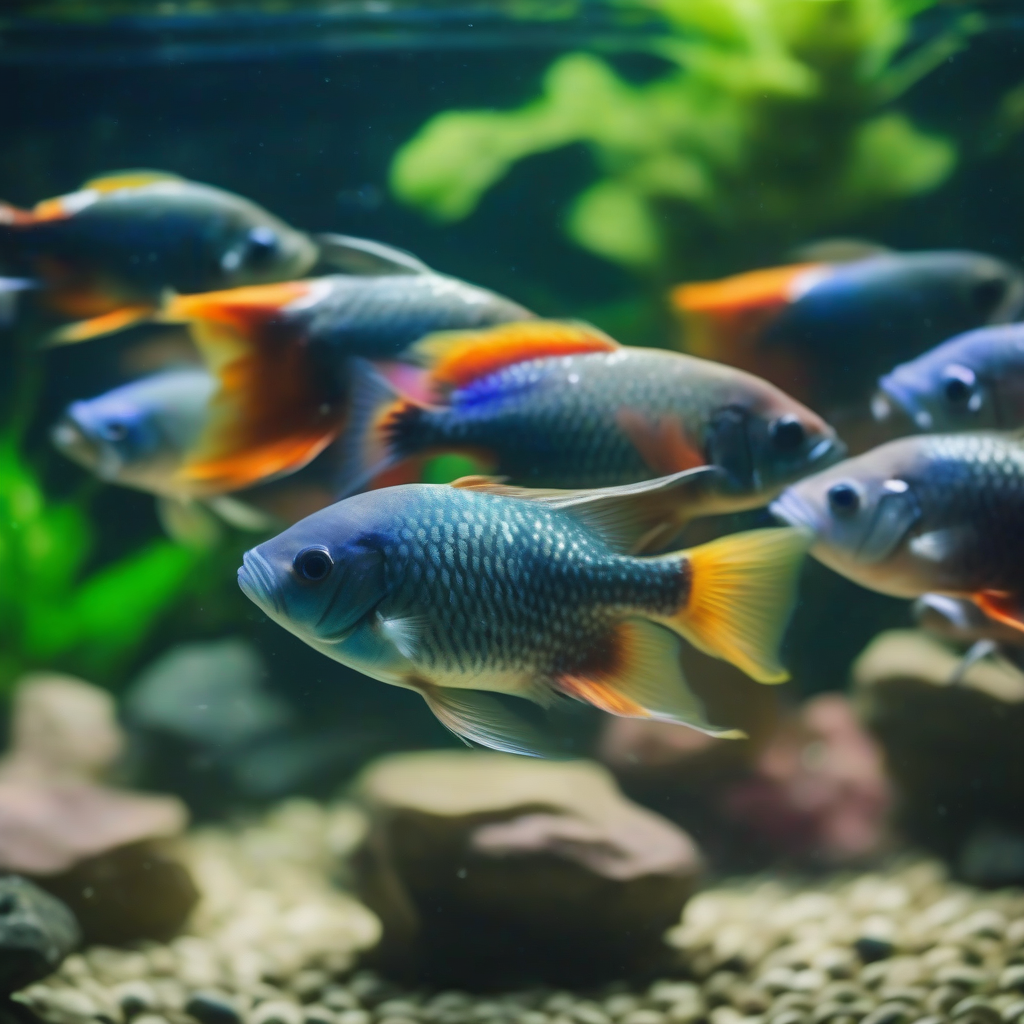
In this article, you will discover the surprising capacity of fish to develop emotional resonance towards their stressed tank mates and learn scientific training tactics to encourage these 'helping' behaviors. Delve into the depths of fish social intelligence to uncover neurocognitive secrets for creating a more peaceful and cooperative environment in your aquarium.

In this article, you will find comprehensive information on the neurobiological changes occurring in your dog's brain during separation anxiety and scientifically proven strategies to manage this condition. Delve deep into your dog's fear of being alone to discover the secrets to providing a more peaceful life and happier reunions for them.

In this article, you will find comprehensive information about the importance of proper litter box choice and hygiene in rabbits, delving into the stress and neurobiological impacts of improper practices on their brain, and discovering scientific secrets for a peaceful life.
As of July 2026, the aquarium hobby has evolved from a mere aesthetic pleasure to an emotional and cognitive dimension of pet ownership. Although fish are often perceived as cold and unresponsive, scientific research reveals that they possess far more complex social and cognitive abilities than we previously thought. Specifically, the capacity of fish to recognize their owners and form a type of bond is being elucidated through studies on 'familiar face' perception. So, how can we foster a deeper relationship with these silent underwater inhabitants? Here are the neurocognitive secrets to fish bonding with their owners and scientific methods to build a more meaningful companionship in the aquarium.
The visual world and perception abilities of fish, though different from those of mammals, are highly sophisticated. Research has shown that some fish species can distinguish individuals, even human faces. This implies not just general shape recognition but also the ability to pay attention to subtle details and store this information in memory.
In fish brains, particularly in the telencephalon region, there are structures responsible for processing visual information and storing it in memory. These structures play a critical role in learning and remembering specific patterns, colors, and movements. The owner's regular appearance in front of the aquarium, wearing particular clothing, or performing specific movements can create a 'visual signature' for the fish. This is closely related to the cognitive processes detailed in the article Fish Visual Learning Matrix: 5 Neurocognitive Secrets in Shape and Color Recognition Training and Methods to Enhance Aquarium Intelligence!. Repetitive and consistent visual stimuli reinforce the recognition process by forming a specific neural network in the fish's brain for its owner.
Not only do fish possess visual recognition, but they also have the ability to individually distinguish other fish within the aquarium and environmental factors. As noted in the article Your Fish's 'Social Personality Inventory': 5 Neurobiological Types Triggering Harmony and Conflict in the Aquarium and Grouping Secrets!, each fish has its unique character and social standing. Brain activity patterns differ when a fish encounters a new object versus a familiar threat. Perceiving its owner as a 'safe' and 'food-providing' resource triggers positive neurochemical responses, forming the basis of a bond.
Building a deep relationship with fish involves understanding their cognitive world and implementing correct interaction strategies.
Consistency is key. Approaching the aquarium at the same time each day, calmly and predictably, establishes a safe routine for your fish. When feeding times are associated with the owner's appearance, a positive conditioning to this visual stimulus develops. Reward mechanisms in the brain are activated, and the fish associates its owner with 'good things'.
Fish perceive sounds and react to vibrations in the aquatic environment. Talking to them, gently tapping on the aquarium as you approach, or playing a specific melody can create an 'auditory signature' in addition to visual cues. These multi-sensory stimuli reinforce the owner's presence more strongly. Insights from Your Fish's 'Visual Noise' Resistance Training: 5 Neurocognitive Secrets to Scientifically Reset Distractions in the Aquarium! can provide ideas on how to use these cues more effectively.
An environment where the fish feels safe is fundamental for it to be open to new relationships. Sufficient hiding spots, appropriate water quality, and a stable aquarium ecosystem minimize stress. A low-stress fish is more inclined to interact with its surroundings and show more positive responses towards its owner. Your Fish's 'Invisible Quarantine Stress': 5 Insidious Neurobiological Threats in Adapting to a New Environment and Aquarium Inhabitants! addresses important considerations at this point.
Feeding moments are one of the most potent opportunities for fish to recognize and bond with their owner. Feeding at a specific time and with a particular method helps the fish associate the owner with food. Some fish may even progress to eating from your hand over time, a tangible demonstration of the trust bond between you. These rituals enhance dopamine release in the fish's brain, allowing it to associate its owner with positive experiences.
The social interactions among fish can also influence their behavior towards their owner. A peaceful aquarium community helps individual fish be less stressed and thus more open to human interaction. The Silent World of Fish in Aquariums: The Hidden Dance of Social Intelligence and Neurobiological Secrets of Harmony emphasizes the importance of understanding these dynamics. In an environment with aggressive or dominant fish, others may become withdrawn and unresponsive to their owner.
Building a lasting and meaningful bond with your fish requires patience and observation.
Each fish is an individual. Observe what your fish reacts to, which visual or auditory stimuli it prefers. Some may be more responsive to bright colors, while others prefer calm movements. Understanding their individual behaviors allows you to personalize your interaction strategies.
Avoid sudden movements. Approach the aquarium slowly, gently put your hands in the water (if safe and appropriate). Hasty actions can trigger fear responses in fish and slow down the bonding process. Patience is the most crucial factor in ensuring your fish trusts you.
Enriching the aquarium environment improves your fish's mental health and reduces stress. Providing different hiding places, plants, and swimming areas satisfies the fish's urge to explore. Mentally more active and healthier fish tend to be more positive and interactive towards their owner. This also enhances the overall welfare of the fish.
In conclusion, it's essential to understand that the relationship between you and your fish is not merely limited to animals in a tank. Exploring their complex cognitive worlds and interacting based on this knowledge can create a deep and satisfying bond that enhances the quality of life for both you and your fish. Remember, every interaction is a learning opportunity, and with patience, your fish may offer more than you expect.
